Description
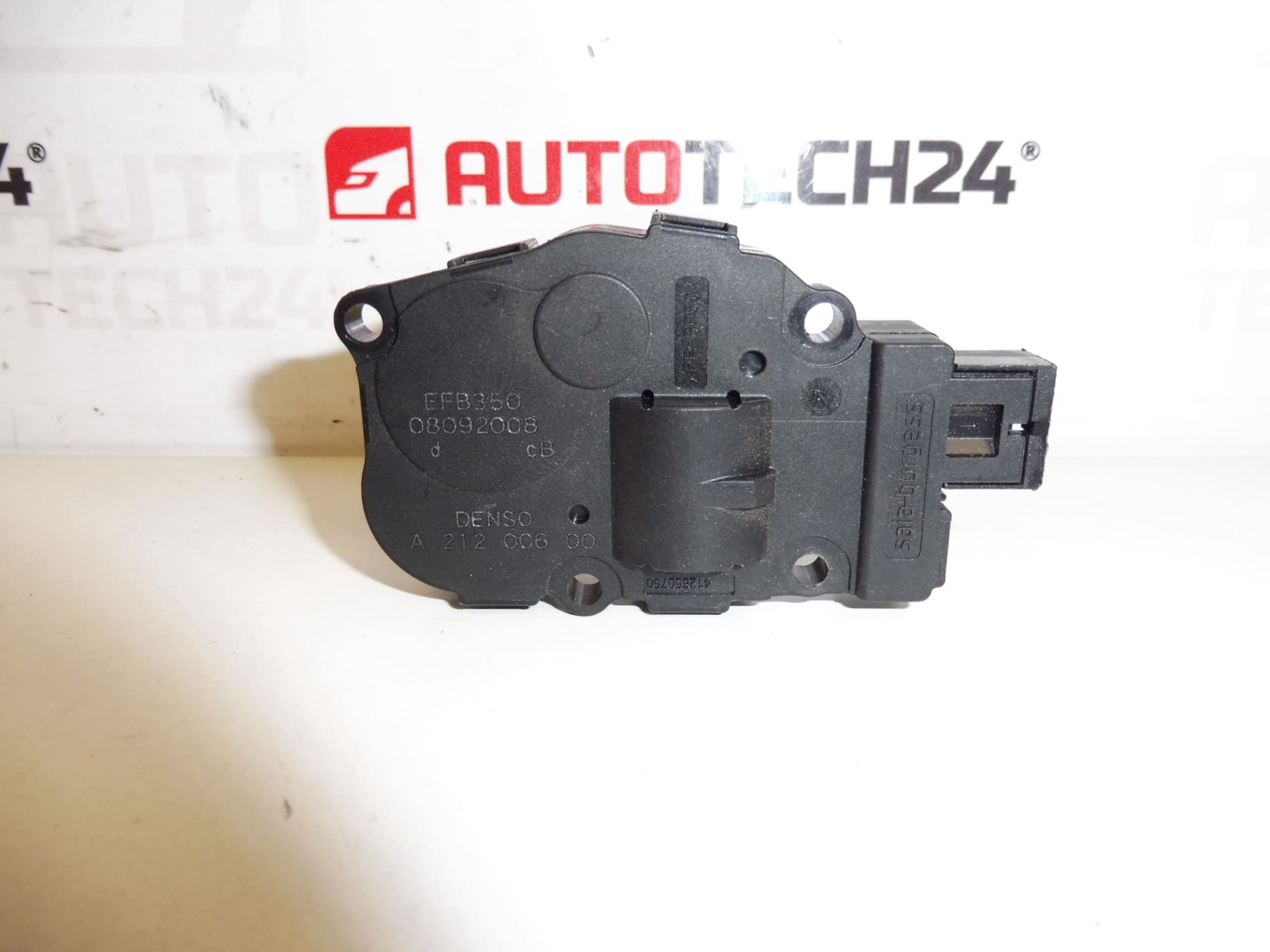
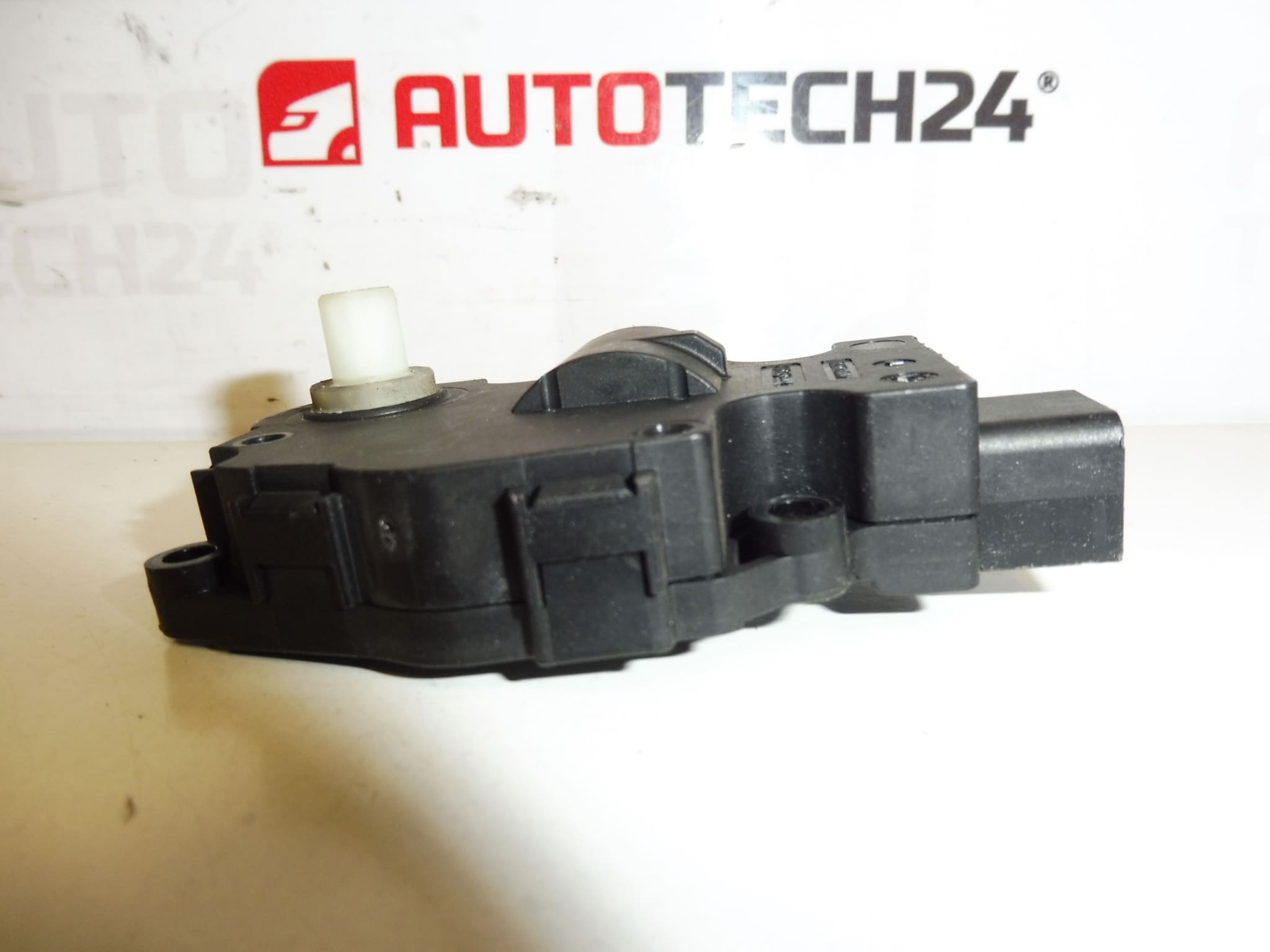
Heater servo motor for CITROËN C4 PICASSO, Citroën BERLINGO and second‑generation Peugeot Partner. Climate control gear motor.
Overview
This Denso heater servo motor (gear motor) is a direct-fit HVAC actuator designed for selected Citroën and Peugeot models. It drives the internal flaps in the climate box to control airflow distribution and temperature mixing, restoring precise cabin temperature control and eliminating flap noise or incorrect airflow direction. The part is commonly referenced by several product codes, so customers often search by number to find the correct replacement quickly.
Key Benefits
- Direct replacement for original-style HVAC actuators used on compatible Citroën/Peugeot models.
- Replaces faulty blend/vent/flap actuators to remove clicking noises and restore accurate temperature regulation.
- Improves workshop efficiency — typically installed with basic dashboard access and standard hand tools.
How It Works
The servo motor contains a small electric motor and a geartrain that moves flaps inside the heater/air conditioning unit. Depending on the requested temperature or vent position, the actuator rotates to position the blend door or recirculation/vent flap. Modern systems may include position feedback; if the actuator fails, the system can lose calibration, produce noise, or stop moving the flaps altogether.
How To Replace
Replacement is straightforward for an experienced mechanic or competent DIYer familiar with dashboard removal procedures. General steps:
- Disconnect the negative battery terminal before starting work to avoid electrical shorts.
- Remove necessary trim panels or the glovebox to access the HVAC housing—procedures vary by model.
- Unplug the actuator electrical connector and remove the fixing screws or clips securing the unit.
- Fit the new actuator in the correct orientation, secure fasteners, reconnect the connector and reassemble trim panels.
- Power up the vehicle and allow the HVAC system to perform any self-calibration cycles; if required, follow the vehicle’s calibration procedure outlined in the service manual.
Installation Recommendations
- Follow Manufacturer Service Procedures: Use the vehicle’s workshop manual for disassembly order and torque specifications where applicable.
- Observe Connector Condition: Inspect wiring harness and plug for corrosion or damaged terminals and repair if necessary before fitting the new actuator.
- Test Before Reassembly: With the actuator connected, cycle HVAC modes to verify correct flap movement before refitting trim panels.
- Use Appropriate Tools: Basic hand tools plus common trim tools; some models may require Torx or small socket sets.
Most Common Failure Causes
- Worn Or Stripped Plastic Gears: Repeated movement and age can strip internal gears, causing clicking noises and loss of movement.
- Motor Wear Or Electrical Faults: Over time the small DC motor or brushes can fail, or internal connections can degrade.
- Water Ingress And Corrosion: Moisture reaching the actuator can corrode contacts or damage the geartrain.
- Mechanical Obstruction Or Misalignment: Broken flap linkages or foreign debris in the HVAC box can overload and damage the actuator.
Technical Information
- Manufacturer: Denso / Stellantis
- Model: Citroën C4 Picasso; Citroën Berlingo; Peugeot Partner (Second Generation)
- Product Codes: A 21200680; A 21200600; EFB350; 6447XA
- Additional Numbers: 21200600; 21200680; 6447XA
Notes For Workshop Professionals
When replacing HVAC actuators in fleet or customer vehicles, inspect associated ducts, seals and linkage for signs of wear or damage. Correcting secondary faults at the same time prevents repeat failures and reduces return visits. Keep replacement part numbers to hand — many technicians locate this actuator by OE or supplier code during parts ordering.
Final Advice
Choosing a quality replacement actuator and performing careful diagnostics before replacement reduces unnecessary parts changes. If the fault includes intermittent operation, noisy movement or no movement, check fuses, wiring and the actuator connector before removing the HVAC cover. Proper installation and verification will restore quiet, accurate climate control function.