Description
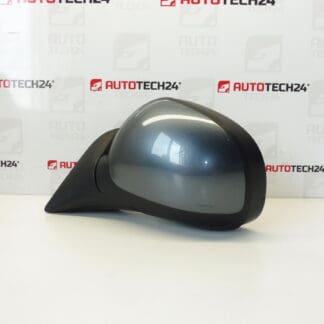
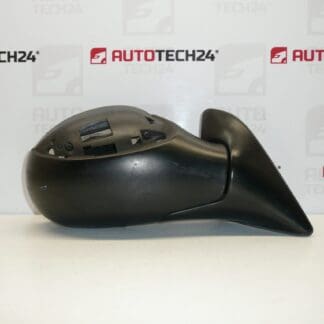
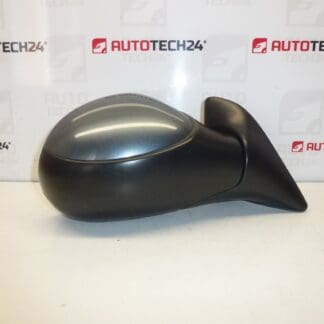
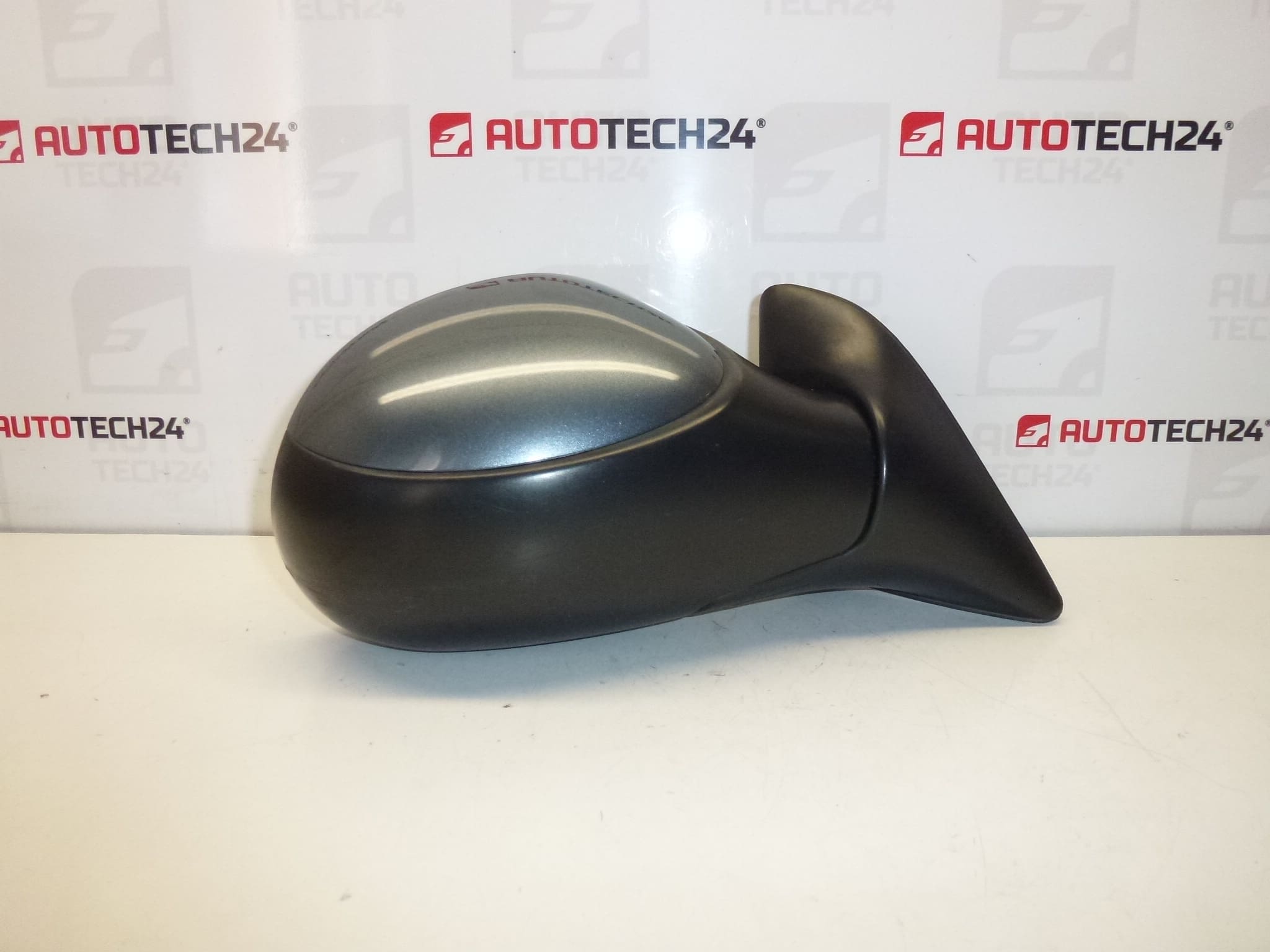
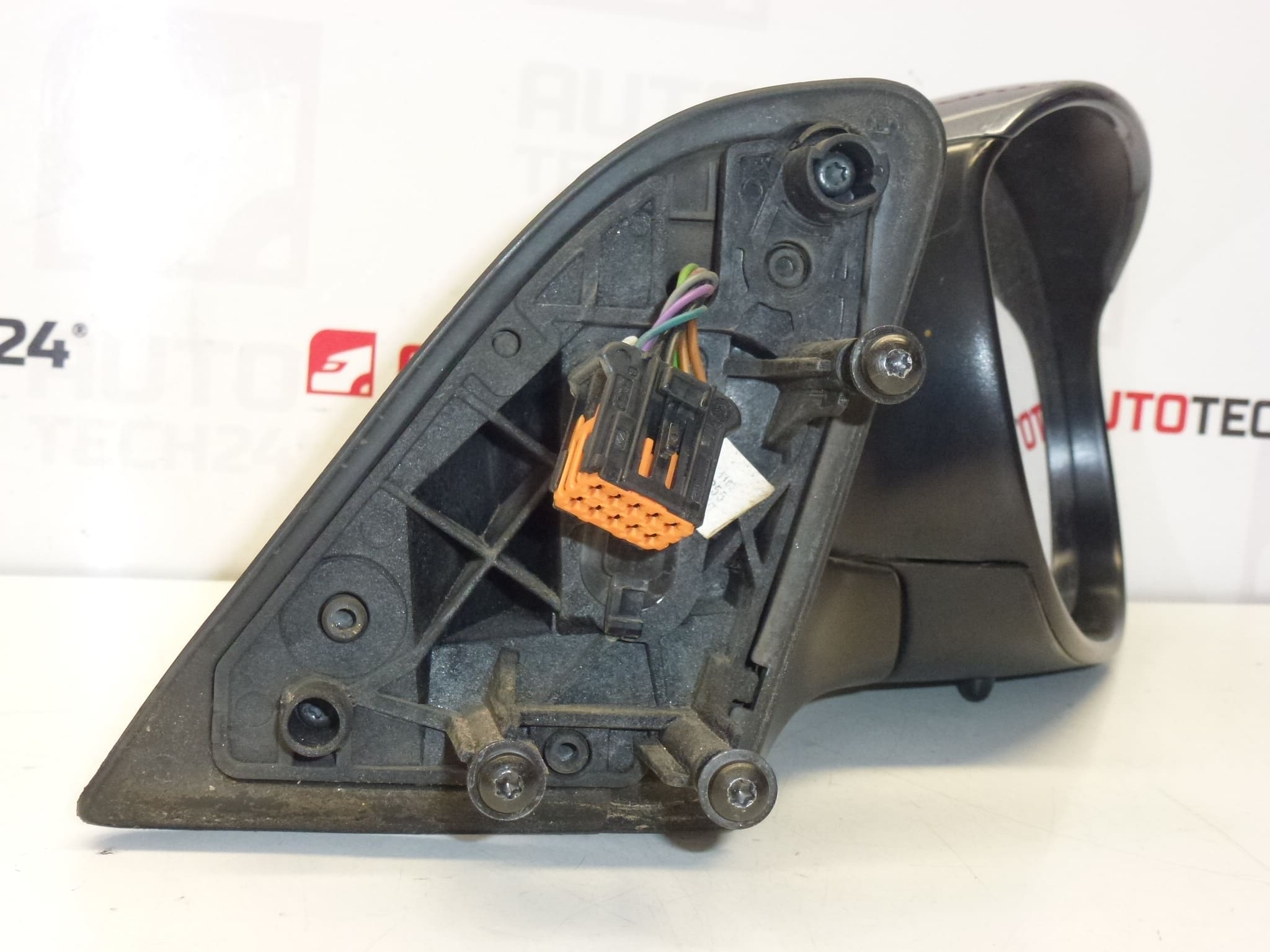
Right rear-view mirror for CITROËN Xsara Picasso vehicles
Electrically adjustable and folding
Slightly scratched black part
Color EZW – Paint Gray FER
Passenger Side, 9 Wires
We have various colors in stock
High-quality replacement right (passenger side) exterior mirror for Citroën Xsara Picasso, designed for mechanics and DIY car owners who search by product number (96570980XT, 815355). This electrically adjustable and electrically folding mirror restores full convenience and safety: precise remote adjustment, power folding for tight parking spaces, and an OEM-style fit for straightforward installation. The mirror housing shows minor scratches on the black section but the electrical functions and connector type correspond to original specifications. Ideal when replacing a damaged or non-working mirror motor or folding mechanism.
Technical Information
- Manufacturer: Stellantis (Citroën/Peugeot)
- Model: Citroën Xsara Picasso
- Product Codes: 96570980XT, 815355
- Additional Numbers: 815355, 96570980XT
- Side: Passenger (Right)
- Wiring: 9 Wires (9-Pin Connector)
- Functions: Electric Adjustment, Electric Folding
- Color: EZW – Paint Gray (LAK ŠEDÝ FER)
Installation Recommendations
Typical replacement procedure for a skilled mechanic or competent DIYer:
- Carefully remove the interior door trim to access the mirror mounting area—use appropriate trim tools to avoid damage.
- Disconnect the mirror electrical connector and remove the fastening bolts or nuts securing the mirror to the door.
- Remove the old mirror assembly and transfer any required parts (e.g., mirror glass, indicators) if applicable.
- Fit the replacement mirror, secure fasteners to the manufacturer’s torque values, reconnect the electrical connector, and refit the door trim.
- Test all functions: adjustment, folding, and any heating or indicators if present.
Tip: Work methodically, keep fasteners organized, and protect painted surfaces. If unsure about interior trim removal, consult a repair manual or service instructions for the Xsara Picasso.
Common Failure Causes
- Impact Damage: Most frequent—accidents, parking knocks, or door strikes crack housings or break the folding mechanism.
- Motor/Actuator Wear: Repeated use over years can cause the electric motor or gearing to fail intermittently or stop.
- Water Ingress and Corrosion: Moisture reaching the connector or motor can corrode contacts and cause electrical faults.
- Wiring Damage: Pinched or damaged wiring in the door harness or connector leads to loss of function.
- Mechanical Jamming: Debris or broken plastic components can prevent proper folding or adjustment.
Why Search By Product Number
Mechanics and DIYers frequently look up mirrors by OEM codes 96570980XT and 815355 to ensure correct fitment and to speed up sourcing. Including these numbers in your search increases the chance of finding a direct-fit replacement very quickly.
Warranty & Condition Note
The mirror is offered as described—electrically adjustable and folding, with a slightly scratched black section. Verify visual condition from product images where available. Functionality corresponds to the listed specifications.