Description
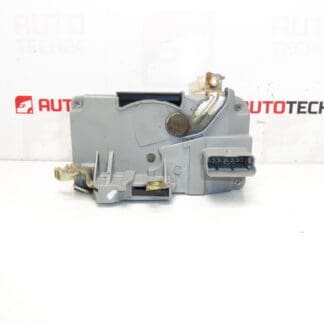
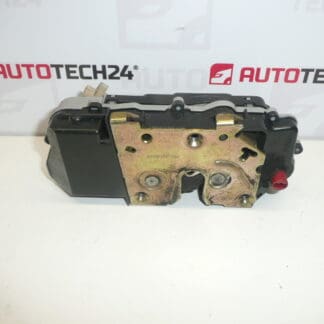
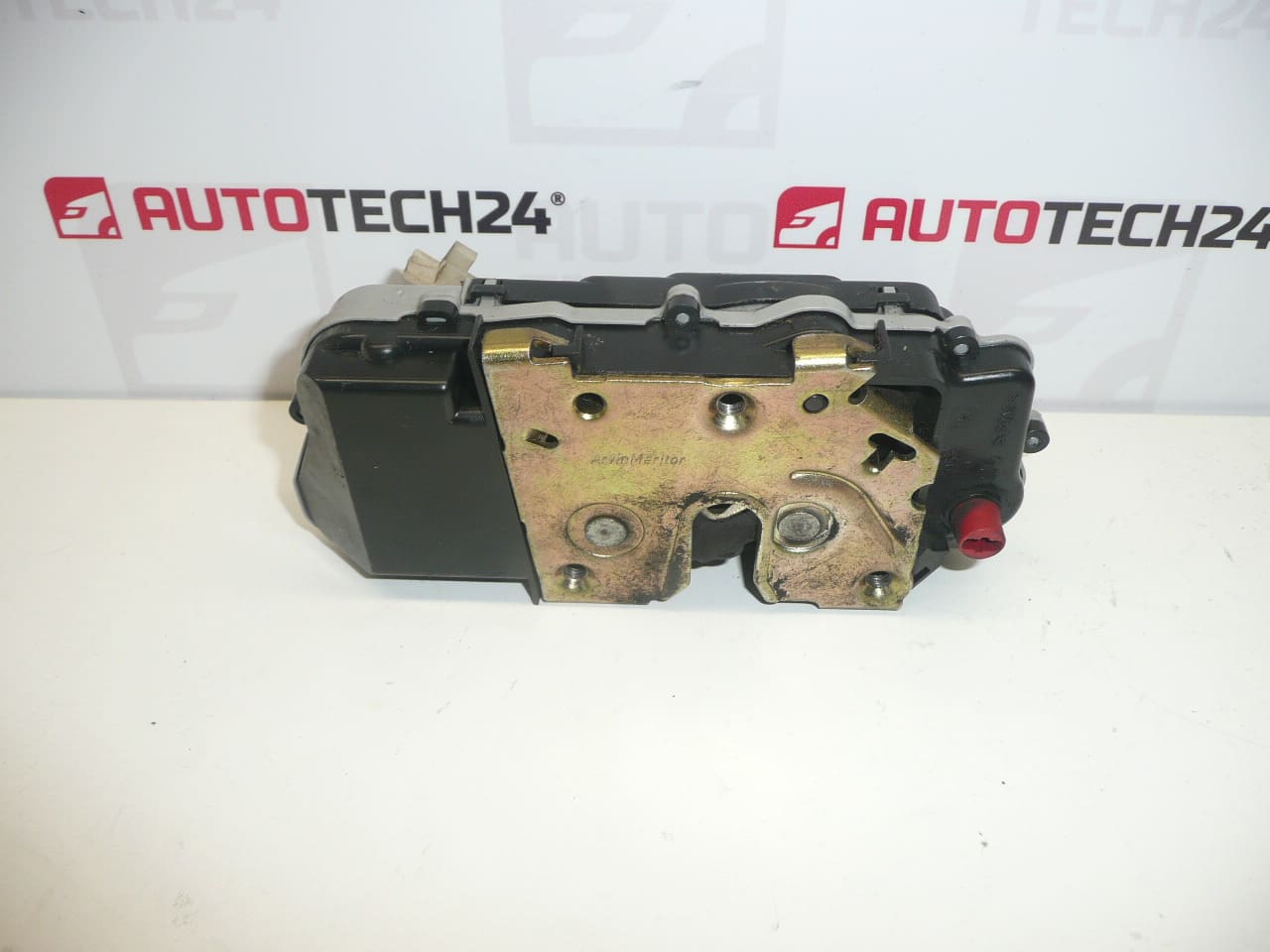
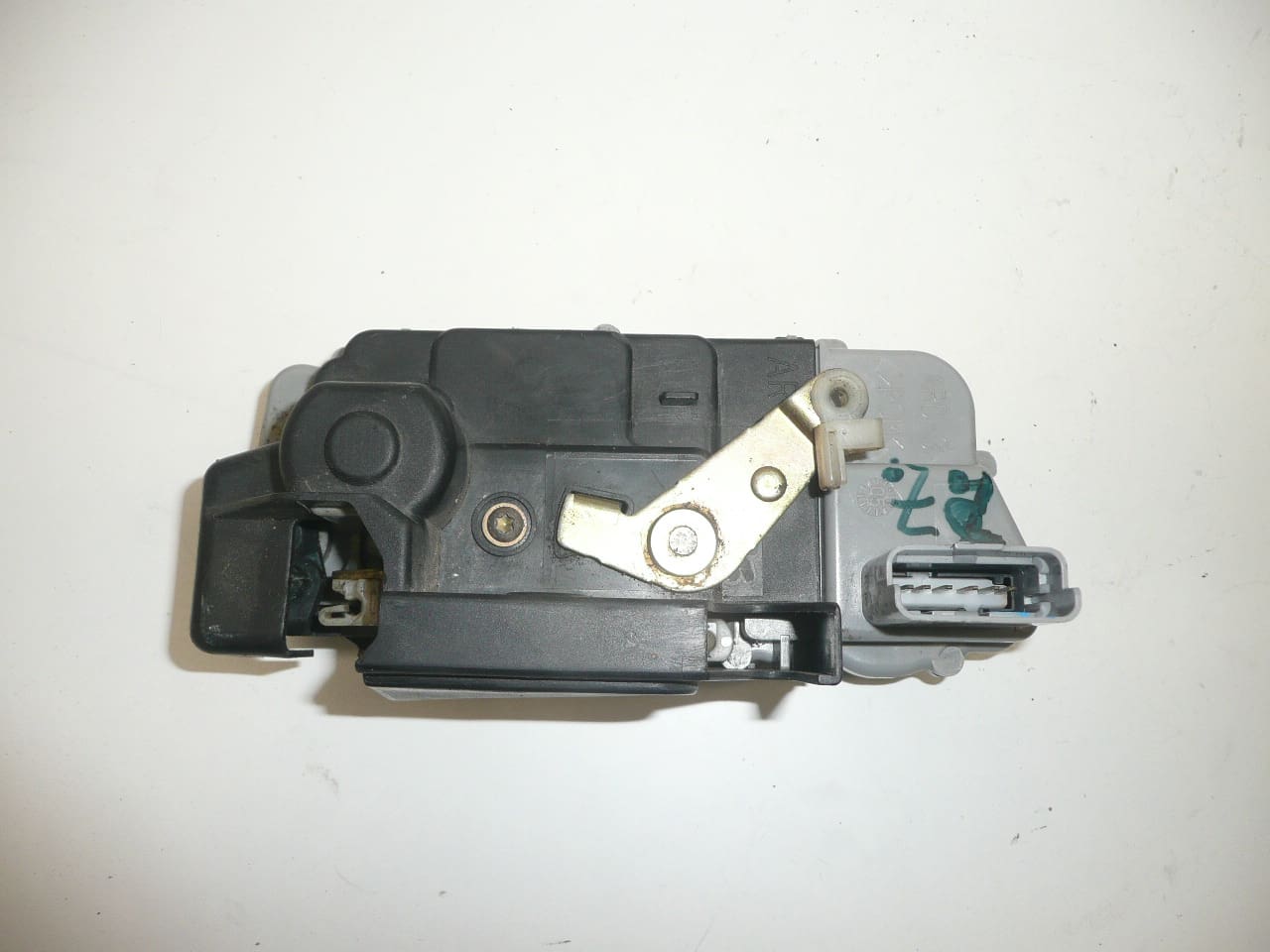
Electric central locking actuator for the right rear door for Citroën C5 I and II
Citroën C5 3/2001-9/2004 and Citroën C5 10/2004-1/2008
Used part with functional warranty
Product Description
This right rear door electric lock actuator is a direct-fit part for Citroën C5 models of the first and second generations. Designed to operate the central locking mechanism, the actuator converts electrical signals from the central locking system into the mechanical action that locks and unlocks the door. The unit is supplied used with a guarantee of functionality, making it a cost-effective solution for repair shops and DIY enthusiasts who need a reliable replacement for a failed lock actuator.
Fitment And Compatibility
Intended For: Citroën C5 I (from 3/2001 to 9/2004) and Citroën C5 II (from 10/2004 to 1/2008). This actuator fits the right rear door position and is compatible with the original central locking system of these model years. Searchable By Product Code: 9138A2, which is commonly used in spare-part lookups.
Technical information
- Manufacturer: Stellantis / Citroën / Peugeot
- Model: Citroën C5 I and II (3/2001-9/2004; 10/2004-1/2008)
- Product Codes: 9138A2
- Additional Numbers: NFP
Function And Symptoms Of Failure
The actuator contains a small electric motor and gearbox that drive the lock latch. Common symptoms indicating actuator failure include:
- Door Does Not Lock Or Unlock With Central Locking Commands
- Intermittent Operation Or Slow Movement Of The Lock
- Noise Inside Door Panel When Lock Command Is Given
- Mechanical Sticking Or Failure To Engage Latch
Replacement Procedure (Overview)
The following steps outline a typical replacement process for the right rear door actuator. Procedures may vary slightly by trim and options; follow vehicle manufacturer instructions if available.
- Disconnect Battery: Always disconnect the negative battery terminal before working on door electrics to avoid short circuits and prevent accidental airbag deployment.
- Remove Door Trim: Carefully detach door card and retainers. Remove any screws and clips, then lift the panel off the door frame.
- Peel Back Water Shield: Gently peel back the vapor barrier to access the interior of the door. Take care not to damage it to maintain watertightness.
- Disconnect Electrical Connector: Unplug the actuator wiring harness and any related connectors.
- Unlink Mechanical Rods: Detach the lock rods or linkages from the actuator and latch assembly.
- Unbolt Actuator: Remove the fasteners holding the actuator or latch assembly and withdraw the unit from the door.
- Install Replacement: Fit the new actuator, reconnect linkages and wiring, reattach the water shield and door trim, then reconnect the battery and test operation.
Recommended Installation
For best results, use appropriate trim tools to avoid breaking clips. Check connector pins for corrosion and lubricate linkages with light grease. After fitting, cycle the lock several times and verify central locking operation from both the remote and interior switch. If the door contains additional electrical systems (window regulator, speaker, airbags), exercise caution when removing and refitting the door card. Disconnecting the battery is mandatory before starting work.
Why This Part Fails Most Often
Typical causes of actuator failure on these models include:
- Water Ingress And Corrosion: Moisture entering the door can corrode contacts or gear components.
- Worn Plastic Gears Or Motor Wear: Repeated use leads to gear stripping or motor degradation over time.
- Mechanical Overload Or Jamming: Misaligned latches or damaged linkages can overload the actuator.
- Electrical Issues: Connector corrosion, broken wires, or poor grounding can lead to intermittent or complete failure.
Notes For Workshops And DIYers
This part is suitable for professional garages and competent DIY mechanics. Keep in mind that while the actuator is provided used, it is supplied with a functional warranty. Always follow safe working practices and use correct tools when carrying out the replacement.