Description
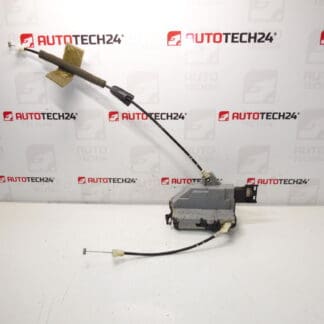
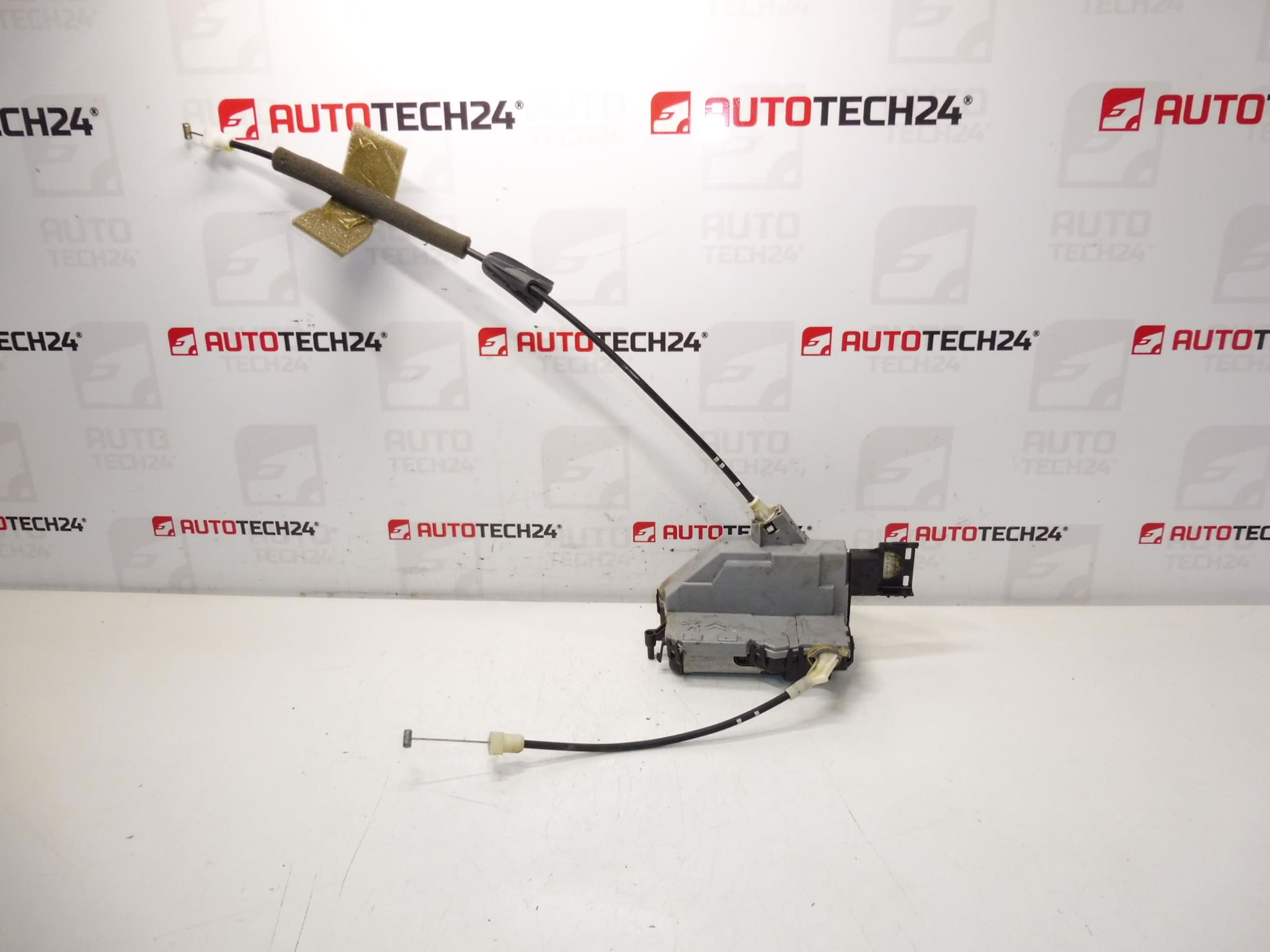
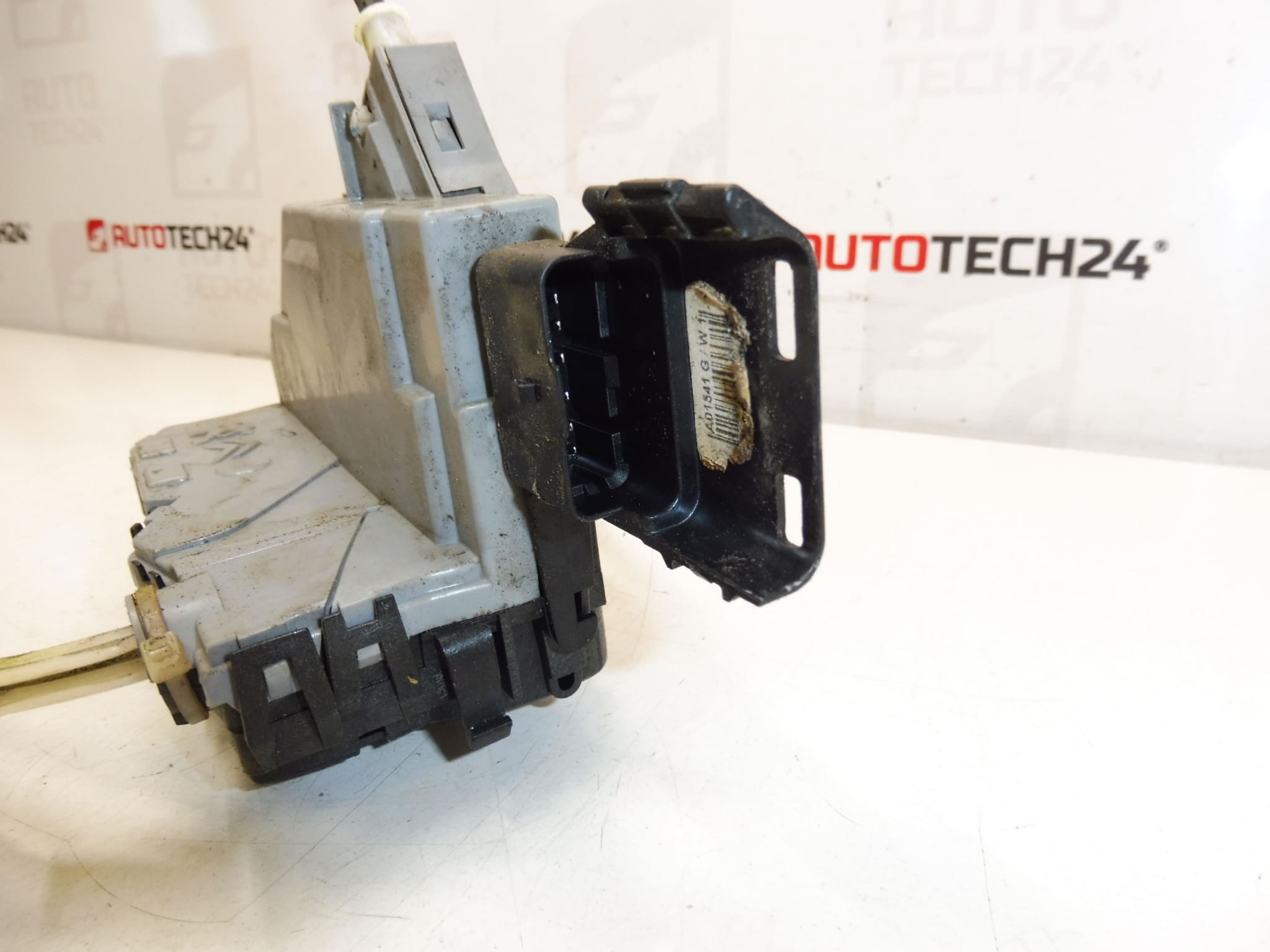
Electric Central Lock Actuator For Right Rear Door. For PEUGEOT 3008 First Generation. Door Behind The Front Passenger.
This electric central locking actuator is designed for the right rear (passenger-side rear) door of the Peugeot 3008 first generation. It restores reliable central locking function, allowing remote or button-operated locking and unlocking of the rear passenger door. The actuator is commonly referenced by OE and spare part numbers, which makes searching by code convenient for professional workshops and DIYers.
Key Features
– Direct replacement for the original central locking mechanism on the right rear passenger door.
– Electric 12 V actuator with integrated motor and gear train for dependable lock/unlock movement.
– Compatible with vehicles referenced as PEUGEOT 3008 I (first series).
– Useful when the door does not respond to central locking commands, operates intermittently, or produces grinding/noise.
Technical Information
- Manufacturer: Stellantis / Peugeot
- Model: Peugeot 3008 I (First Generation)
- Product Codes: 9800623880, 9138Z2
- Other Numbers: 9138.Z2, (T84), (T87)
- Application: Right Rear Door (Passenger-Side Rear, Door Behind The Front Passenger)
- Electrical: 12 V DC actuator (motor-driven, with plastic/metal gearset)
How It Works
The actuator converts electrical signals from the central locking system into mechanical movement to operate the lock rod and latch. A small DC motor drives a gear train and linkage that moves the locking mechanism between locked and unlocked positions. When functioning correctly, the actuator responds to remote key fob commands, door switch commands, and the vehicle’s central locking logic.
Symptoms Of A Faulty Actuator
- Door Does Not Lock Or Unlock With Central Locking
- Intermittent Operation Or Delay When Activating Lock
- Grinding, Clicking, Or Unusual Noises From Inside The Door
- Manual Lock Sticks Or Feels Heavy
- Other Doors Work Normally While This Door Fails
Typical Causes Of Failure
The most common reasons for actuator failure are mechanical wear of internal gears (often plastic), corrosion or water ingress due to damaged door seals or blocked drainage channels, broken linkage rods or clips, and electrical faults such as connector corrosion or motor burnout. Age and frequent use accelerate wear; damage after door impact or moisture penetration is also common.
Replacement Procedure (Overview)
Recommended For Experienced Technicians And Competent DIYers. Typical replacement steps:
- Disconnect The Vehicle Battery Before Starting Work To Avoid Short Circuits And Unintended Airbag Deployment.
- Remove The Interior Door Trim Panel And Any Moisture Barrier Carefully To Access The Lock Assembly.
- Disconnect The Electrical Connector From The Actuator.
- Unclip Or Unscrew The Lock Rods/Linkages From The Actuator (Note Their Positions For Reassembly).
- Remove Mounting Screws/Tabs And Extract The Actuator From The Door Shell.
- Install The New Actuator, Reattach Rods/Clips, Reconnect The Electrical Connector, And Refit The Door Trim And Moisture Barrier.
- Reconnect The Battery And Test Lock/Unlock Operation Several Times Before Final Reassembly.
Mounting Recommendations
- Always Disconnect The Battery Before Removing Door Electronics.
- Keep The Moisture Barrier Intact And Reseal Properly After Replacement To Prevent Water Ingress.
- Replace Any Broken Clips Or Worn Linkage Rods At The Same Time To Ensure Smooth Operation.
- Check Door Drainage Channels And Seals—Clear Any Blockages To Minimize Future Corrosion.
- After Installation, Cycle The Central Locking System Multiple Times And Verify Mechanical Movement Under The Door Trim.
Why This Part Fails Most Often
Actuators commonly fail due to internal gear wear (especially plastic gears), moisture and corrosion from clogged door drains or damaged seals, and mechanical damage to linkage rods/clips. Electrical issues such as connector corrosion or motor overload also reduce actuator life. Regular exposure to water and dirt accelerates deterioration.
Notes For Purchase And Fitment
Search By Product Code (e.g., 9800623880, 9138Z2) To Find Matching Replacements Quickly. Ensure The Part Is Specified For Peugeot 3008 I (First Generation) And For The Right Rear Passenger Door (Door Behind The Front Passenger).