Description
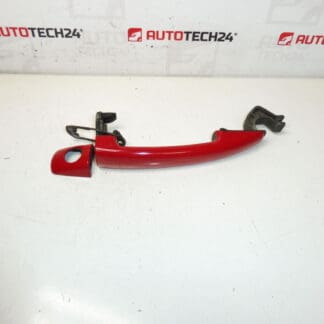
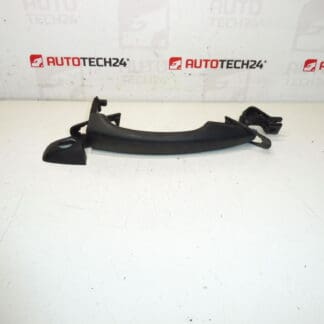
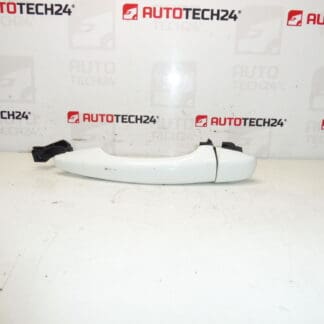
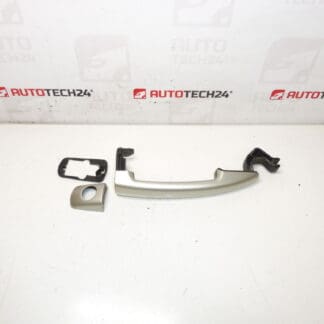
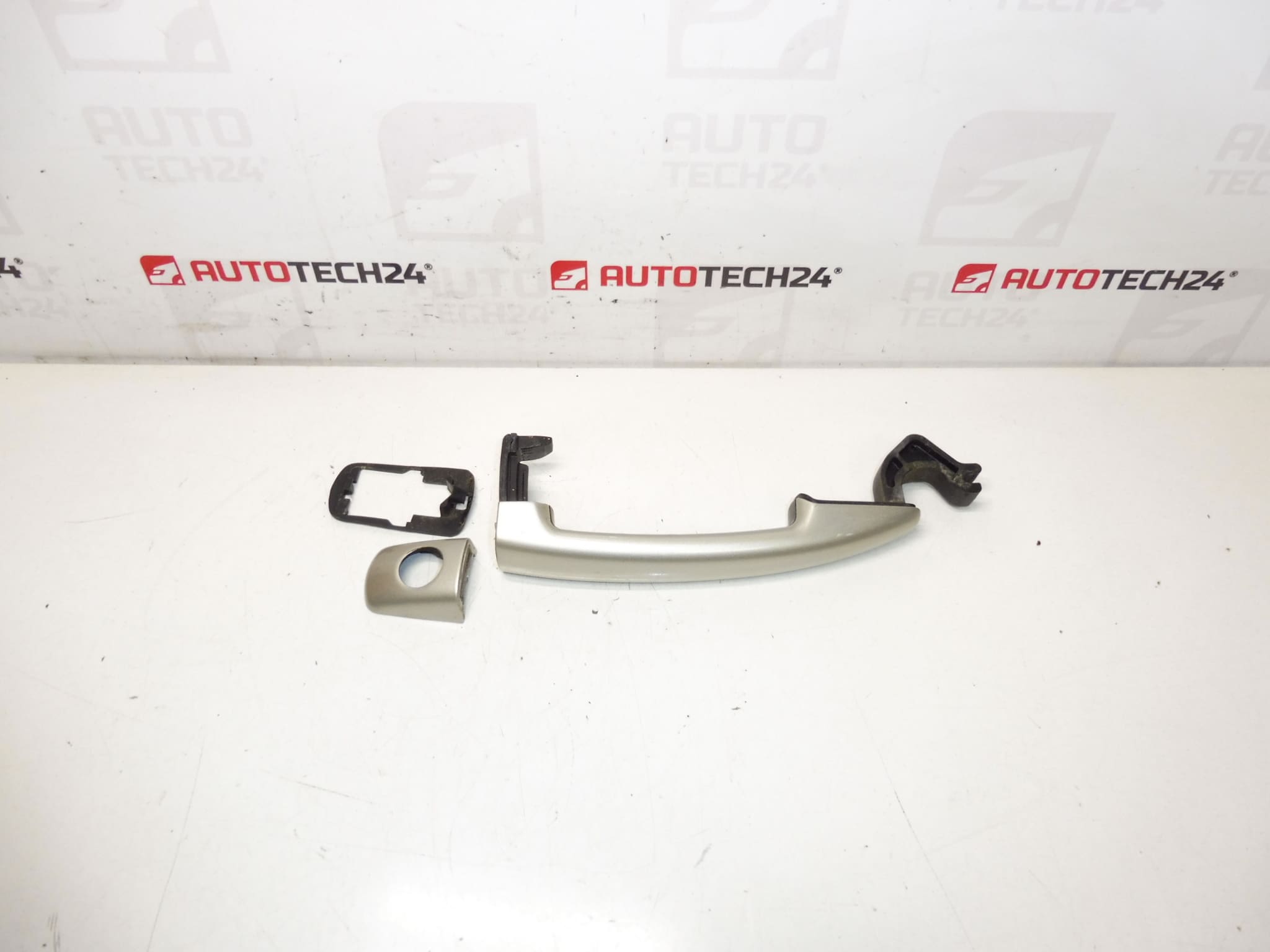
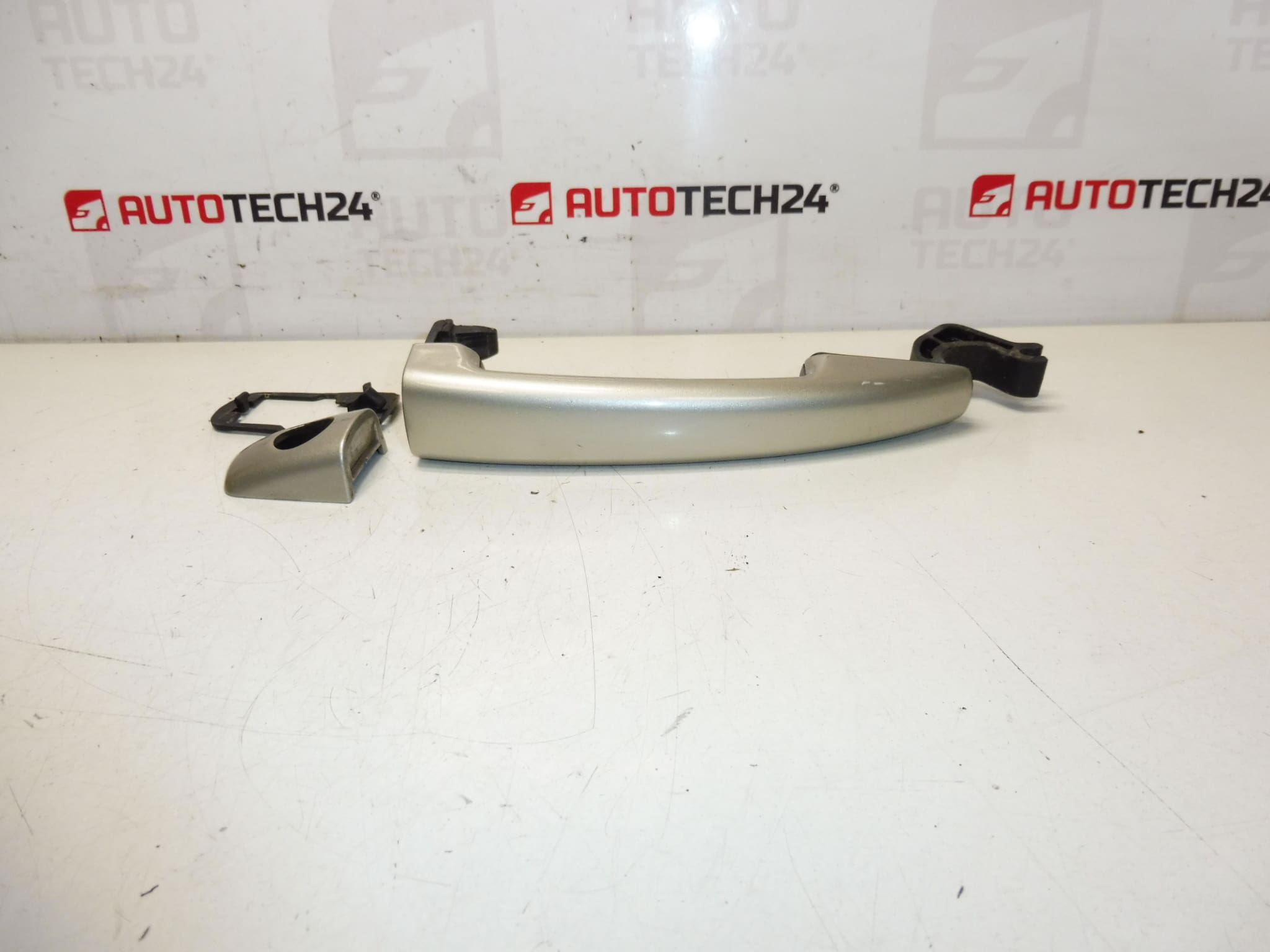
Left front door handle for CITROËN BERLINGO III, C4 II, C4 PICASSO and GRAND PICASSO, JUMPY III and PEUGEOT 207, 308, PARTNER III, EXPERT III. Color ETS – Paint Gray Cendre. Various colors available in stock.
Overview
Robust exterior left front door handle designed for a wide range of Citroën and Peugeot models. This part is a direct-fit replacement commonly searched under the reference 9101GF and manufactured within the Stellantis group for Citroën/Peugeot applications. Built to restore reliable door opening and secure closure, it is suitable for professional workshops and DIY mechanics who demand OE-style fit and finish.
Function And Fitment
The exterior door handle transfers user input to the door latch via a rod or cable linkage. On installation it must engage the internal latch mechanism cleanly to ensure consistent opening and locking. This specific handle is intended for the Left Front (driver/passenger side depending on market) door on the listed Citroën and Peugeot models. Verify side and position before fitting.
Technical Information
- Manufacturer: Stellantis (Citroën / Peugeot)
- Model: Citroën Berlingo III, Citroën C4 II, Citroën C4 Picasso, Citroën Grand Picasso, Jumpy III, Peugeot 207, Peugeot 308, Partner III, Expert III
- Product Codes: 9101GF
- Other Numbers: ETSC; Color Code: Paint Gray Cendre (ETS – LAK ŠEDÝ CENDRE)
Installation Recommendations
- Remove the interior door trim panel to access the handle mounting points and linkage. Keep fasteners and clips organized for reassembly.
- Peel back the moisture barrier carefully to avoid tearing. Support the door latch during removal if required.
- Unbolt or unclip the handle retaining screws/nuts and disconnect the operating rod or cable from the latch lever.
- Fit the new handle, reconnect the rod/cable ensuring secure engagement and correct geometry, then tighten retaining hardware to manufacturer torque where available.
- Check free play and operation several times before refitting the moisture barrier and door trim. Verify lock/unlock and child-safety functions if applicable.
- Use corrosion-resistant fasteners if the originals are corroded, and avoid over-tightening plastic components to prevent cracking.
Common Failure Reasons
- Mechanical Wear And Fatigue: Repeated daily use causes pivots, plastic levers, or springs to wear or fracture over time.
- Corrosion: Exposure to moisture and road salt can corrode metal fixings or seize moving parts, preventing smooth operation.
- Impact Damage: Minor collisions or slamming doors can deform the handle or break mounting tabs.
- Broken Clips Or Linkage: Plastic clips and cable ends are frequent failure points, causing the handle to operate without releasing the latch.
Why Choose This Part
This left front door handle offers OEM-compatible fit and finish for Citroën and Peugeot models listed above. Supplied in factory color options including ETS – Paint Gray Cendre, it restores the original appearance and functionality. The part reference 9101GF is commonly used when searching for replacements, making it easy to match and order the correct component.
Notes For Professionals And DIYers
Fitment is straightforward for experienced technicians: correct disassembly of the door trim and careful handling of linkage are the keys to a clean installation. If the door also shows signs of latch or lock failure, inspect the latch assembly and linkage bushings while the door is open to avoid repeat visits.