Description
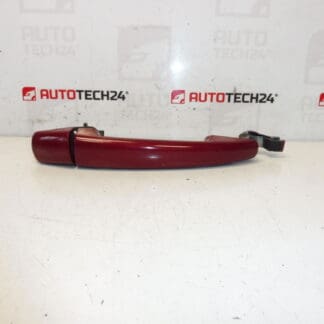
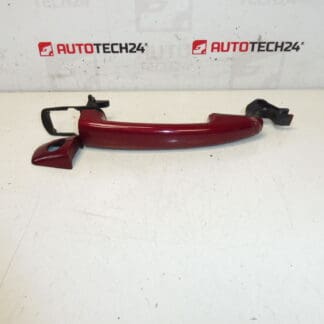
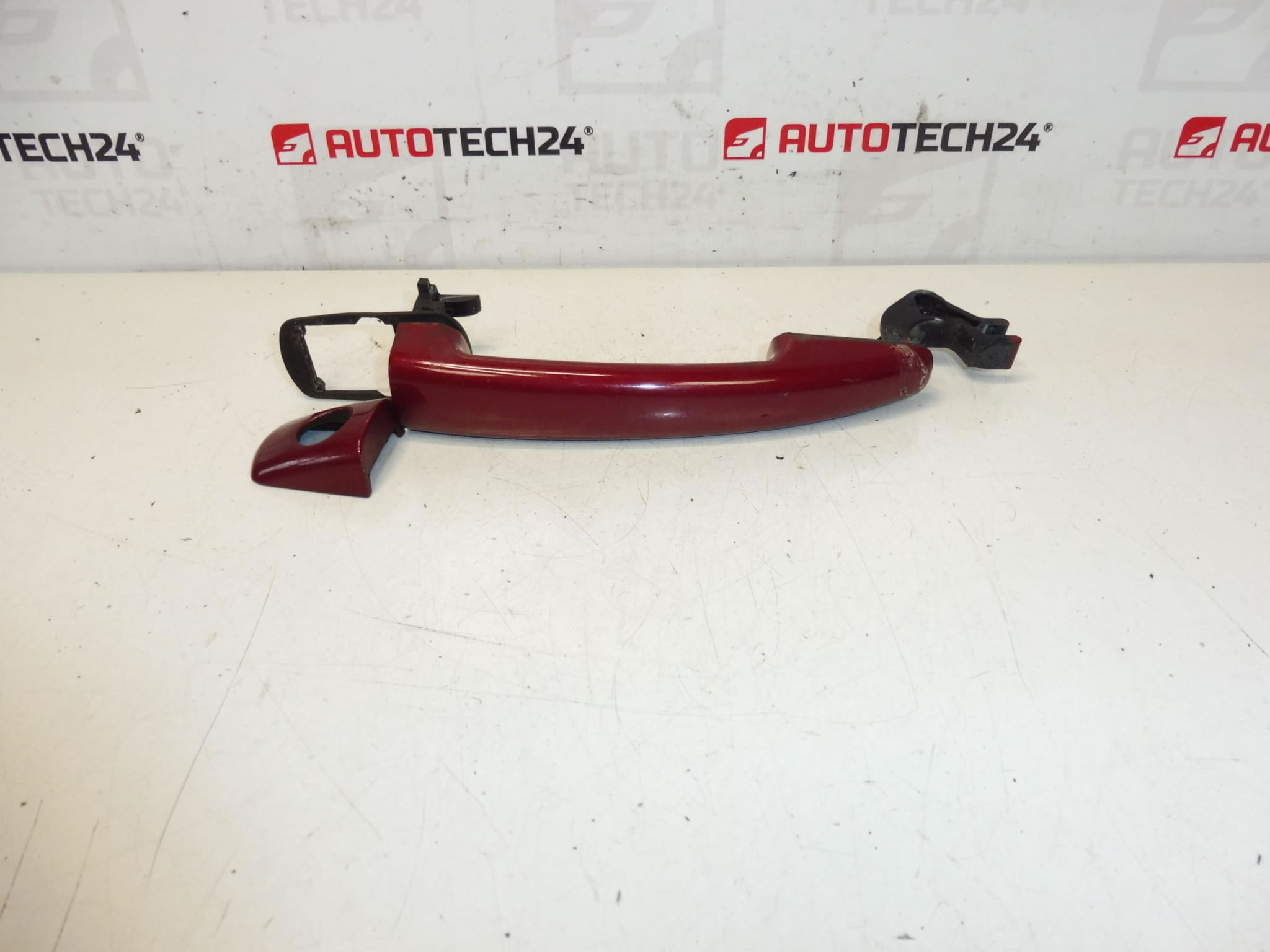
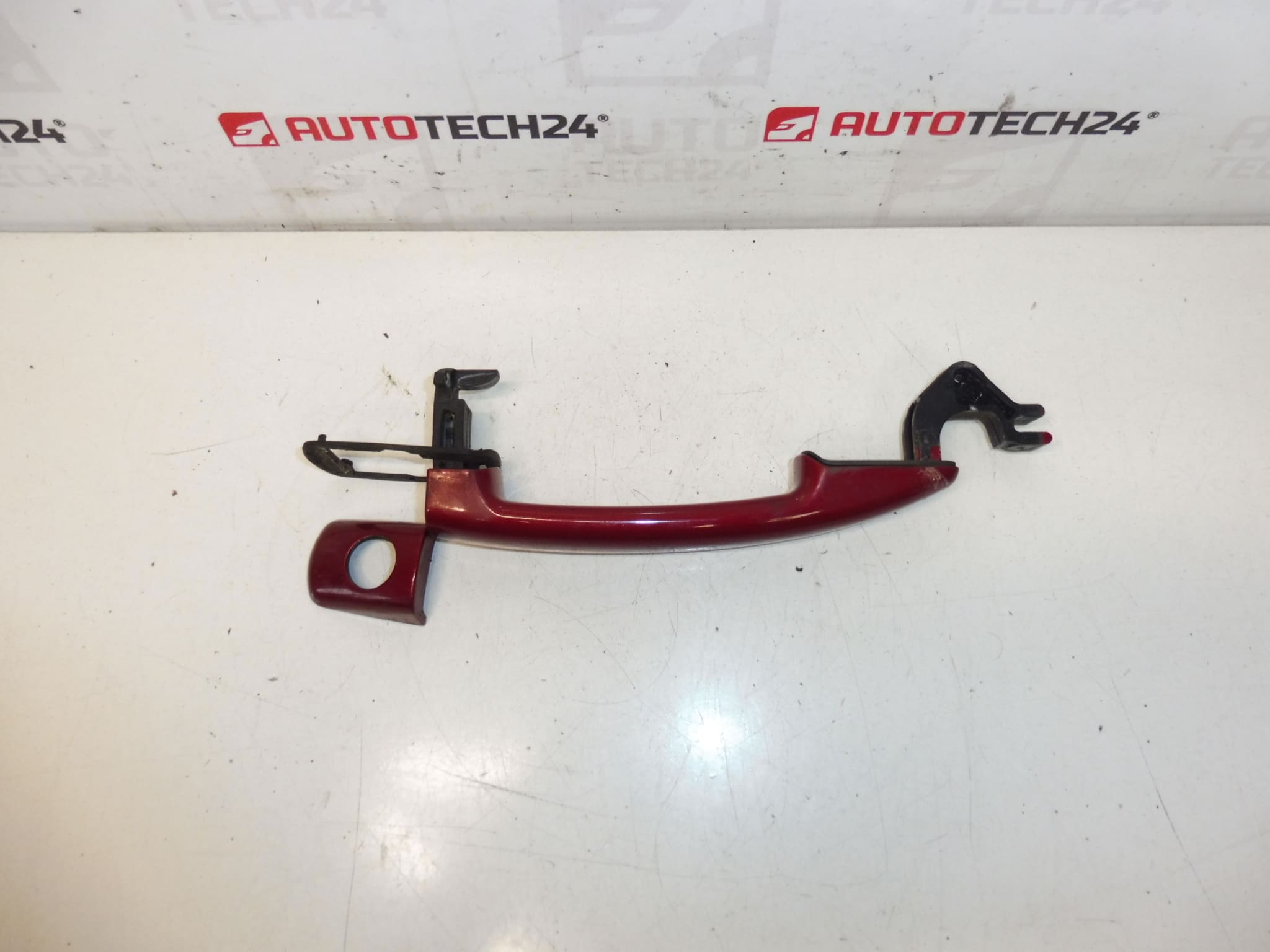
Left Front Driver’s Door Handle For Citroën C4 And C6 And Peugeot 407
Paint Code KKQ – Red Profond
Driver’s Door
Professional-quality exterior left front (driver side) door handle designed for Citroën C4, Citroën C6 and Peugeot 407 models. Finished in paint code KKQ (Red Profond), this replacement handle restores original appearance and function for vehicles fitted with the matching color. Ideal for mechanics and DIY enthusiasts looking for a direct-fit, visually matched part. Commonly searched by part number 9101EP or code KKQD.
Key Features
– Direct-fit replacement for the left front driver’s door exterior handle.
– Painted to match KKQ (Red Profond) finish for seamless repair of visible bodywork.
– Suited for vehicles in the Citroën/Peugeot family where this handle and color were originally specified.
– Robust construction for repeated daily use; designed to interface with factory locking and latch mechanisms.
Technical Information
- Manufacturer: Stellantis (Citroën / Peugeot)
- Model: Citroën C4, Citroën C6, Peugeot 407
- Product Codes: 9101EP, KKQD
- Additional Numbers: Color Code KKQ (Red Profond)
Function And Fitment Notes
The exterior door handle operates the latch mechanism via internal linkages or rods and works together with the central locking and, where fitted, the lock cylinder. It provides the primary manual release of the door from the outside. Fitment must match the vehicle’s door configuration (left/front) and paint code for an exact visual match.
Replacement Procedure (Overview)
Recommended for competent technicians or experienced DIYers. Typical steps:
- Remove the interior door trim panel using plastic trim tools to avoid damage.
- Disconnect any electrical connectors for central locking or courtesy lights if present.
- Release the interior clips and remove the access cover to reach the handle retaining bolts or screws.
- Detach linkage rods from the old handle (note clip orientations) and remove the retaining fasteners.
- Fit the new handle, reconnect linkage rods and electrical connectors, then secure all fasteners to manufacturer torque specifications.
- Reinstall the door trim and check function of the handle, lock and central locking. Lubricate latch points with suitable grease if required.
Installation Recommendations
– Use trim removal tools to prevent panel damage.
– Keep track of small clips and screws; replace broken retaining clips if found.
– Test mechanical operation and central locking before finishing reassembly.
– If the handle includes or interfaces with a lock cylinder, ensure the cylinder is correctly aligned and operates smoothly.
– When working near airbags or wiring harnesses, follow vehicle manufacturer safety procedures (isolate battery where recommended by the manufacturer) and take appropriate precautions.
Most Common Reasons For Failure
Exterior door handles most frequently fail due to mechanical wear and tear, plastic clip or lever breakage, corrosion of internal components, impact damage (parking knocks or attempted forced entry), or long-term exposure to weather and road salts. Paint damage to the handle can also lead to accelerated surface degradation. Regular inspection and prompt replacement of broken clips or corroded linkages will extend service life.
Compatibility And Search Tips
Customers often search for this part by part number 9101EP or code KKQD and by model names Citroën C4, Citroën C6 and Peugeot 407. Ensure the color code (KKQ) and left front orientation match your vehicle before purchase to achieve a correct visual and mechanical fit.
Notes
This listing describes a painted left front driver’s exterior door handle intended as a replacement part. Verify fitment against the vehicle’s model and door orientation prior to installation.