Description
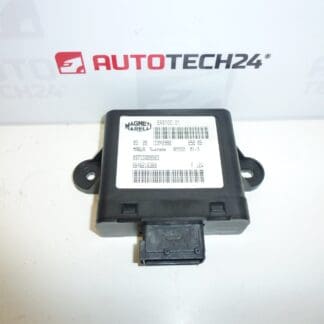
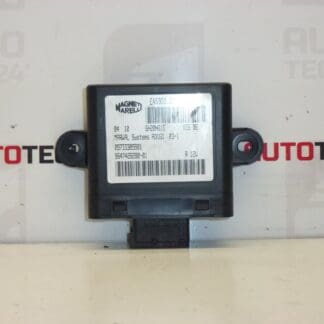
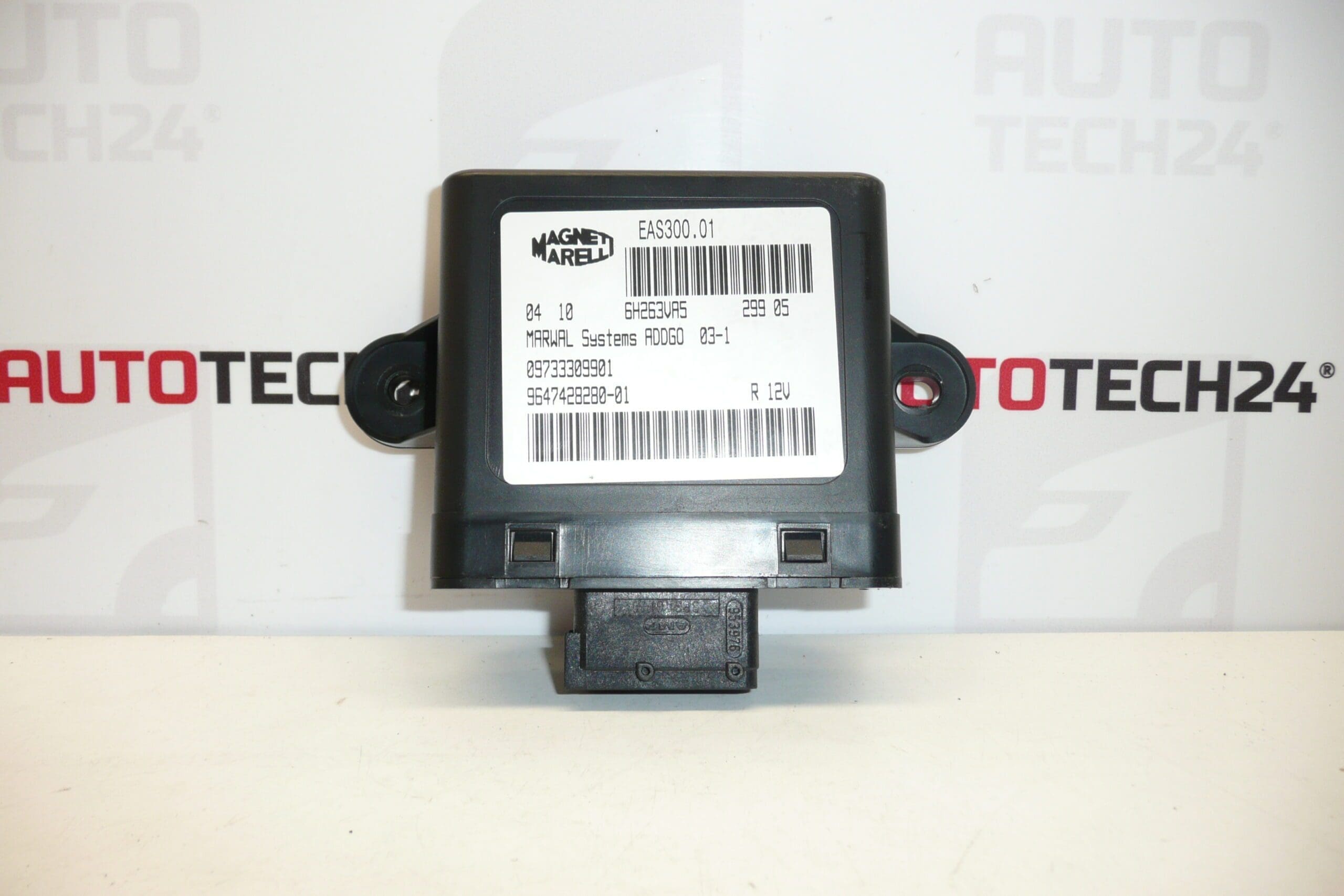
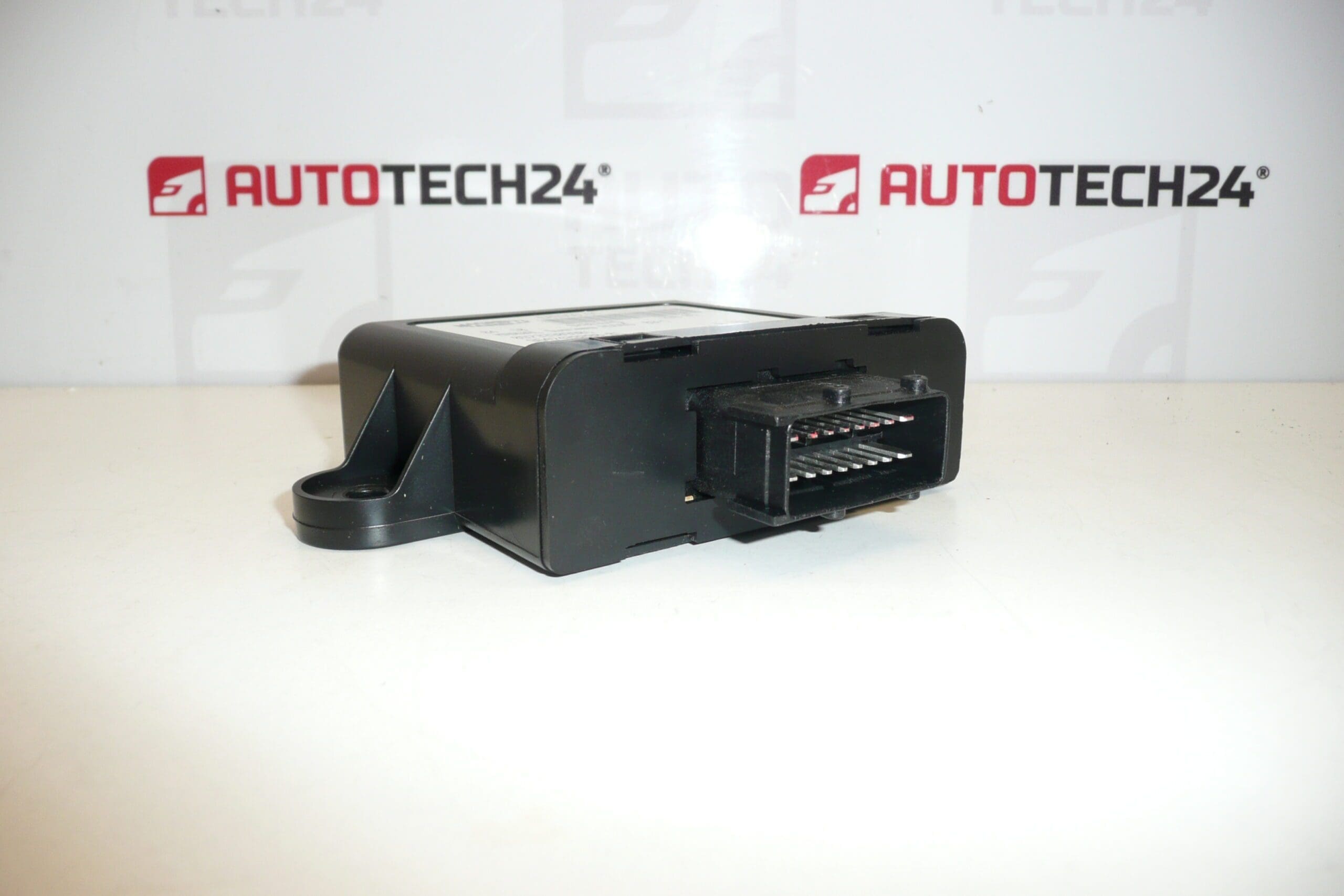
MAGNETI MARELLI Injection Control Unit for DPF (FAP) Diesel Particulate Filter for Citroën and Peugeot vehicles
This Magneti Marelli ECU is designed to manage injection-related functions linked to the Diesel Particulate Filter (FAP/DPF) on selected Citroën and Peugeot models. Ideal for professional workshops and competent DIY mechanics, the unit restores proper DPF regeneration control and injector/timing-related management when the original control module is faulty. Supplied with multiple common part numbers, it fits a range of models where the EAS300.01 / 9647428280 family is specified.
Key Benefits
– Restores reliable DPF regeneration and related injection control logic
– Compatible with known PSA electrical/engine management architectures using EAS300.01 hardware
– Useful replacement for fault codes related to DPF control, excessive soot accumulation, or ECU electronic failure
How It Works
The ECU monitors sensors (engine speed, temperature, differential pressure across the DPF, lambda/O2 signals and other engine sensors) and controls injection timing and post-injection events required for forced or passive DPF regeneration. By adjusting injection parameters and communicating with the vehicle network, the unit helps clear soot from the filter when required and manages related engine functions.
Compatibility And Application
Frequently fitted to Citroën and Peugeot diesel models using Magneti Marelli EAS300.01 control hardware. Known compatible vehicle examples (verify against part numbers): Citroën C5, Peugeot 307. Always match the part numbers below to the vehicle’s original ECU marking before installation.
Technical Information
- Manufacturer: Magneti Marelli
- Model: EAS300.01 (Control Unit). Compatible Vehicle Models: Citroën C5; Peugeot 307
- Product Codes: 9647428280, 9647428280-01
- Other Numbers: 9733309901, 09733309901, 1525CY, 09733309901, EAS300.01
Installation Recommendations
– Always disconnect the battery before removal and installation to prevent damage to the electronics.
– Observe anti-static precautions and avoid touching exposed board components or pins.
– Ensure all connectors and pins are clean and corrosion-free; secure the ECU in its mounting bracket in the original orientation.
– After mechanical fitment, perform required software initialization/coding where applicable so the unit communicates correctly with other vehicle systems.
Installation and Coding – Important
- The unit is used and is “paired” with the original vehicle (VIN/PIN/keys).
- Options to put the unit into service:
- Cloning data from the old unit (EEPROM/Flash) – after cloning the unit is plug and play.
- Virginization and subsequent initialization/telecoding via DiagBox (or online) + key adaptation.
- Recommended to be performed by a technician with PSA service equipment (DiagBox/Lexia/PP2000).
- Always disconnect the battery before disassembly/assembly and follow the manufacturer procedure to avoid damaging the unit.
Why This Part Fails Most Often
Common causes of ECU failure include water ingress or moisture in the connector area, thermal stress from prolonged high under-hood temperatures, connector corrosion, or internal electronic component faults. Secondary effects such as a severely blocked DPF, repeated failed regeneration cycles, or faults in sensors/actuators (differential pressure sensor, EGR, injectors) can increase load on the ECU and contribute to failure.
Replacement And Practical Tips
When replacing the ECU, confirm the external part numbers match and inspect the DPF system and related sensors. If the DPF is heavily clogged, address the filter and sensor faults before installing the replacement ECU to avoid reoccurrence of error codes or premature failure. After installation follow the coding/initialization steps to ensure full functionality.
Notes For Mechanics
Keep the ECU’s part numbers handy during diagnostics and parts ordering: technicians often search by the item number (9647428280 / 9647428280-01 / 9733309901 / 1525CY). Proper diagnosis of DPF-related faults typically includes scanning for stored fault codes, checking sensor signals, and verifying regeneration events.