Description
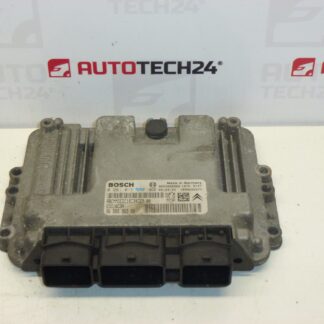
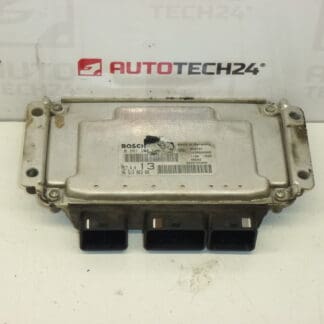
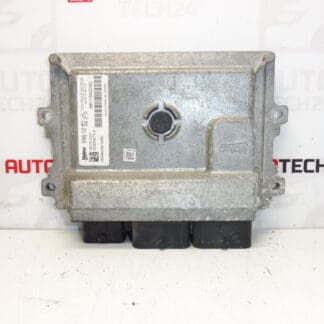
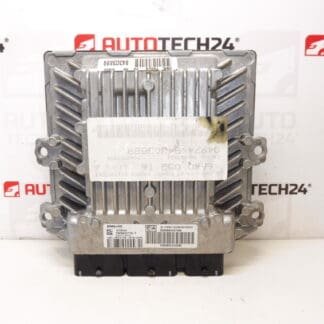
SIEMENS Engine Control Unit 2.0 HDi 100 kW RHR For Peugeot 307
This Siemens ECU is designed for the 2.0 HDi 100 kW RHR diesel engine used in Peugeot 307 models. It controls fuel injection, boost management, EGR regulation and related engine functions to ensure efficient combustion, stable idle and compliance with emissions systems. Commonly searched by OE and supplier numbers, this unit is suitable for professional workshops and experienced DIY mechanics who need a direct replacement ECU that matches the engine management requirements of the RHR 2.0 HDi powertrain.
Technical Information
- Manufacturer: Siemens
- Model: Peugeot 307 (Engine: 2.0 HDi 100 kW, Code RHR)
- Product Codes: 5WS40277G-T, 5WS40277I-T, 9655534080, 9660497480
- Additional Numbers: 1940ZA, 1940ZC, 1942T2, 1942T6
Installation Recommendations
Replace the ECU only with the ignition off and the negative battery terminal disconnected to avoid electrical damage. The ECU location can vary by model year and option level—typically it is mounted in the engine bay on the bulkhead or under the passenger footwell behind a trim panel. Basic replacement steps:
- Park on a level surface, remove ignition key and disconnect the negative battery terminal.
- Locate and remove any covers or trim protecting the ECU; unlock connector clips carefully and label wiring harnesses if necessary.
- Unscrew ECU mounting bolts and withdraw the unit. Avoid touching pins and protect the unit from static discharge and moisture.
- Install the replacement ECU in reverse order, ensuring connectors are fully engaged and fasteners torqued to manufacturer values.
- After electrical reconnection, use a compatible diagnostic tool to initialise and program the ECU where required. Immobiliser pairing or ECU coding may be necessary for correct engine start and operation.
Most Common Failure Reasons
- Water Ingress And Corrosion: Moisture entry around connectors or housing can corrode pins and trace circuits.
- Thermal Stress And Ageing: Prolonged heat cycles degrade solder joints and electronic components, leading to intermittent faults.
- Electrical Surges Or Poor Grounding: Voltage spikes from charging systems or bad earth connections can damage internal electronics.
- Connector Wear And Mechanical Damage: Broken clips, loose terminals or impact damage cause poor contact and signal errors.
- Sensor Failures Causing Secondary ECU Issues: Failed sensors (e.g., crankshaft or camshaft position sensors) can overload diagnostics and trigger limp mode or no-start conditions.
Typical Symptoms Of A Faulty ECU Include Engine Not Starting, Intermittent Stalling, Constant Or Intermittent Check Engine Light, Reduced Engine Power (Limp Mode), Irregular Idle And Poor Fuel Economy. Lifespan Varies; Many Failures Are Related To Environmental Damage Or Electrical Problems Rather Than Normal Wear.
This ECU is primarily aimed at professional fitters and skilled DIY mechanics. Ensure correct programming and immobiliser alignment after installation to restore full engine functionality.