Description
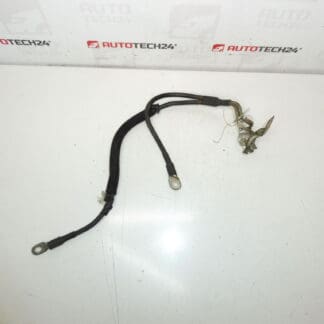
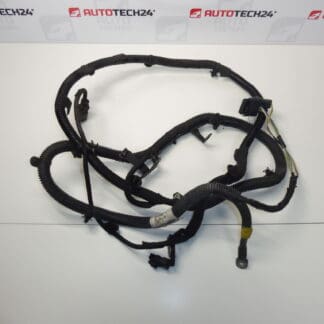
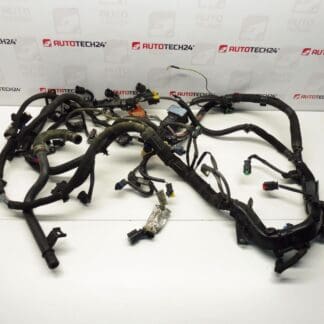
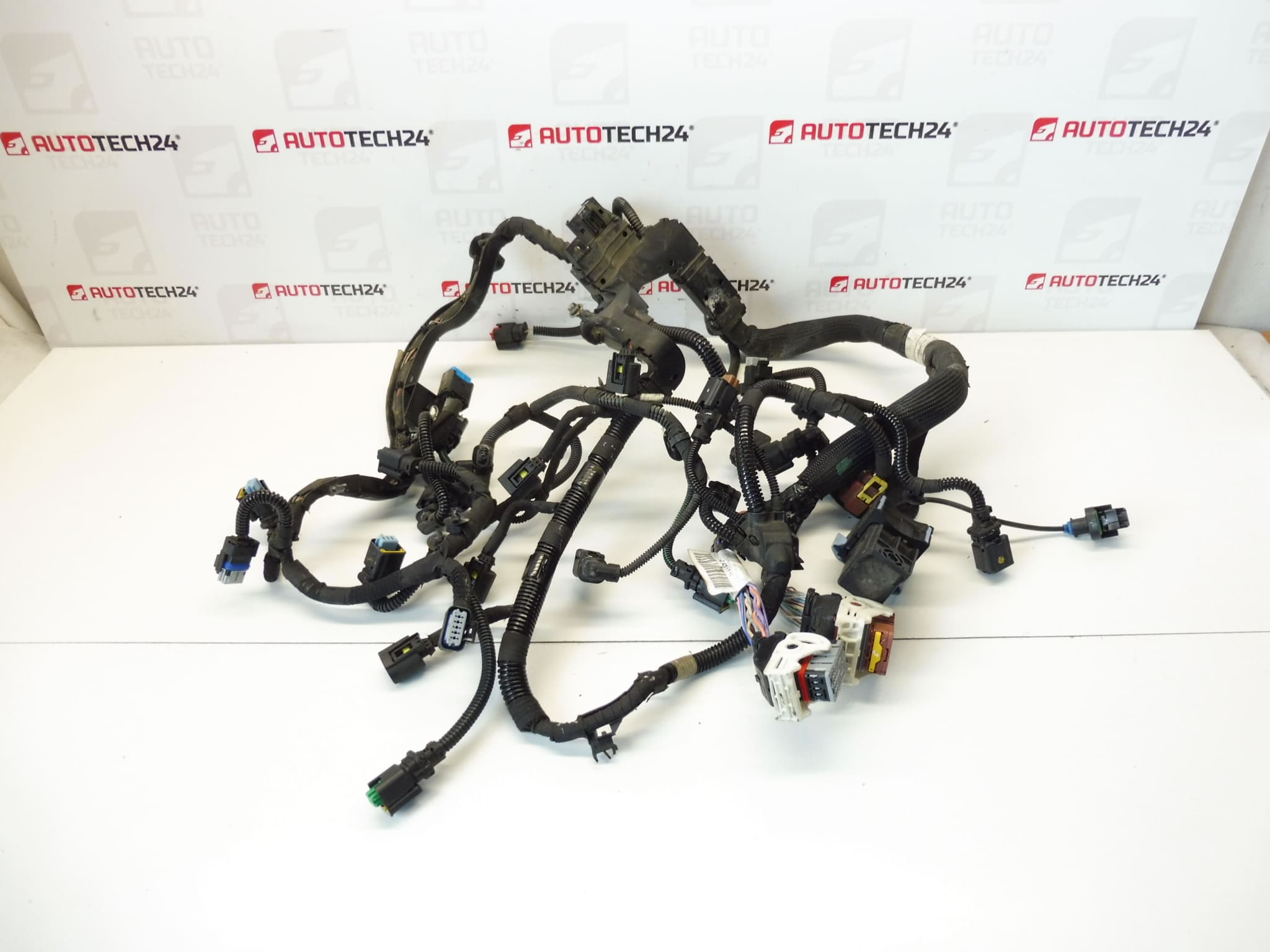
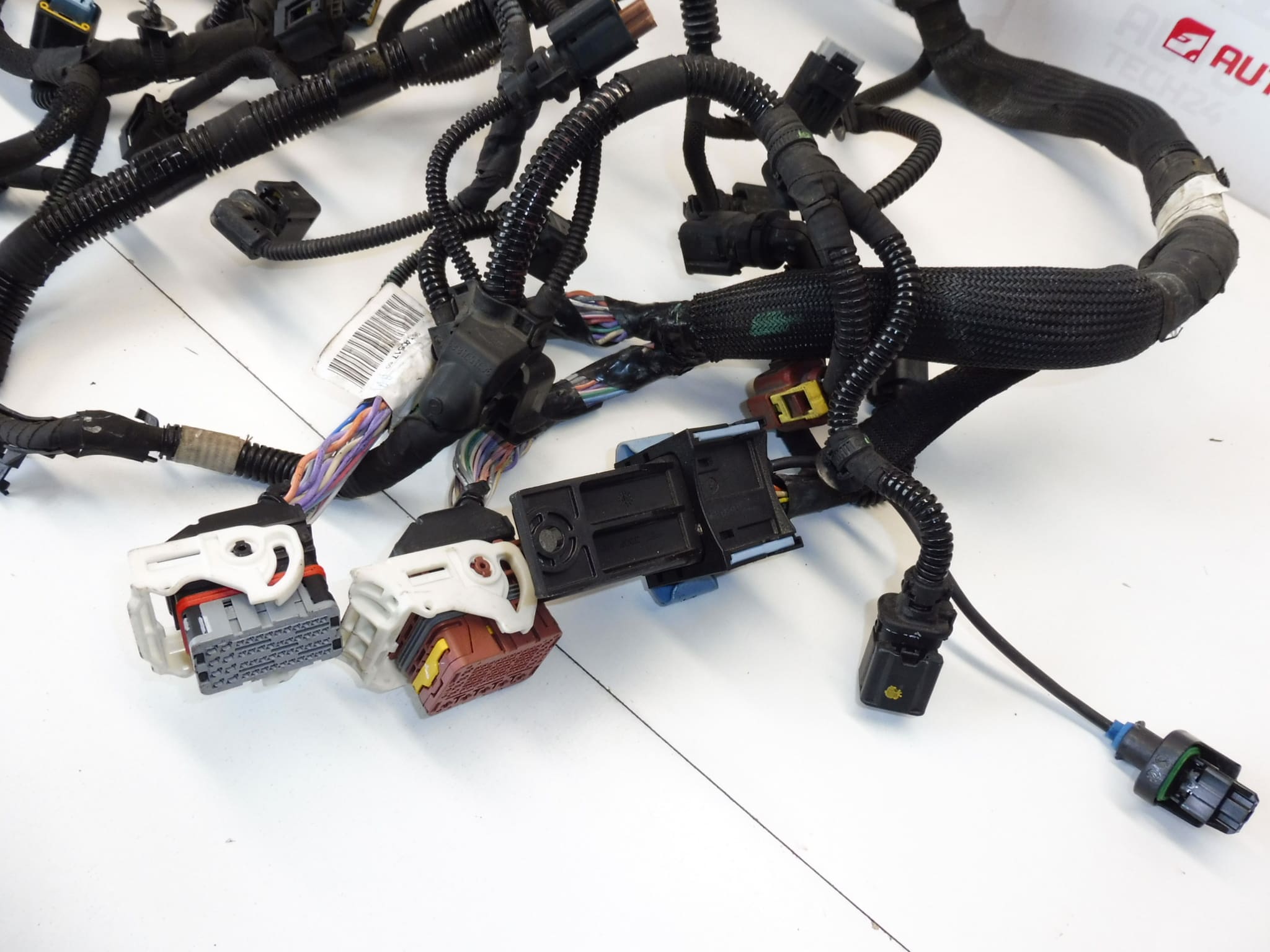
Main Engine Wiring Harness For 1.6 E-HDI Start-Stop Engines For Citroën, Peugeot And DS Vehicles
This replacement main engine wiring harness is designed for 1.6 e-HDi Start-Stop petrol/diesel applications used across Citroën, Peugeot and DS models. It routes power and signal connections between the engine control systems, fuel injection components, start-stop equipment and vehicle electrical network. Frequently searched by original part numbers, this harness is suitable for professional garages and competent DIY mechanics who need a reliable, direct-fit wiring solution for common PSA powertrains.
Applications And Compatibility
Compatible With:
- Citroen C4 II
- Citroën C4 Picasso
- Peugeot 3008 I
- Peugeot 308
- Peugeot 5008 I
Common Search Terms: Engine Wiring Harness 1.6 e-HDI, Start-Stop Wiring Harness, 9678303980, 9674051780, 6585L0.
Technical Information
- Manufacturer: Stellantis (Citroën / Peugeot / DS)
- Model: 1.6 e-HDI Start-Stop Engine Wiring Harness
- Product Codes: 9678303980, 9674051780
- Other Numbers: 6585L0
Function And What It Controls
The Main Engine Wiring Harness Transmits Power And Signals Between The Engine Control Unit And All Engine-Related Components. Typical Connections Include Injectors, Glow Plugs (Diesel), Sensors (Crankshaft/Camshaft Position, Temperature, Pressure), Start-Stop Interface, Alternator, Starter Relay/Cut, And Various Grounds. The Harness Ensures Correct Signal Integrity And Power Distribution Required For Engine Management And Start-Stop Operation.
Why The Part Fails
Wiring Harnesses Most Often Fail Due To Mechanical Wear, Heat Damage, Vibration And Chafing Against Bodywork Or Engine Components. Additional Causes Include Corrosion Of Connector Pins, Water Ingress, Rodent Damage, And Fatigue At Bending Points Or Connector Joints. Vehicles With Start-Stop Systems Can Place Extra Cyclic Stress On Related Circuits, Increasing Likelihood Of Connector Or Wire Fatigue Over Time.
Replacement Frequency And Signs Of Failure
There Is No Fixed Interval For Replacing A Wiring Harness; Lifespan Depends On Vehicle Use, Environment And Maintenance. Typical Early Signs Of Harness Issues Include Intermittent Engine Faults, Failure To Start, Warning Lights Related To Engine Management, Loss Of Start-Stop Function, Corroded Or Loose Connectors, And Visible Damage To Insulation Or Wires.
Recommended Installation
Replacement Should Be Carried Out By A Trained Mechanic Or An Experienced DIY Enthusiast Following Manufacturer Procedures. Typical Steps:
- Disconnect The Battery And Wait A Few Minutes To Ensure Systems Are De-energized.
- Label And Photograph Connector Locations Before Disassembly To Preserve Correct Routing.
- Release Fasteners, Clips And Any Protective Conduits; Remove The Old Harness Carefully To Avoid Damaging Nearby Components.
- Route The New Harness Exactly As Original, Secure Clips And Fasteners, And Keep Wires Away From Heat Sources And Moving Parts.
- Reconnect All Plugs Firmly, Check Grounds And Protective Boots, Reconnect The Battery And Perform Basic Electrical Checks.
For Vehicles Where Reprogramming Or Adaptation Of Modules Is Required After Harness Replacement, Use Manufacturer Diagnostic Equipment. Always Follow Safety Procedures And Torque Specifications Provided By The Vehicle Manufacturer.
Why Professionals Often Prefer Original Part Numbers
Engine Wiring Harnesses Are Frequently Searched And Ordered By Original Part Number To Ensure Correct Fitment And Connector Layout. Use The Listed OE Numbers To Match The Harness To The Specific Engine Variant And Equipment Level.
Additional Notes
This Harness Is Intended As A Direct-Fit Replacement For The Listed Models And Part Numbers. When Replacing Complex Electrical Components, Take Time To Inspect Connectors, Grounds And Related Sensors; Replacing Damaged Connectors Or Renewing Protective Looms Can Prevent Recurrence Of Faults.