Description
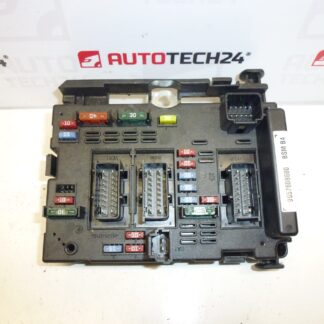
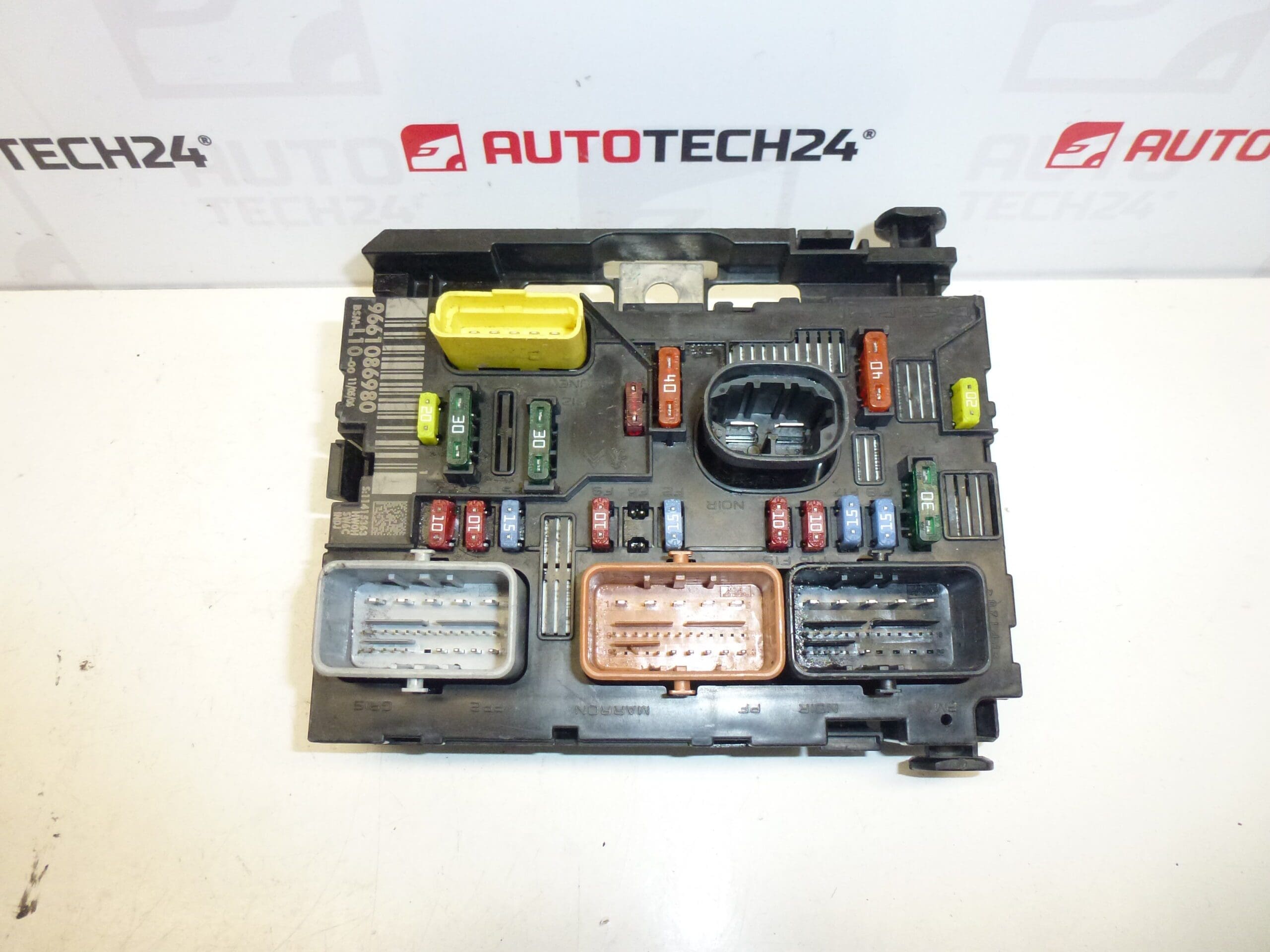
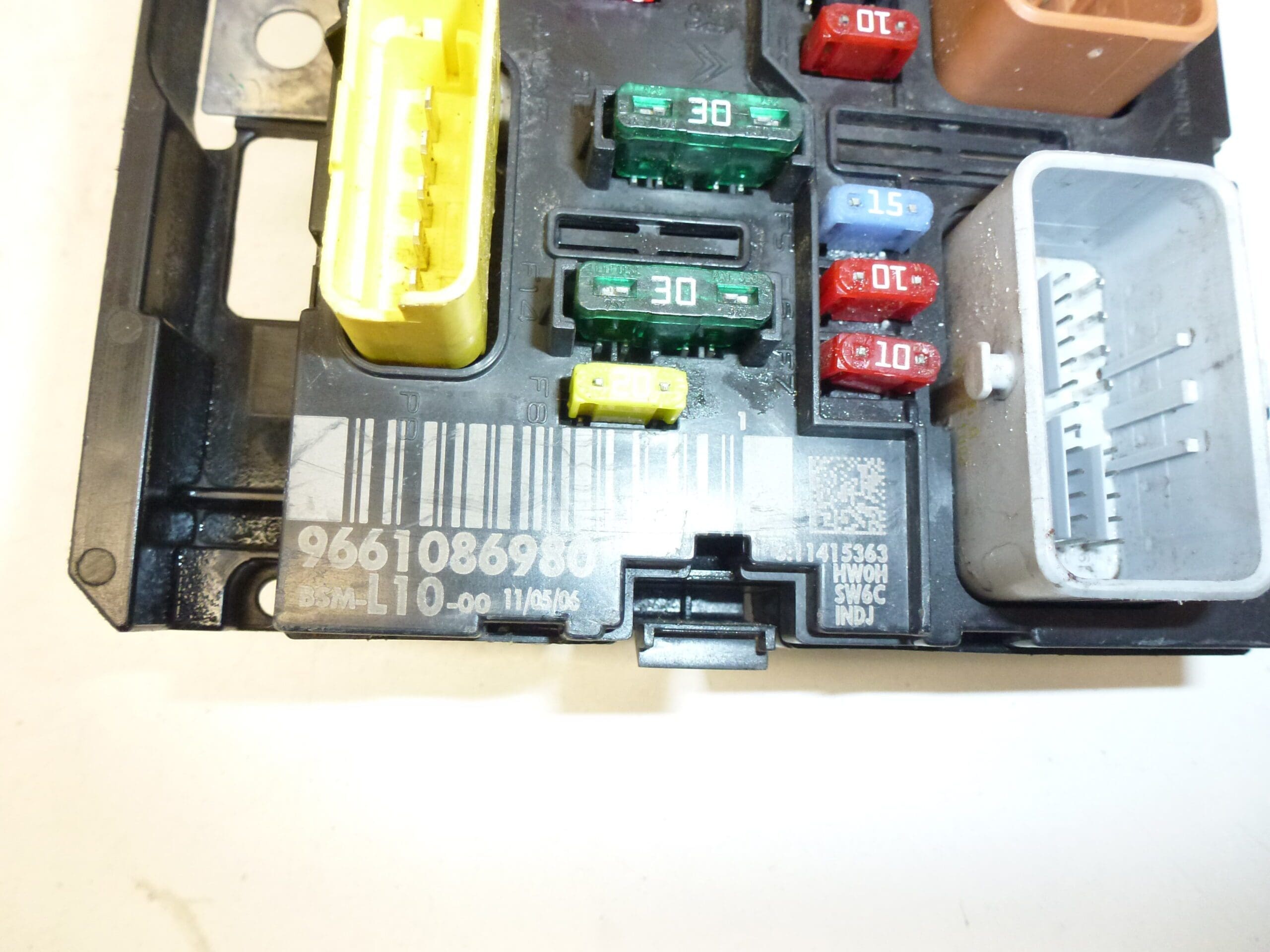
BSM Delphi L10-00 for Citroën and Peugeot vehicles. It may have a cracked mounting tab on the housing which does not affect functionality. The unit is fully functional.
This Delphi BSM L10-00 (part numbers 9661086980 / 6500FH) is a reliable engine-bay power distribution and control module used on a range of Citroën and Peugeot models. Ideal for professional mechanics and experienced DIYers, this unit is often searched by its product codes and delivers straightforward replacement value when the original module fails. Clear part numbers and OEM references in the title make it easy to find and fit the correct component.
Technical Information
Compatibility
Compatible With: Select Citroën And Peugeot Models. Common Application Examples: Peugeot 207. Always match the listed part numbers (9661086980 / 6500FH / L10-00) to your vehicle’s existing unit for correct fitment.
Function
The BSM (engine bay service box) provides power distribution and houses fuses and relays for multiple engine and body circuits. It centralizes vital power feeds and relays for starter, fuel pump circuits and other engine-bay functions, and communicates with the vehicle CAN network to coordinate power management.
Replacement Procedure
- Prepare: Park the vehicle on a level surface, engage the handbrake and ensure a safe working environment.
- Disconnect Battery: Always disconnect the negative battery terminal before starting to avoid short circuits and potential damage.
- Locate Unit: The BSM is typically mounted in the engine bay; remove any cover or trim panels to access the module.
- Unplug Connectors: Carefully unlatch and unplug electrical connectors. Label connectors if needed to ensure correct reconnection.
- Remove Mounting: Unscrew the retaining bolts or clips and remove the unit. Note any mounting brackets or insulating pads that must be transferred to the replacement.
- Fit New Unit: Install the replacement, secure fasteners to specified torque, reconnect all connectors and refit covers.
- Reconnect Battery And Test: Reconnect the battery, start the vehicle and verify that relevant systems (starter, fuel pump, lights, etc.) operate normally.
Installation Recommendations
- Always Disconnect The Battery Before Removal And Follow The Vehicle Manufacturer’s Procedure To Avoid Damage To The Module.
- Inspect Connectors And Wiring For Corrosion Or Damage; Clean Or Repair Contacts Before Reconnection.
- Transfer Any Required Mounting Brackets Or Sealing Gaskets From The Old Unit To The Replacement To Ensure Proper Fit And Protection Against Moisture.
- After Installation, Perform Functional Checks On All Affected Circuits And Clear Any Stored Fault Codes If Necessary.
Why This Part Most Commonly Fails
- Mechanical Damage To The Housing Or Mounting Tabs (Cosmetic Damage Such As A Cracked Mounting Tab Does Not Necessarily Affect Functionality).
- Water Ingress Or Corrosion On Connectors Causing Poor Contact Or Short Circuits.
- Electrical Overloads Or Surges Damaging Relays, Fuses Or Internal Electronics.
- Thermal Stress And Age-Related Degradation Of Internal Components.
Given the module’s role in power distribution, prompt replacement of a faulty BSM restores reliable operation of engine-bay circuits and prevents intermittent electrical faults that can affect drivability.