Description
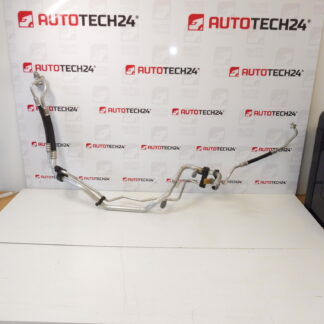
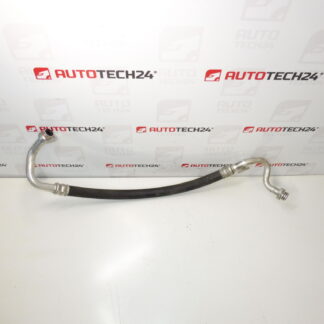
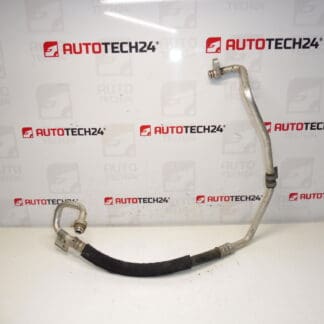
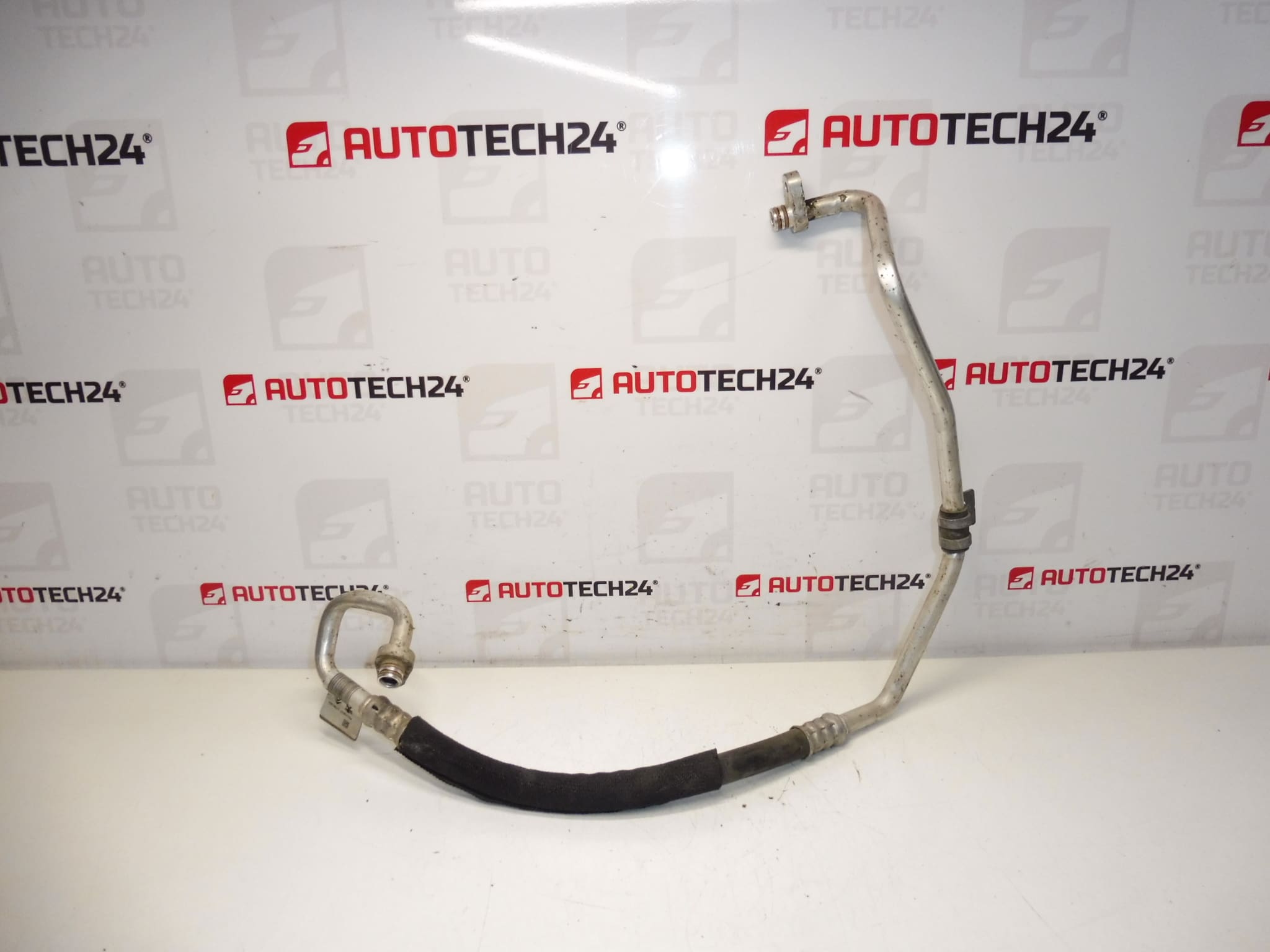
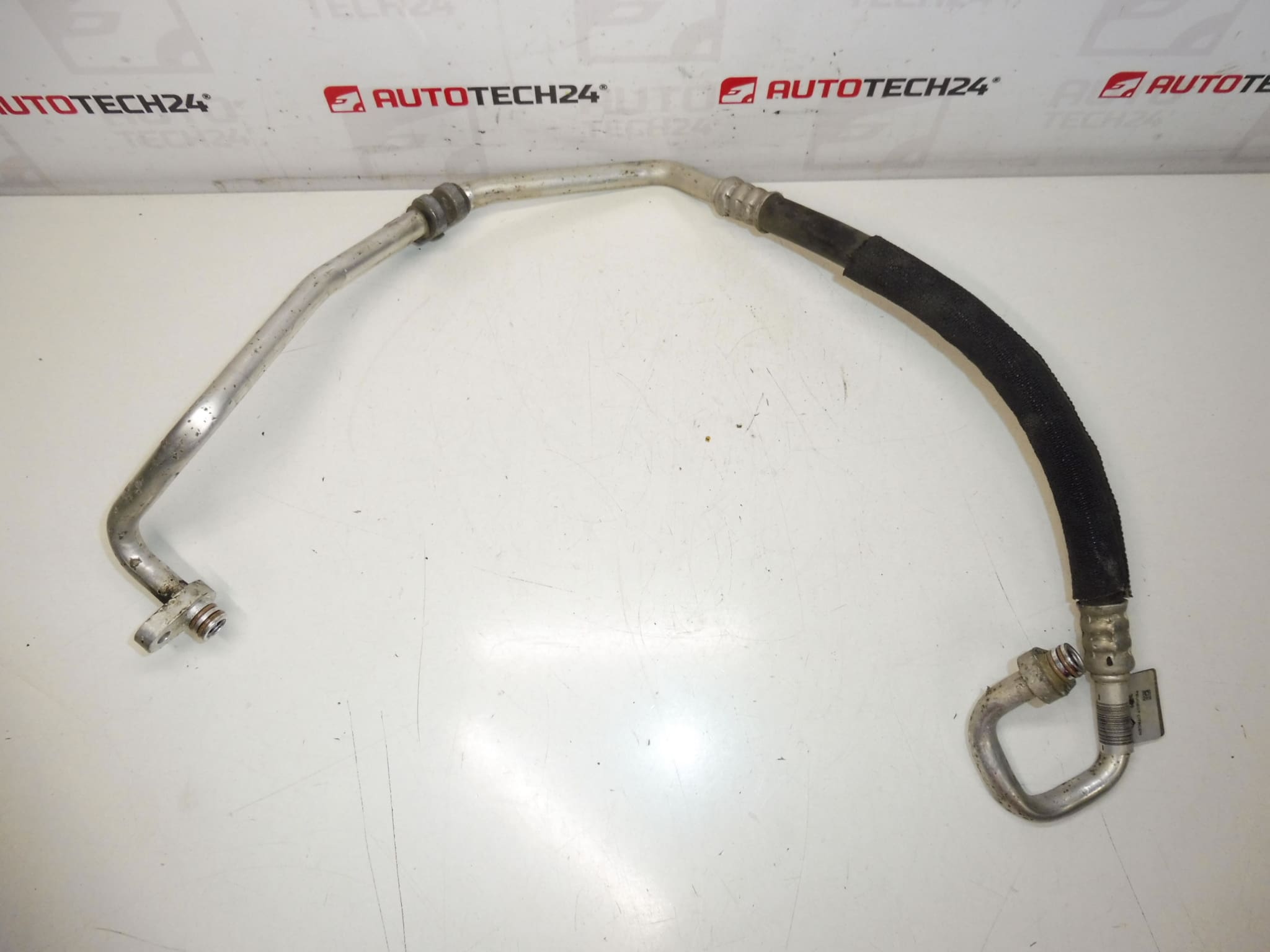
Air conditioning pipe for Citroën Berlingo from 2018, Peugeot 308, 3008, Partner from 2018 and Rifter
This is a used air conditioning pipe intended for Citroën and Peugeot models. Designed for professional mechanics and experienced DIY enthusiasts, this replacement line helps restore proper refrigerant flow and system integrity on compatible vehicles. Many customers search using the original product numbers, so please check the part references below before ordering.
Technical Information
- Manufacturer: Stellantis (Citroën / Peugeot)
- Model: Citroën Berlingo (from 2018), Citroën C4 II, Peugeot 308 (T9), Peugeot 3008 (I), Peugeot Partner (from 2018), Peugeot Rifter
- Product Codes: 9675635380, 9840709880
- Other Numbers: R1234yf | R134A (refrigerant types indicated in source references)
Function and Application
The pipe is part of the vehicle air conditioning circuit, routing refrigerant between components such as the condenser, evaporator, compressor and receiver/drier. It ensures a sealed path for refrigerant and oil under varying pressure and temperature conditions. Proper sealing at connections and intact corrosion protection are critical for system performance and leak prevention.
How It Is Replaced
- Recover refrigerant using an appropriate recovery station (by certified personnel) and depressurize the system safely.
- Remove any brackets, clips or fixed lines obstructing access to the defective pipe.
- Disconnect connections at flared fittings or O-ring joints; carefully remove the old pipe.
- Replace all O-rings and seals with new, manufacturer-compatible parts lubricated with the correct PAG oil.
- Install the replacement pipe, secure brackets and fasteners to the specified torque values in the workshop manual.
- Evacuate the system with a vacuum pump, verify leak-free operation, and recharge with the correct refrigerant type and quantity.
- Perform system performance check (pressure, temperature and blower operation) and inspect for leaks after a short road test.
Installation Recommendations
- Recovery and recharging of refrigerant must be performed with certified equipment and in accordance with local regulations.
- Always replace O-rings and apply the correct lubricant. Do not reuse old seals.
- Use the manufacturer’s torque settings and routing to avoid stress points and chafing.
- Inspect adjacent components (compressor, condenser, dryer/receiver) for contamination or damage; replace the receiver/drier if the circuit has been opened or contaminated.
- After installation, evacuate and leak-test the system, then recharge with the specified refrigerant and oil charge for the vehicle.
- Wear appropriate personal protective equipment. Follow the vehicle manufacturer’s service manual for exact procedures.
Why This Part Most Commonly Fails
- Corrosion From Road Salt And Moisture: Metal lines and joints corrode over time, especially in regions with salted roads.
- Mechanical Damage: Impact from road debris or improper handling during repairs can dent or crack the pipe.
- O-Ring And Seal Ageing: Seals harden and leak after years of thermal cycling, causing refrigerant loss.
- Vibration And Fatigue: Repeated vibration can loosen fittings or cause stress fractures at bends and joints.
- Contamination In The System: Debris or moisture can accelerate wear and lead to clogging or internal corrosion.
Typical lifetime varies with vehicle use and environment; many lines remain serviceable for 8–15 years, but joints and seals often require attention earlier. When replacing the pipe, address seals and any suspected sources of contamination to maximize service life.