Description
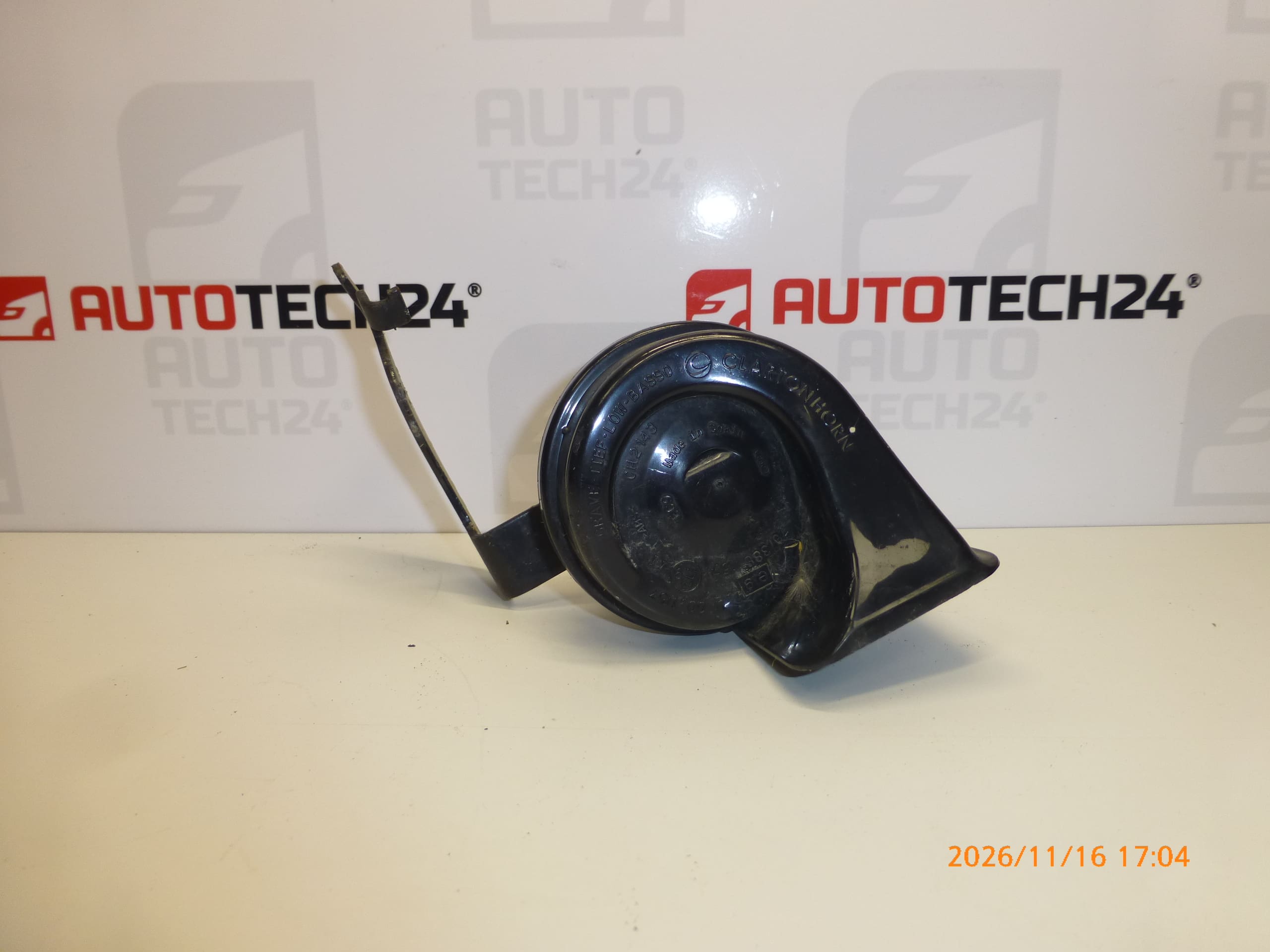
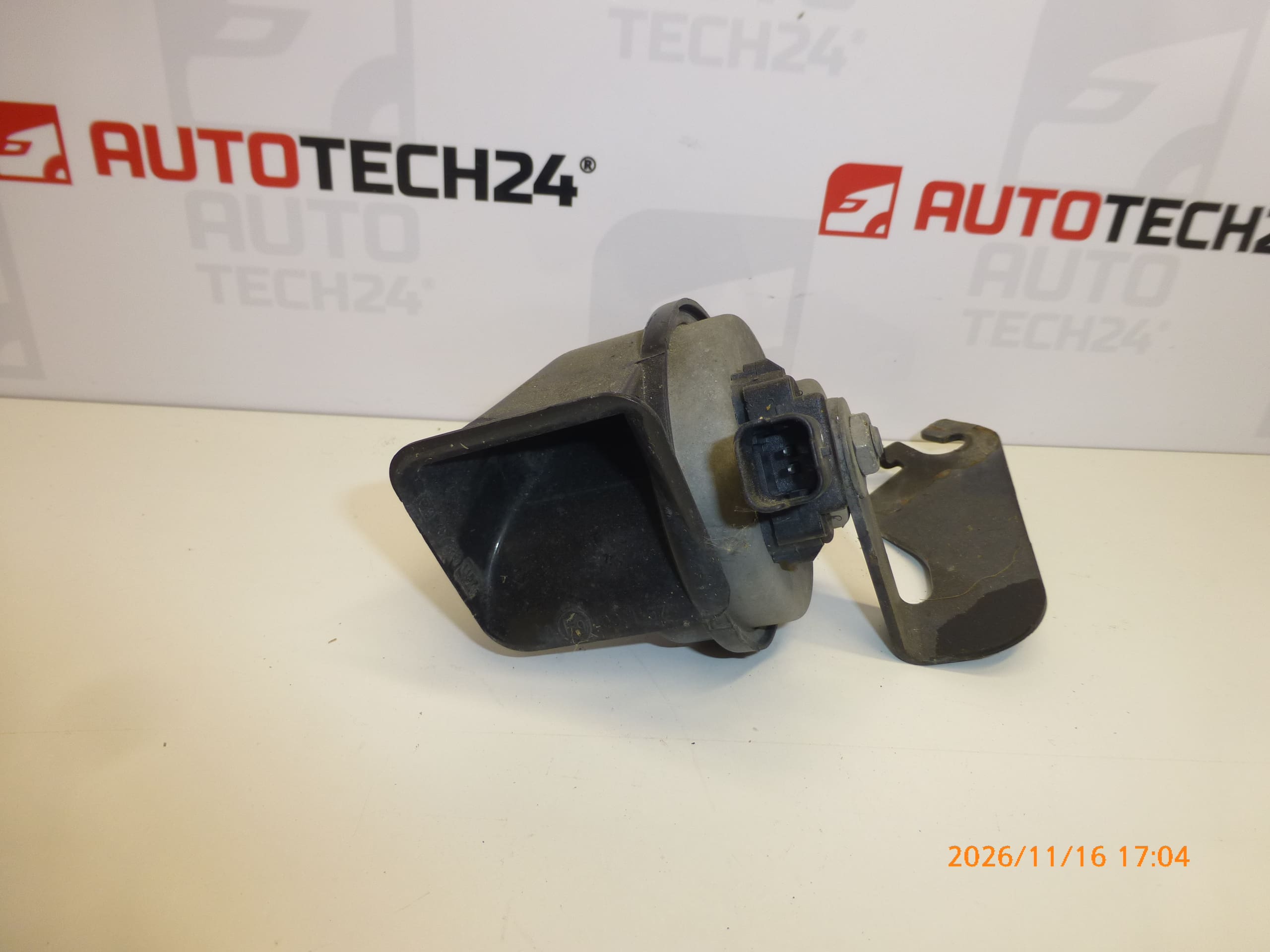
Sound horn for Citroën, Peugeot and other Stellantis models. With body mounting bracket.
High-quality 12V vehicle horn with an integrated mounting bracket, designed as a direct replacement for multiple Stellantis applications. This horn restores a clear, authoritative signal required for safe road use and is commonly searched by OE numbers 9827899180 and 9858832880. Suitable for professional workshops and skilled DIYers, the part is an easy-fit solution when the original horn shows signs of wear or electrical failure.
Compatibility
Commonly fitted to:
How It Works
The horn is an electromagnetic device powered by the vehicle 12V electrical system. When the horn button is pressed, a relay supplies current to the horn coil, causing a diaphragm to vibrate and produce the audible sound. The included steel bracket secures the horn to the body or chassis, using the vehicle ground for return.
Replacement Procedure
- Park the vehicle on a level surface and disconnect the negative battery terminal to avoid short circuits during work.
- Locate the horn—typically mounted behind the front grille, under the bumper, or on the radiator support depending on the model.
- Unplug the electrical connector and remove the mounting bolt(s) holding the horn bracket to the body.
- Fit the replacement horn with the bracket to the original mounting point. Ensure the mating surfaces are clean for a good ground connection.
- Tighten bolts to secure the horn but avoid over-torquing. Reconnect the electrical connector and the battery, then test the horn.
- If the horn does not sound, check the corresponding fuse, horn relay, and connector for corrosion or damage before replacing additional components.
Technical Information
- Manufacturer: Stellantis (Citroën / Peugeot)
- Model: Citroën Berlingo K9; Peugeot Rifter; Fiat Doblo III; Opel Combo E K9; Toyota ProAce City
- Product Codes: 9827899180, 9858832880
- Other Numbers: 9827899180 | 9858832880
Mounting Recommendations
Always disconnect the battery before starting electrical work. Use the original mounting point and hardware where possible to preserve correct horn orientation and grounding. Clean mating surfaces to ensure a reliable chassis ground. Inspect the wiring connector for corrosion and replace or clean it if necessary. After installation, verify function and listen for unusual noises that could indicate incorrect mounting or a defective unit.
Reasons For Failure
Horn failure is usually caused by one or more of the following:
- Corrosion or water ingress into the horn body or electrical connector, especially on vehicles driven in wet or coastal environments.
- Mechanical wear or fatigue of the internal diaphragm after many years of use.
- Electrical issues such as a blown fuse, faulty horn relay, damaged wiring, or a poor ground connection.
- Physical damage from road debris or impacts that bend the bracket or damage the horn housing.
For workshops: When diagnosing a dead horn, check the fuse and relay first, then supply 12V directly to the horn to confirm the unit itself is operational before replacing wiring or control elements.