Description
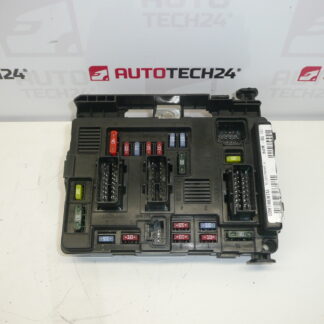
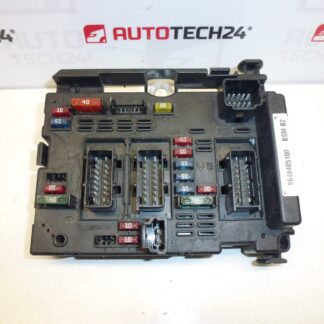
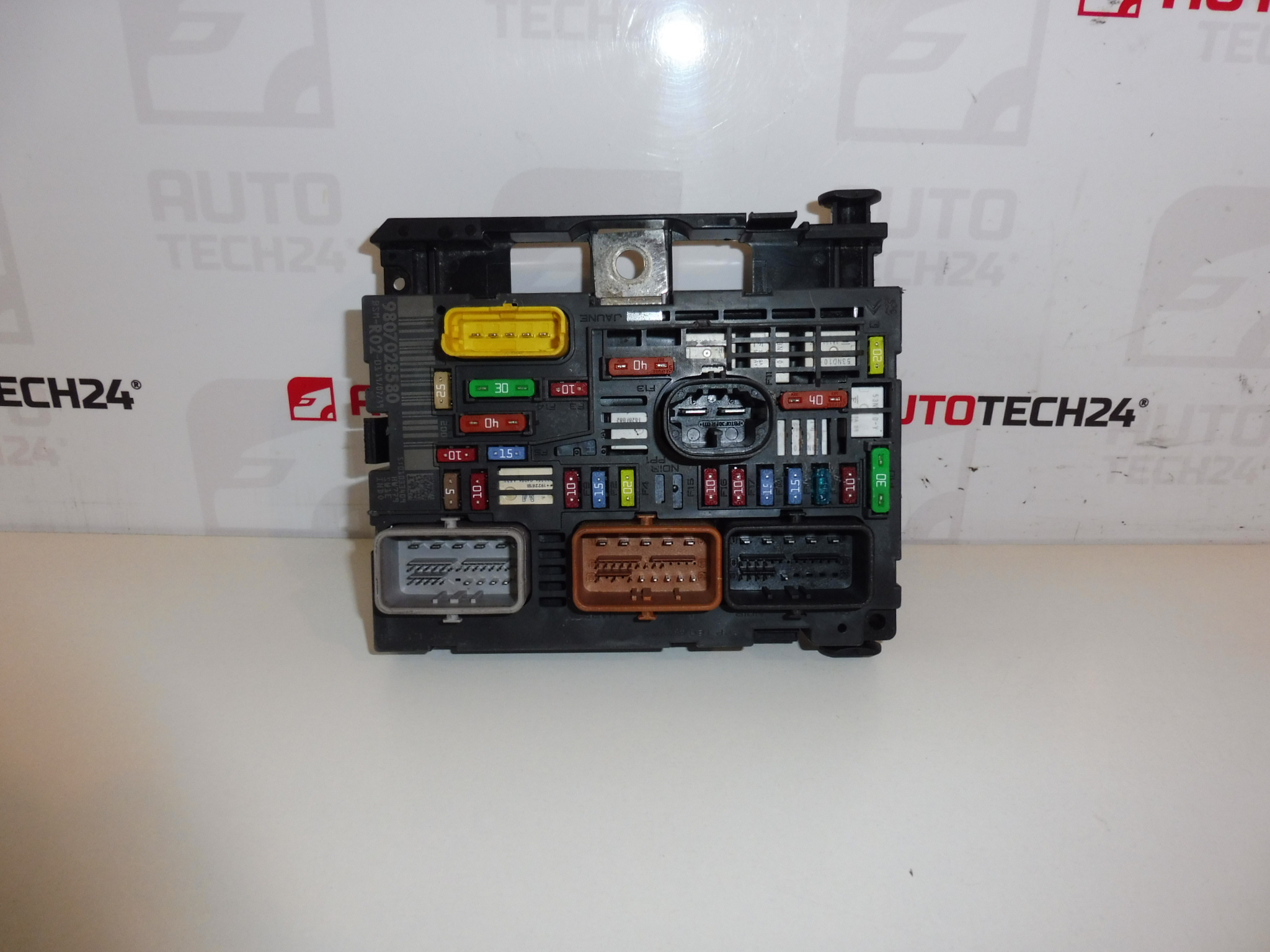
BSM R02 DELPHI for Citroën and Peugeot vehicles. Has a cracked side guide on the housing which does not affect functionality. The unit is fully functional.
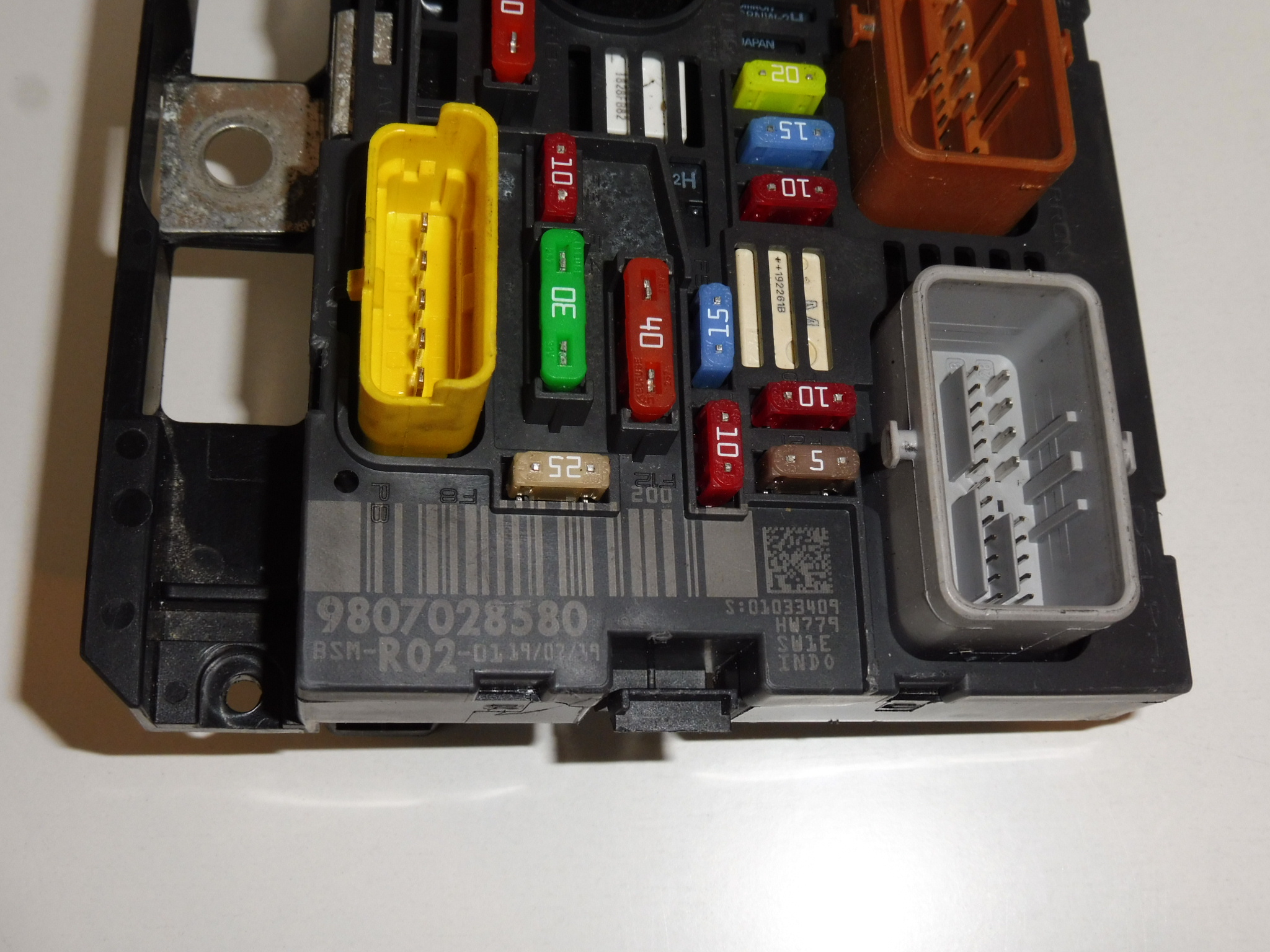
High-quality used BSM R02 (Delphi) ideal for professional workshops and DIY mechanics looking for a reliable replacement Body System Module for select Citroën and Peugeot models. This unit controls multiple body electrical functions (lighting, wipers, relays and power distribution) and is identified under common part numbers 9807028580 / 6500FQ / 6500HK. Although the housing shows a cracked side guide that is purely cosmetic, the module is fully operational. Supplied as a direct-fit used spare, it increases the chance of quick fault resolution on vehicles exhibiting intermittent body electrics, blown fuses or non-responsive accessories.
Technical Information
- Manufacturer: Delphi
- Model: BSM R02 (Body System Module)
- Product Codes: 9807028580, 6500FQ, 6500HK
- Other Numbers: BSM R02
Installation Recommendations
Always perform installation in a dry, static-free environment. Recommended basic steps:
- Disconnect the vehicle battery before starting work to avoid short circuits and protect electronics.
- Locate the BSM (typically positioned in the engine bay or close to the fuse/relay box under a protective cover) and remove any trim or fasteners.
- Carefully unplug all electrical connectors and mark or photograph connector positions if needed to ensure correct reassembly.
- Replace the unit, reconnect connectors firmly, refit covers and secure fasteners to the original torque specification where applicable.
- Reconnect the battery and verify all body functions (lights, indicators, wipers, central locking, etc.). Check related fuses and relays after installation.
In some vehicles, replacing a body module can require diagnostic verification, parameter adaptation or coding to restore full functionality with the vehicle CAN network and immobilizer system. If any functions remain inoperative after fitting, use a suitable PSA diagnostic tool or consult an experienced technician.
Why This Part Most Often Fails
- Water ingress and corrosion causing electrical faults in connectors or PCB tracks.
- Thermal stress from repeated heating and cooling cycles leading to solder joint or component failure.
- Electrical surges, short circuits or poor earth connections that overload internal electronics.
- Mechanical damage to the housing or connectors (the supplied unit has a cosmetic crack on the side guide which does not affect function).
- Age-related wear and degraded components after many years in service.
Fitment / Compatible Models
- Citroën C4 Picasso
- Peugeot 3008 I
- Peugeot 5008 I
Keywords: BSM R02, Delphi BSM, 9807028580, 6500FQ, 6500HK, Citroën C4 Picasso BSM, Peugeot 3008 BSM, Peugeot 5008 BSM, Body System Module.