Description
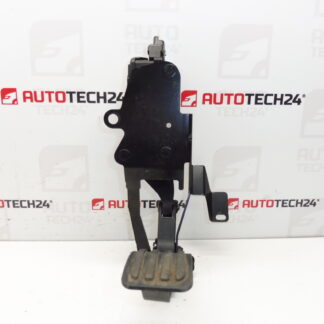
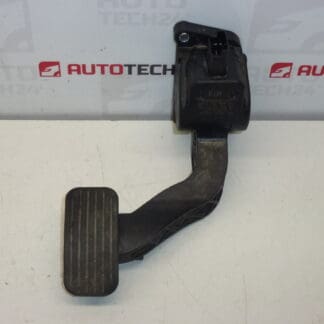
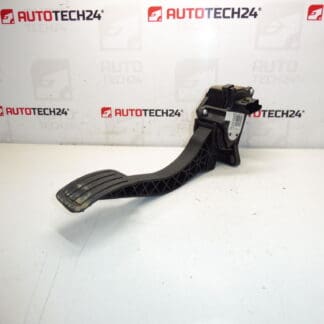
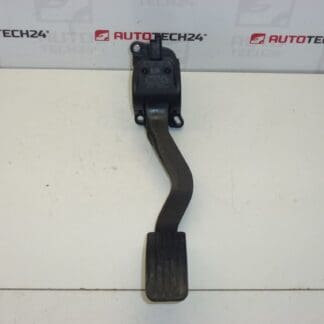
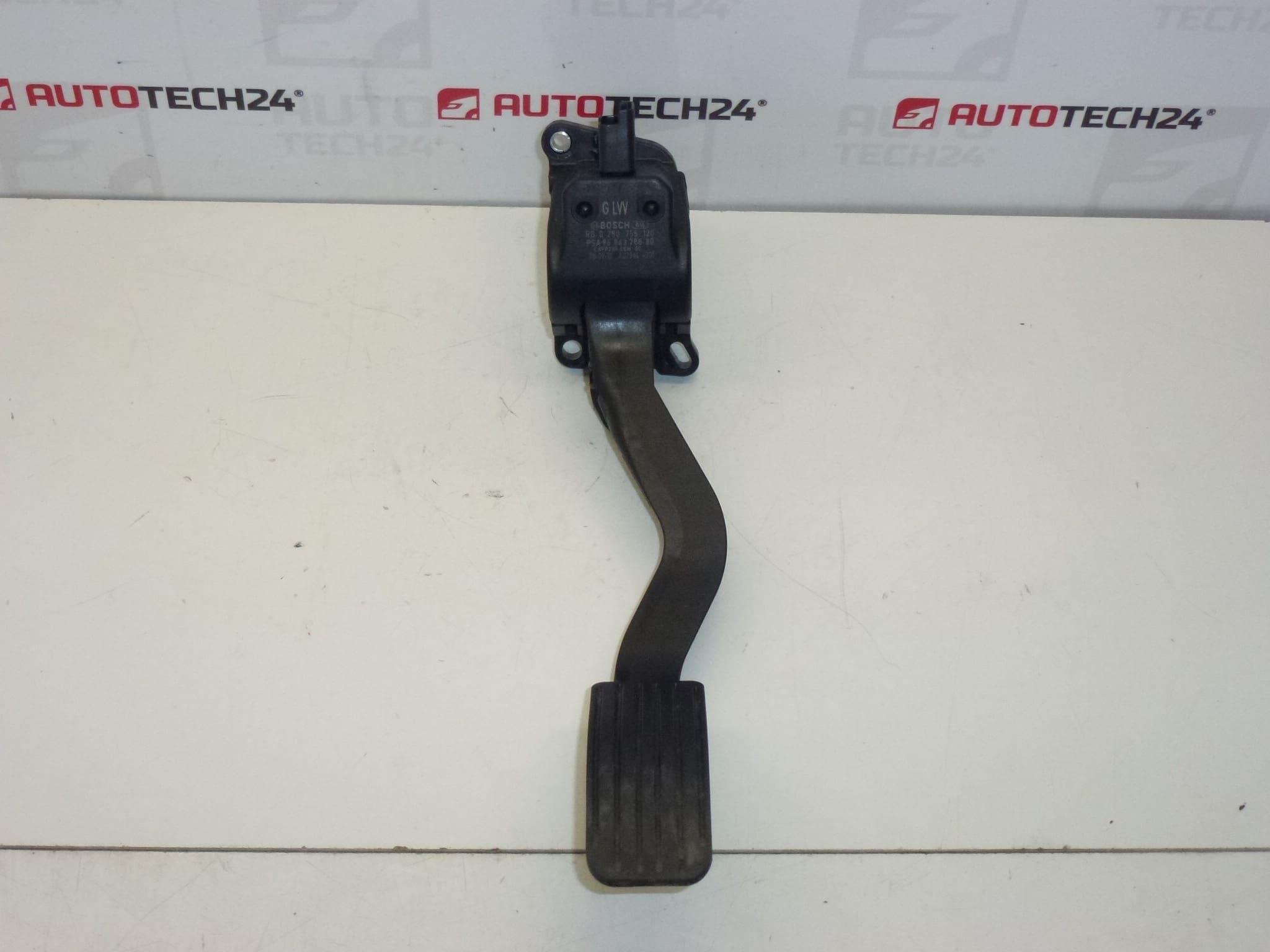
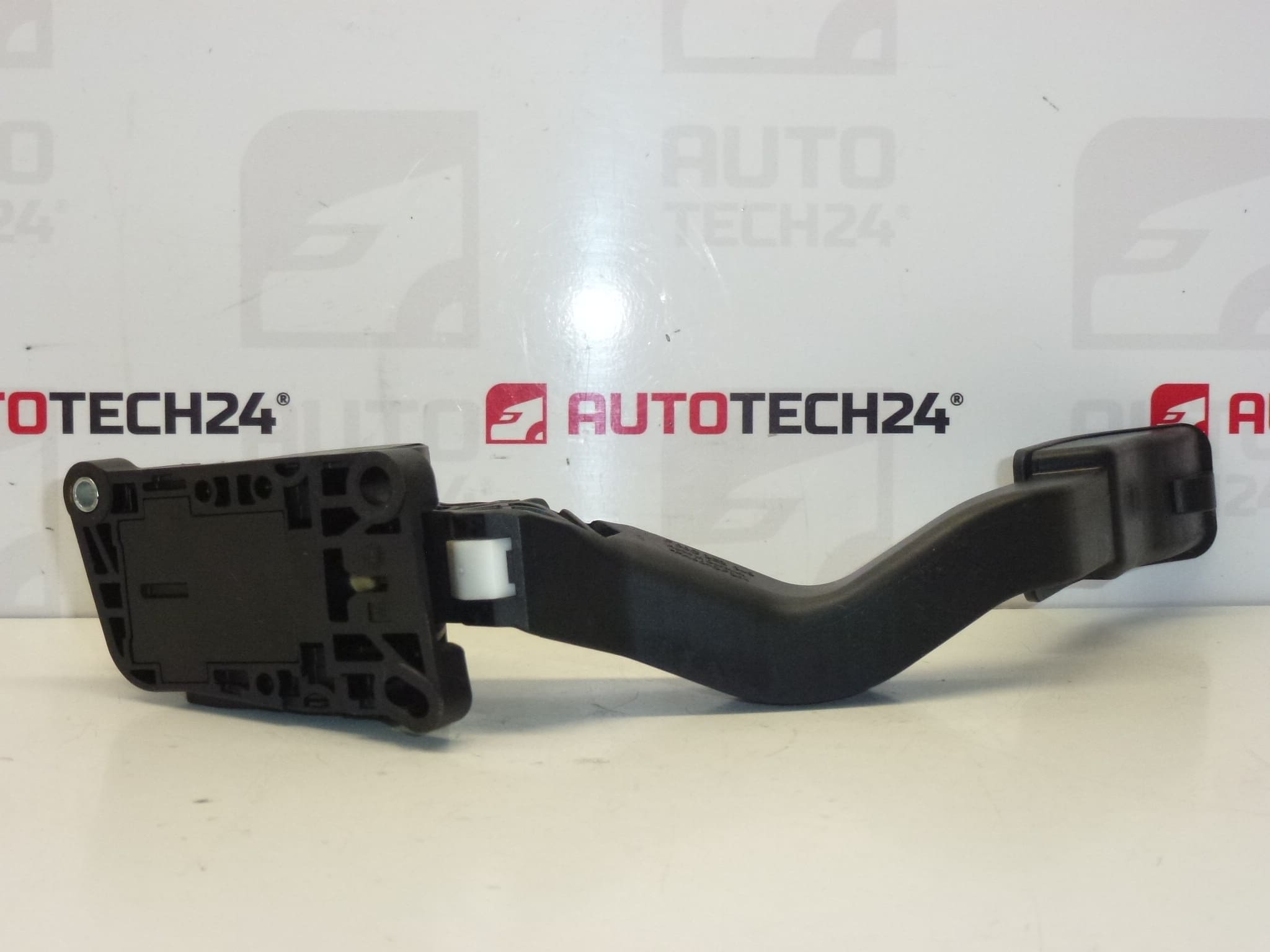
Throttle pedal for Citroën and Peugeot vehicles. It is from Citroën C4 I.
The Bosch electronic throttle pedal is a direct replacement part designed for drive-by-wire systems used on Citroën and Peugeot models. It translates driver input into an electrical signal that the engine control unit (ECU) or throttle control module uses to regulate engine power. Built with an integrated position sensor (potentiometer / hall sensor array), this pedal assembly provides a precise and repeatable signal for smooth throttle response and improved drivability.
Function And Benefits
This assembly measures the pedal position and sends an electrical signal to the vehicle’s ECU, eliminating the mechanical linkage between the pedal and throttle body. Benefits include faster response, easier integration with traction and stability control systems, and more accurate idle and cruise control management. Replacing a worn or faulty pedal restores correct throttle mapping and prevents limp-home modes caused by erratic or missing signals.
Fitment & Compatibility
Primary Fitment: Citroën C4 I (First Generation). The unit carries Bosch and Stellantis cross-reference numbers and is commonly used on vehicles from the Citroën/Peugeot family that share the same pedal part number. Always check the part numbers listed below when searching for compatibility or ordering.
Technical Information
- Manufacturer: Bosch / Stellantis (Citroën / Peugeot)
- Model: Citroën C4 I (First Generation)
- Product Codes: 0280755120
- Other Numbers: 9684378880, 1601Z2, 1601CQ, 1601.CQ, 1601.Z2, 280755120
Replacement Procedure
- Disconnect the battery before beginning work to avoid electrical damage.
- Remove any lower dash trim or footwell covers to access the pedal assembly.
- Unplug the electrical connector and inspect the plug and wiring for corrosion or damage.
- Remove the mounting bolts securing the pedal to the bracket and take out the old unit.
- Install the new pedal, torque bolts to the manufacturer’s specification, and reconnect the electrical connector.
- Reconnect the battery and perform throttle adaptation / relearn procedure using a diagnostic tool as required by the vehicle (clear related fault codes and confirm proper signal values).
Mounting Recommendations
Always follow the vehicle manufacturer’s service manual for removal and installation procedures. Ensure connectors seat fully and locking tabs are engaged. Inspect and, if necessary, repair damaged wiring or corroded terminals before completing installation. After replacement, perform a diagnostic scan, clear any stored throttle position faults and run the throttle learning procedure to restore normal drive-by-wire operation.
Most Common Failure Reasons
Electronic throttle pedals typically fail due to wear of the internal sensing elements, contamination (dirt, moisture), connector corrosion, or intermittent wiring faults. Symptoms of a failing pedal include inconsistent throttle response, hesitation, sudden loss of throttle signal, illuminated engine or throttle warning lights, or the vehicle entering limp-home mode. Mechanical damage from impact or improper handling during service can also cause failure.
Practical Notes For Mechanics And DIYers
- These parts are often searched by product number — use the codes above when sourcing replacements.
- Inspect the wiring harness and connector for heat damage or pin corrosion before fitting a new pedal to avoid repeated failures.
- Whenever possible, perform post-installation checks with a diagnostic scanner to verify pedal position voltage/signal at rest and during travel.
- If the vehicle shows persistent faults after replacement, check related modules and wiring for shorts or open circuits.