Description
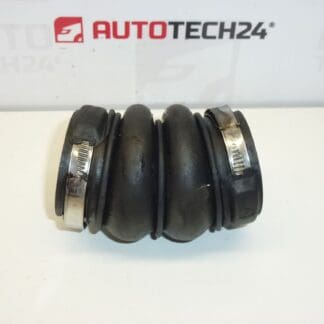
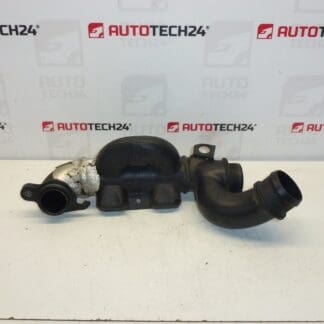
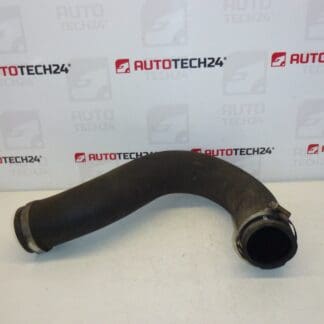
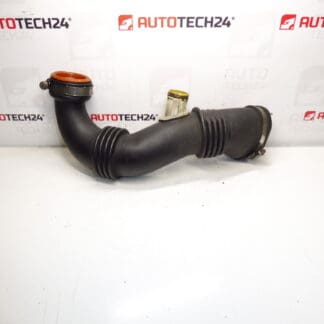
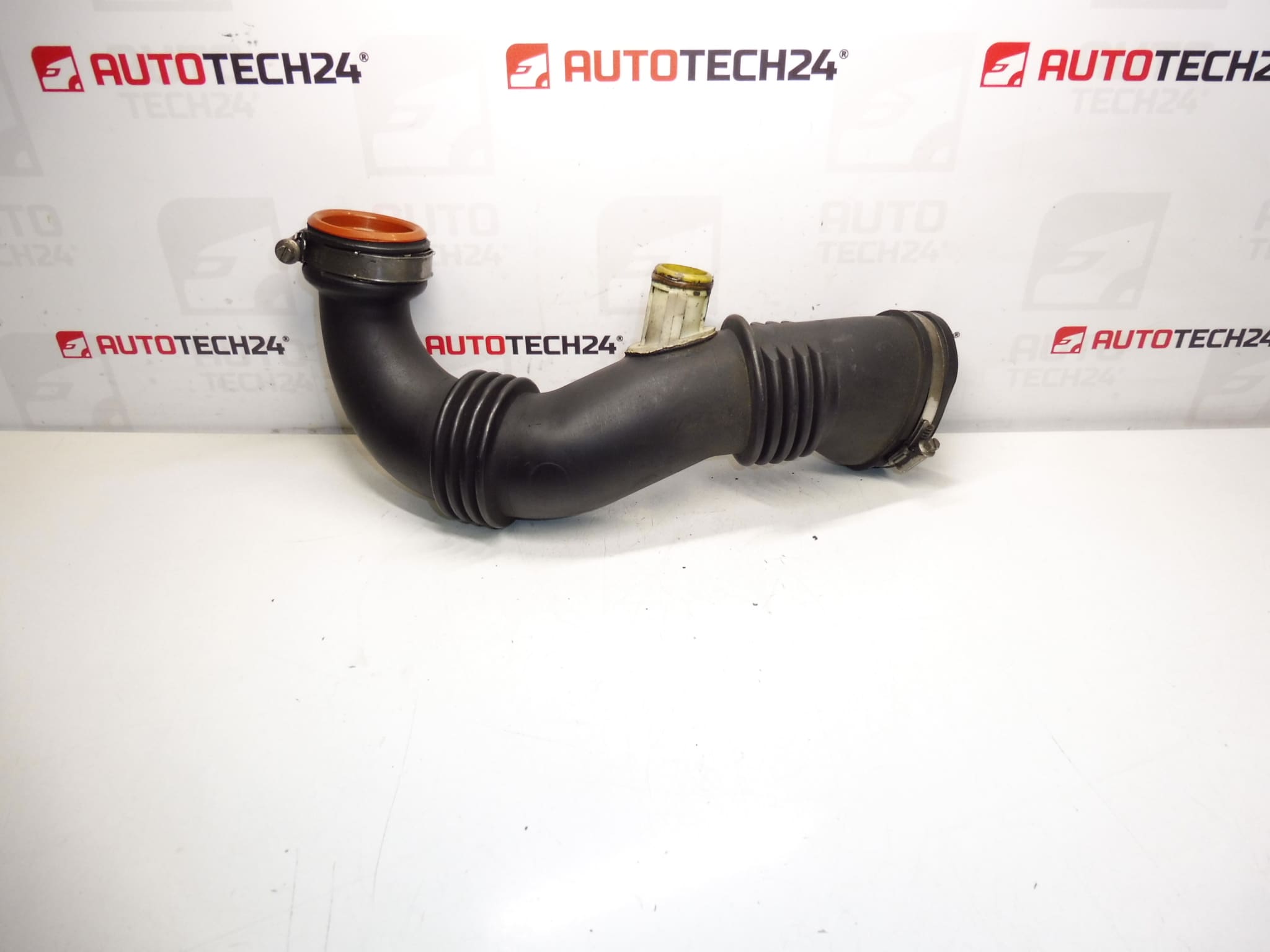
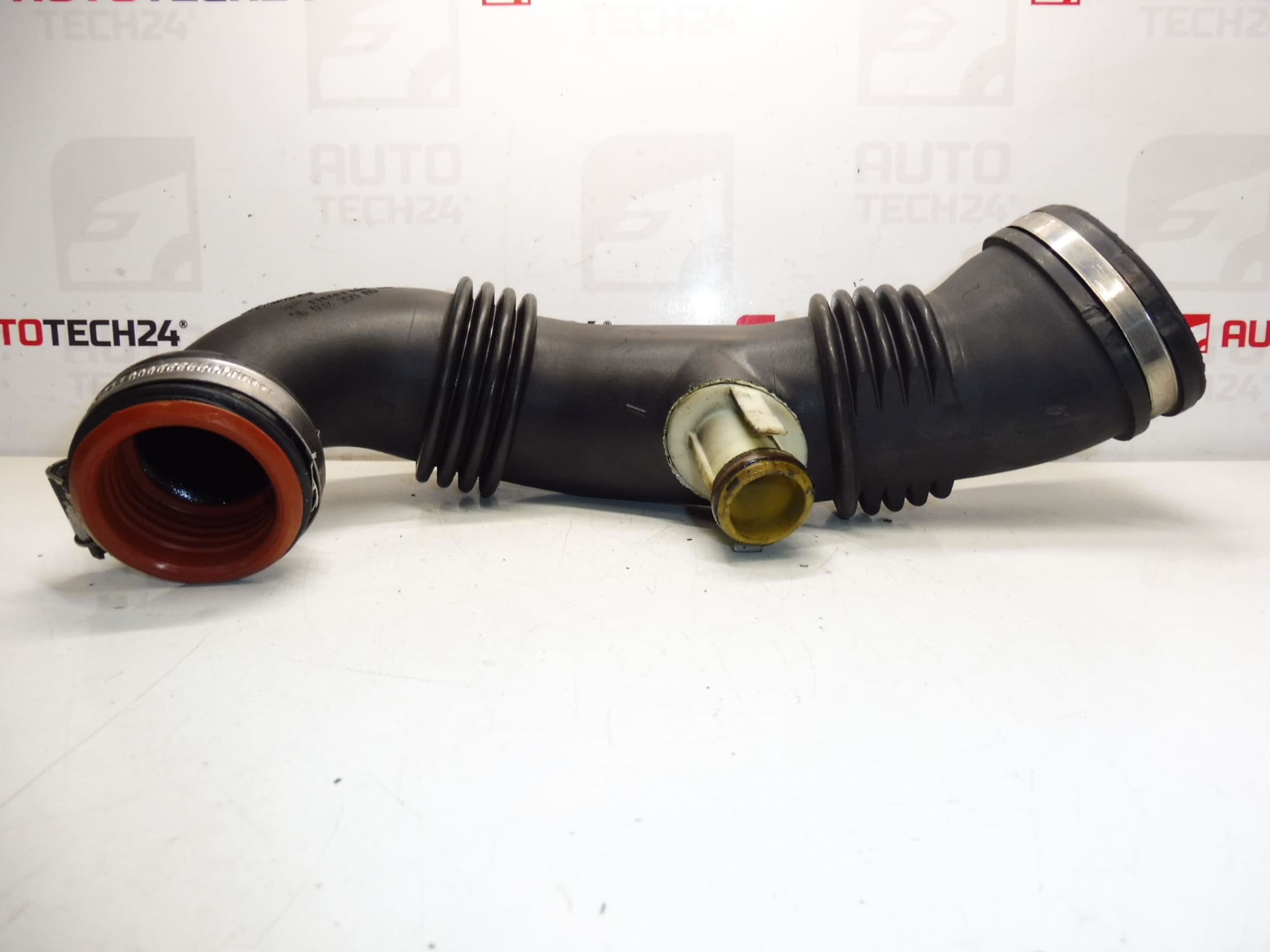
Turbo inlet hose, air intake connection for 1.6 HDi engines for Citroën and Peugeot vehicles.
Function And Application
This turbo inlet hose connects the air intake system to the turbocharger compressor inlet on 1.6 HDi diesel engines. It guides filtered air into the turbo, preserves boost pressure and ensures stable airflow to the engine management system. A correctly functioning inlet hose is essential for proper turbo response, engine power and fuel efficiency.
Technical Information
- Manufacturer: Stellantis (Citroën / Peugeot)
- Model: 1.6 HDi Engines (used on various Citroën and Peugeot models)
- Product Codes: 9683735980, 143453, 1434E1
- Other Numbers: 14340
Compatible Models
- Citroën Berlingo
- Citroën C2
- Citroën C3
- Citroën C3 Picasso
- Citroën C4
- Citroën C5
- Citroën C5 X7
- Citroën Xsara Picasso
- Peugeot 307
- Peugeot Partner
How To Replace
- Allow The Engine To Cool And Relieve Any Residual Boost Pressure.
- Locate The Turbo Inlet Hose Between The Airbox/Intercooler And The Turbo Compressor Inlet.
- Loosen Hose Clamps Or Remove Fasteners Securing The Hose Ends; Carefully Detach Any Attached Vacuum Or Sensor Lines.
- Remove The Old Hose, Inspect Adjacent Components (Intercooler, Turbo Flange, Clamps) For Damage Or Oil Residue.
- Fit The New Hose Making Sure Ends Seat Correctly On Flanges Or Pipes; Reuse Or Replace Clamps With Correct Type And Tighten Evenly.
- Reattach Any Vacuum/Sensor Lines, Start The Engine And Check For Hissing, Boost Leaks And Proper Throttle Response.
Installation Recommendations
- Use Correct-Size Hose Clamps And Replace Any Corroded Fasteners.
- Inspect Turbocharger And Intercooler For Oil Leaks Prior To Installation.
- Ensure All Connections Are Clean And Free Of Debris To Prevent Premature Wear.
- After Installation, Perform A Road Test Under Load To Verify There Are No Boost Leaks.
Most Common Failure Causes
- Heat And Age-Related Degradation Of The Rubber/Elastomer Material Leading To Cracks Or Softening.
- Oil Contamination From Turbo Seals Or PCV System Causing Swelling And Softening.
- Overboost Or Excessive Pressure From Turbo Faults Causing Hose Detachment Or Rupture.
- Loose Or Damaged Clamps Allowing Air Leaks Under Boost.
- Physical Damage From Engine-Bay Contact Or Improper Previous Installation.
How To Recognize A Faulty Hose
Typical symptoms include Reduced Boost/Power, Poor Acceleration, Whistling Or Hissing Sounds Under Acceleration And Irregular Idle. In some cases, the Engine Control Unit May Register Faults Related To Air Flow Or Turbo Performance.
Search Tip: This part is commonly searched by product numbers 9683735980, 143453 and 1434E1 — using these codes in searches often returns direct matches for replacement parts.
Why Choose This Part
Designed For Direct Fitment To 1.6 HDi Systems, This Inlet Hose Restores Proper Airflow And Boost Integrity. Whether You Are A Professional Technician Or A Competent DIY Mechanic, Replacing A Deteriorated Turbo Inlet Hose Is A Cost-Effective Way To Recover Engine Performance And Prevent Further Turbocharger Issues.