Description
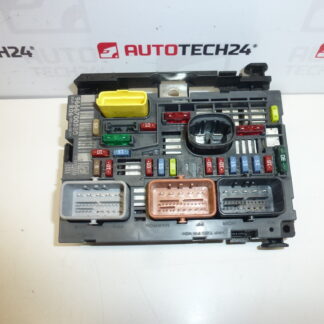
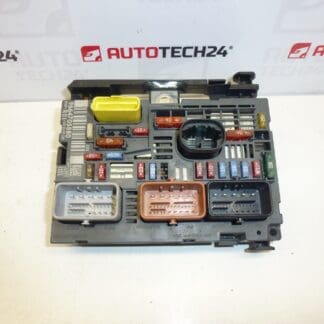
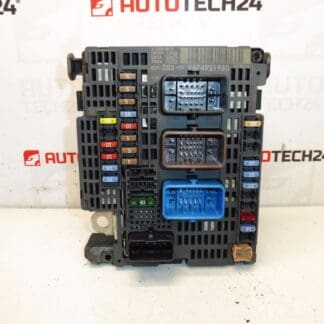
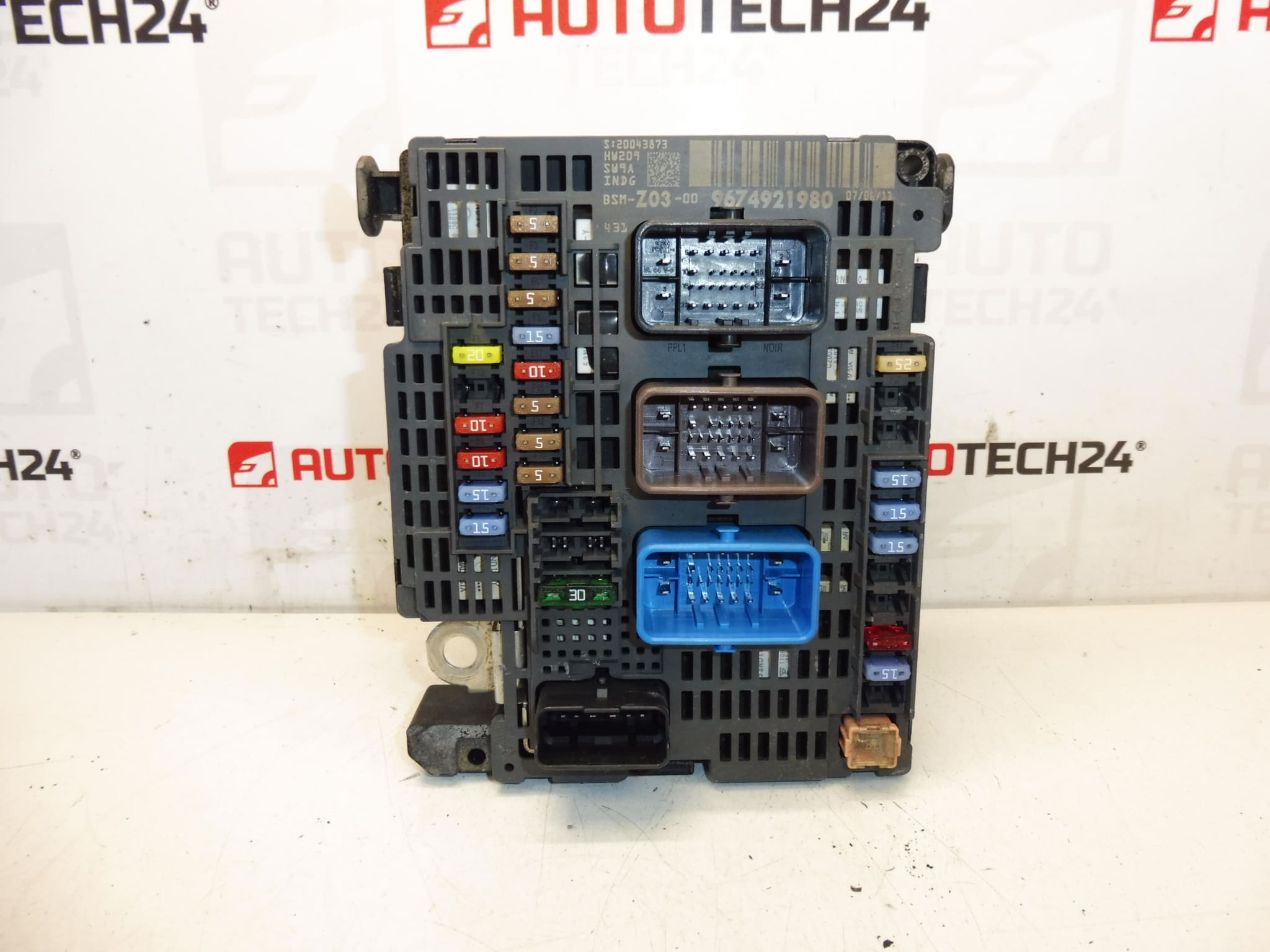
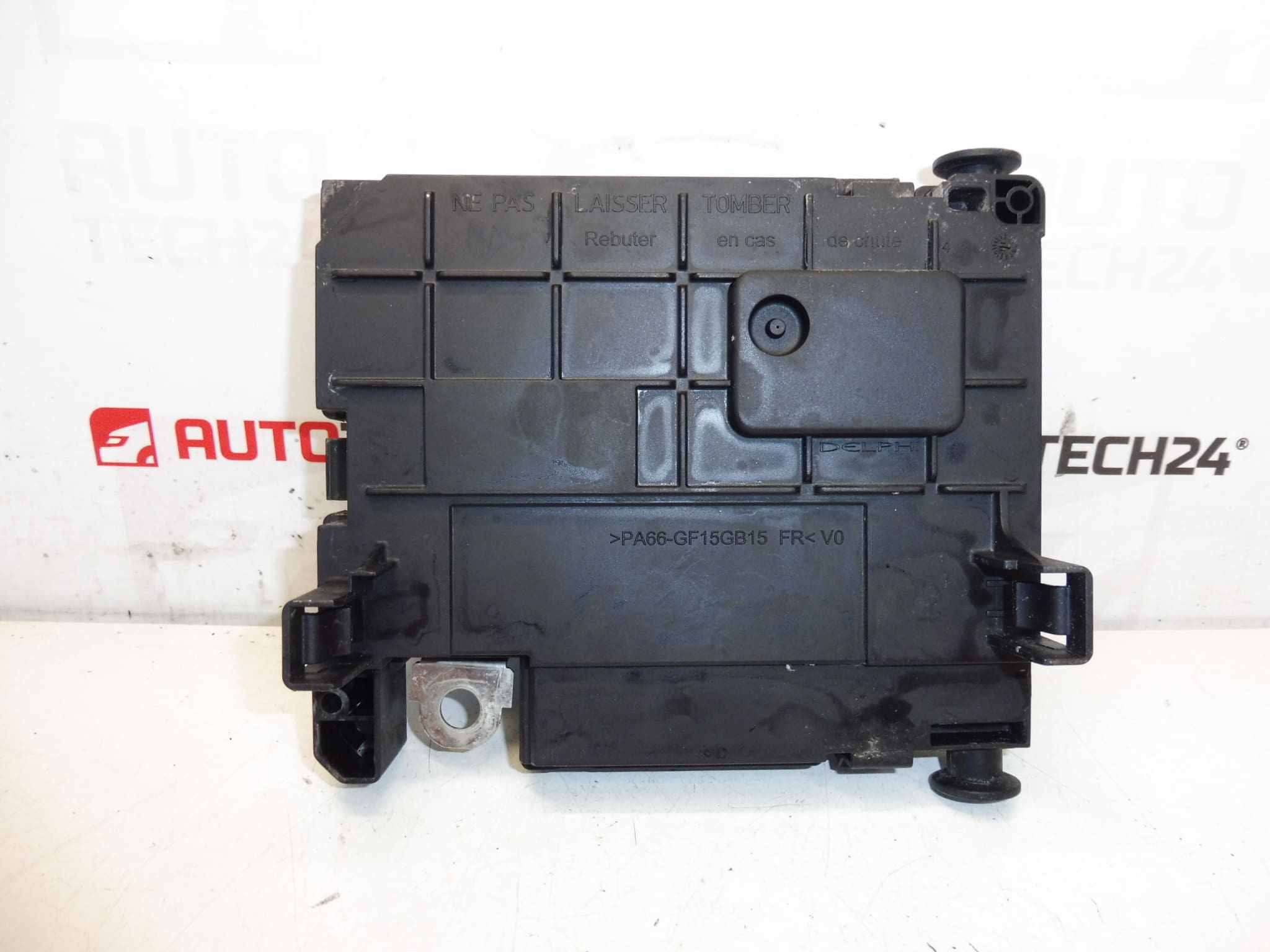
BSM control unit suitable for PEUGEOT 508 cars
Part description
The used BSM control unit for Citroën and Peugeot cars is an important electrical component of the engine compartment. This particular part is listed in the documents as suitable for the PEUGEOT 508 and is searched mainly according to the original part numbers. It is a practical choice for auto mechanics and home repairers when replacing a damaged or non-functional unit.
The BSM unit ensures the distribution and management of electrical circuits within the relevant part of the vehicle. When choosing, it is therefore essential to carefully compare the markings on the original and offered part, including all the codes listed. Thanks to this, problems during assembly and subsequent operation can be avoided.
Technical information
- Manufacturer: Stellantis Citroën Peugeot
- Model: Peugeot 508
- Other numbers: 9674921980, 9807428180, 6500KH
Product codes
- Product codes: 9674921980, 9807428180, 6500KH
- Model designation from labels/backgrounds: Puegeot 508, PEUGEOT 508
Installation recommendations
For the BSM unit, the exact replacement procedure depends on the specific design of the car and the access in the engine compartment. In general, the following recommended procedure is typical for this type of electrical part.
1) Before assembly
- Check that the product number and other markings on the original and new part match.
- Visually check the condition of the connectors, pins, plastic body and attachment points.
- Check the part for cracks, overheating, oxidation or mechanical damage.
- Before dismantling the old piece, it is advisable to take a picture of the connection of the connectors and the wiring.
2) Necessary tools and materials
- Basic set of hand tools
- Suitable tools for removing covers and fixing
- Cleaning agent for electrical contacts
- Clean cloth or soft brush
- Protective gloves
3) Step-by-step assembly procedure
- Turn off the ignition and leave the vehicle in idle mode.
- Disconnect the battery according to normal service practice for working with electrical components.
- Provide access to the original BSM unit by removing covers or obstructing parts if they are in the way.
- Carefully mark or document the location of each connector.
- Disconnect the electrical connectors carefully so as not to damage the latches or pins.
- Unfasten the unit and remove the old part.
- Compare the old and new unit by numbers, connectors, shape and mounting points.
- If necessary, gently clean the contact points and check the condition of the wiring.
- Sit the new part into place and fasten it without excessive stress on the plastic parts.
- Connect all connectors in the correct order and make sure they are fully secured.
- Reinstall all covers and previously removed parts.
- Connect the battery and perform a basic electrical function check.
-
4) Post-assembly checks and test drive/function verification
- Check for power outages or abnormal electrical circuit behavior after connecting the battery.
- Verify the operation of systems related to power and fuses in that part of the car.
- Perform a short check of the vehicle’s function in normal operation and observe whether new faults appear.
- After the inspection, double-check the correct seating of the connectors and the fastening of the unit.
5) The most common assembly mistakes + how to avoid them
- Replacing connectors – document everything before disassembly and connect the connectors systematically.
- Part Code Mismatch – Always compare all numbers listed, not just one major designation.
- Damage to latches and pins – never disconnect connectors by force.
- Installation in a dirty or damp area – clean the surroundings and contact surfaces before installation.
- Omission to check wiring – if the problem is in the lead or connector, replacing the unit alone may not fix the problem.
Reasons why the part is damaged
- Moisture, oxidation and long-term leakage into the electrical part
- Overheating, voltage fluctuations or other problems in the vehicle’s electrical installation
- Damage to connectors, cabling or contacts due to improper handling
- Short circuit in one of the connected circuits
- Mechanical damage during disassembly, assembly or after an accident
- Normal wear and tear of material