Description
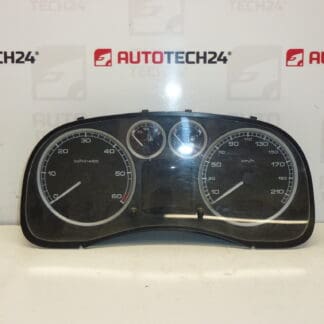
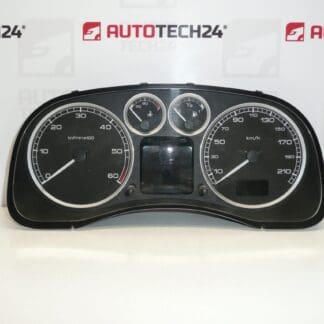
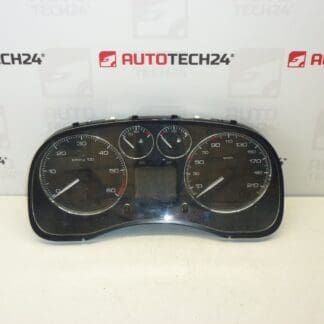
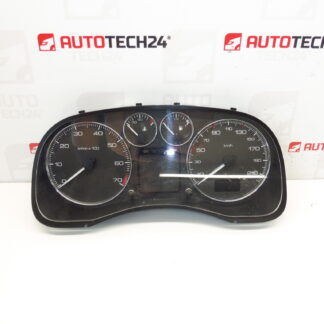
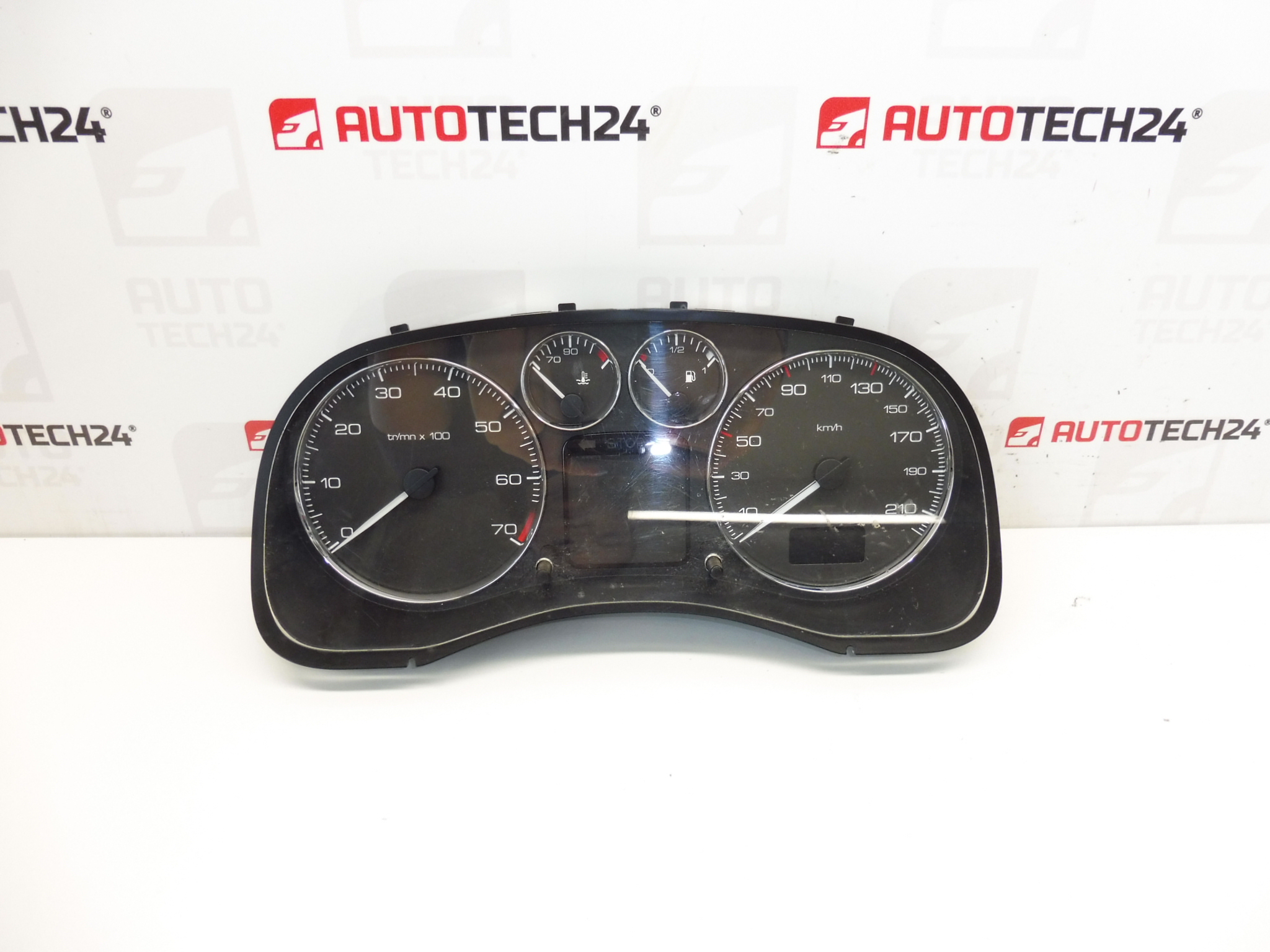
Tachometer for PEUGEOT 307 facelift. From a vehicle with 192,000 km.
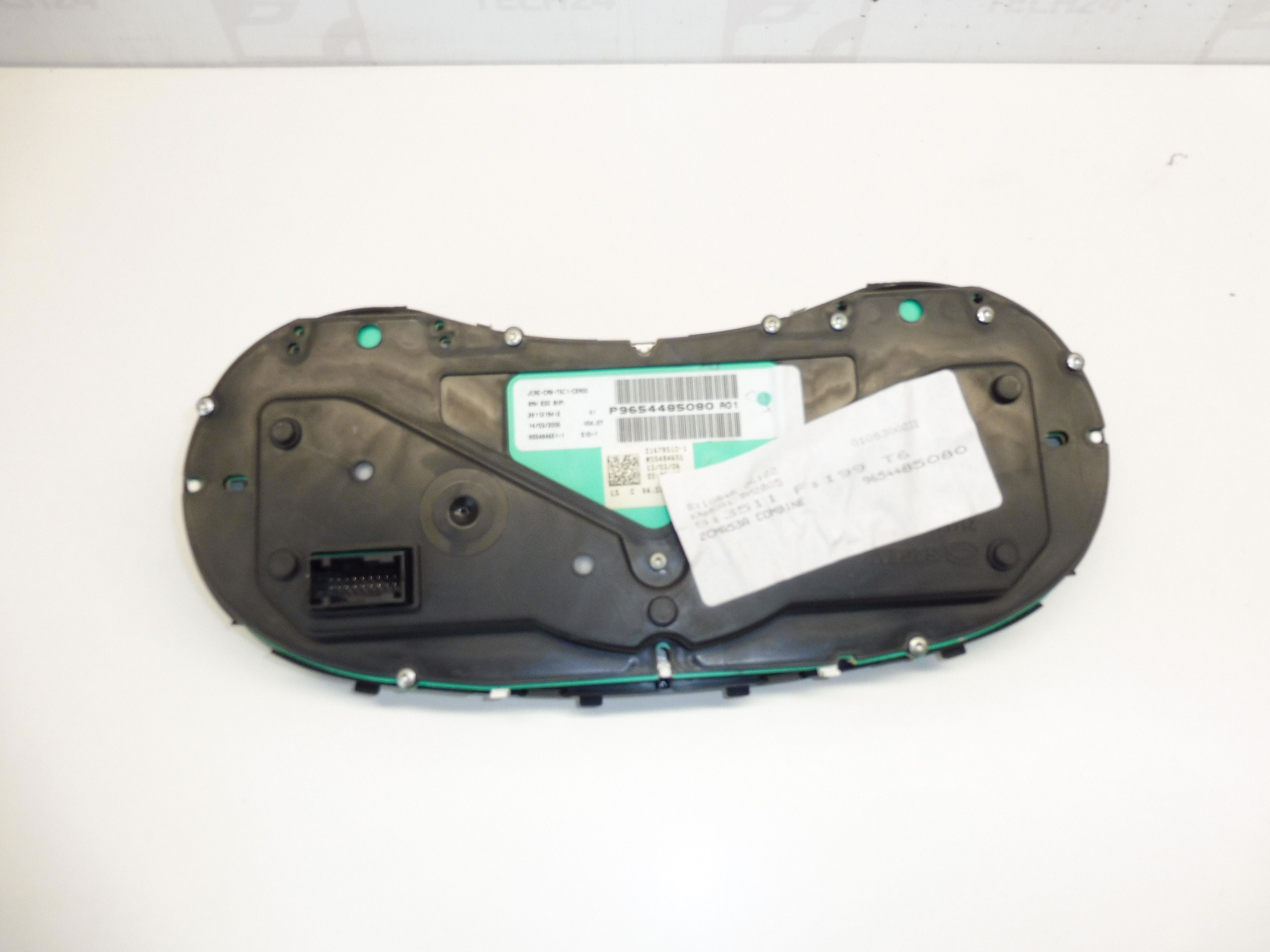
This used instrument cluster is a direct-fit speedometer/tachometer assembly removed from a Peugeot 307 facelift. It carries original manufacturer product codes and is ideal for mechanics and DIY enthusiasts looking for an OEM replacement part for Phase 2 307 dashboards. Commonly referenced by part numbers, this cluster is a cost-effective solution when repairing a non-functional or intermittent instrument panel.
Technical Information
- Manufacturer: Stellantis (Citroën/Peugeot)
- Model: Peugeot 307 (Facelift / Phase 2)
- Product Codes: 9654485080, 6103L5
- Additional Numbers: 6105T0
- Mileage: 192,000 km
Fitment
Intended For: Peugeot 307 (Facelift / Phase 2) instrument clusters. Often searched by the listed product codes. Always verify the part numbers against the original unit when possible.
Product Description And Function
The instrument cluster houses the speedometer, tachometer (RPM), odometer/trip counters, fuel gauge, warning indicators and backlighting. It receives signals from vehicle sensors and the vehicle network to present driver information and fault warnings. Symptoms of a faulty cluster can range from dead needles or flickering backlight to inaccurate odometer readout or intermittent warning lights.
Replacement Procedure
Typical replacement steps for a Peugeot 307 cluster:
- Disconnect The Battery Before Starting To Prevent Short Circuits And Protect Electronics.
- Remove Trim Panels Surrounding The Steering Column And Dashboard To Access The Cluster.
- Unscrew The Fixing Screws Securing The Cluster To The Dashboard.
- Gently Pull The Cluster Forward And Disconnect The Electrical Connectors.
- Install The Replacement Cluster By Reversing The Removal Steps. Check All Connections Are Secure Before Reinstalling Trim And Reconnecting The Battery.
Note: After installation, some clusters may require coding or initialization to match immobilizer/vehicle settings. Professional diagnostic equipment (DiagBox/PSA tools) may be needed for adaptation of certain functions.
Why This Part Commonly Fails
- Aging Components: Stepper motors, printed circuit traces and solder joints can degrade over time, causing stuck or erratic needles and intermittent failures.
- Electrical Issues: Corrosion or loose connectors and poor grounding can produce flickering displays or loss of certain gauges.
- Backlight And Display Wear: Illumination bulbs or LCD segments may dim or fail, especially in higher-mileage vehicles.
- Moisture And Contamination: Water ingress or condensation can damage internal electronics and cause shorts.
Installation Recommendations
- Always Disconnect The Battery Before Removing Or Installing The Cluster.
- Handle The Unit Carefully To Avoid ESD Damage And Mechanical Shock To The Needles And Circuitry.
- Inspect Wiring Harnesses And Connectors For Corrosion Or Damage; Clean Contacts If Necessary.
- Test The Cluster Functionality (Lights, Needles, Odometer) Before Reassembling Dashboard Trim.
- If Coding Or Immobilizer Adaptation Is Required, Use Approved PSA Diagnostic Tools Or Have The Procedure Performed By A Professional.
Additional Notes For Mechanics And DIYers
Part numbers 9654485080, 6103L5 and 6105T0 are commonly used references when sourcing this component. This cluster is suitable for replacement projects where the physical fitment and connector layout match the original unit. If you are replacing a faulty instrument cluster, document settings (radio codes, trip records if needed) beforehand and follow manufacturer torque and removal instructions to avoid damaging trim or mounts.