Description
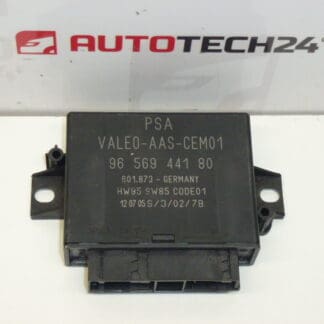
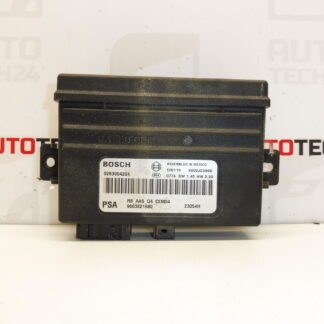
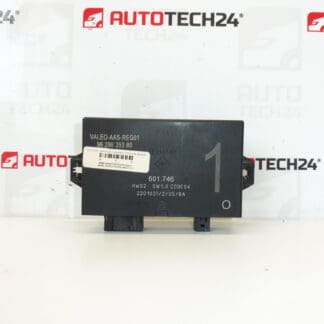
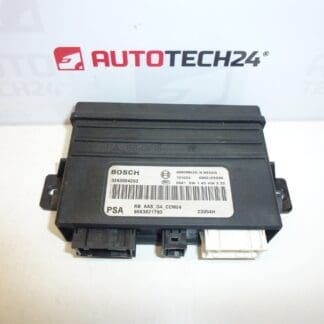
BOSCH parking assistant control unit for CITROEN PEUGEOT
cars
Front and rear sensors
Part description
The Bosch ECU for parking assistant is a control unit that processes signals from parking sensors and evaluates obstacles when parking. This used part is suitable as a replacement for parking assistant malfunctions, when the system does not work properly or behaves unstable. Due to the matching product codes, mechanics often search for it directly by the unit number.
Important: The unit is intended for parking assistant solutions with inputs for front and rear sensors (according to the documents).
Technical information
- Manufacturer: BOSCH
- Model: not specified
- Other numbers: 6590EE, 6590CZ, 6590EA, 6590GN, 6590GP
Product codes
- Product codes: 9663821780, 0263004203, 6590EC
Tags (models listed): Citroën C4 PICASSO, Citroen C5 X7, Peugeot 407
Installation recommendations
Generally/typically applies to the control units of the parking assistant (the exact procedure may vary according to the specific model and design of the car).
1) Before assembly
- Compare with the old part all codes (9663821780, 0263004203, 6590EC) and, if applicable, the alternative numbers listed.
- Check the connectors (number of pins, latches, damage), the condition of the surrounding harness, and whether the pins are oxidized or bent.
- Inspect the unit for signs of water ingress, corrosion and mechanical damage.
2) Necessary tools and materials
- Basic set of hand tools (ratchet/extension, screwdrivers according to the type of attachment)
- Plastic pry bar for removing covers/upholstery (according to design)
- Cleaner for electrical contacts, or a soft brush
- Diagnostics for PSA (for function check and possible adaptation)
3) Step-by-step assembly procedure
- Turn off the ignition and wait for the car to fall asleep (according to common practice at PSA).
- Disconnect the battery to avoid damaging the electronics.
- Access the parking assist unit (exact location varies by model).
- Document the connection (photo of connectors and cables) to avoid confusion during assembly.
- Unlock and disconnect the connectors – don’t pull on the wiring, just the connector body.
- Dismantle the unit mount and remove the old piece.
- Check and, if necessary, clean the contacts of the connectors with electrical cleaner, let them air out.
- Mount the new (used) unit in the holder and secure it in the original way.
- Connect the connectors and verify correct closing with the latches.
- Connect the battery, switch on the ignition and perform a basic check of the parking assistant function.
- Perform a check via diagnostics (unit/system status, possibly deleting saved events related to disconnection).
-
4) Post-assembly checks and test drive/function verification
- Verify that the parking assistant reacts to obstacles and that the front and rear sensors work (if fitted to the car).
- Check for system error messages and vibration/driving dropouts.
- If the behavior is still non-standard, focus on the sensors, wiring, connectors and possible signs of moisture in the installation.
5) The most common assembly mistakes + how to avoid them
- Not disconnecting the battery → risk of unit/communication damage; always disconnect before handling.
- Swapping or not clicking the connector → outages, communication errors; always push the connectors in and secure them with a lock.
- Ignoring pin oxidation → unstable function; check the contacts and gently clean them.
- Mismatch of product codes → malfunction; compare numbers before assembly.
Reasons why the part is damaged
- Moisture and corrosion in the connectors or where the unit is stored (leakage, condensation).
- Cabling damage or bad contact (loose pins, oxidation, broken wires).
- Surge/voltage fluctuation in the on-board network (weak battery, bad charging, inappropriate starting via cables).
- Sensor malfunction or their short circuit, which can put a long-term load on the parking assistant system.
- Mechanical damage to the unit during unprofessional disassembly/assembly or in an accident.