Description
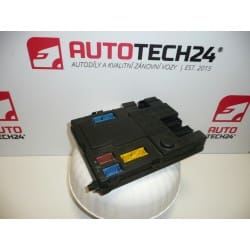
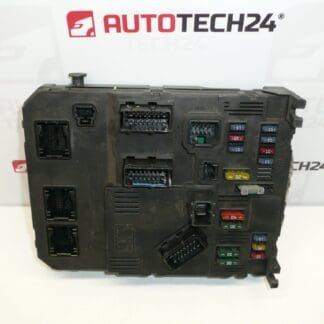
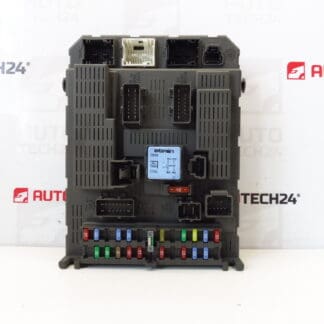
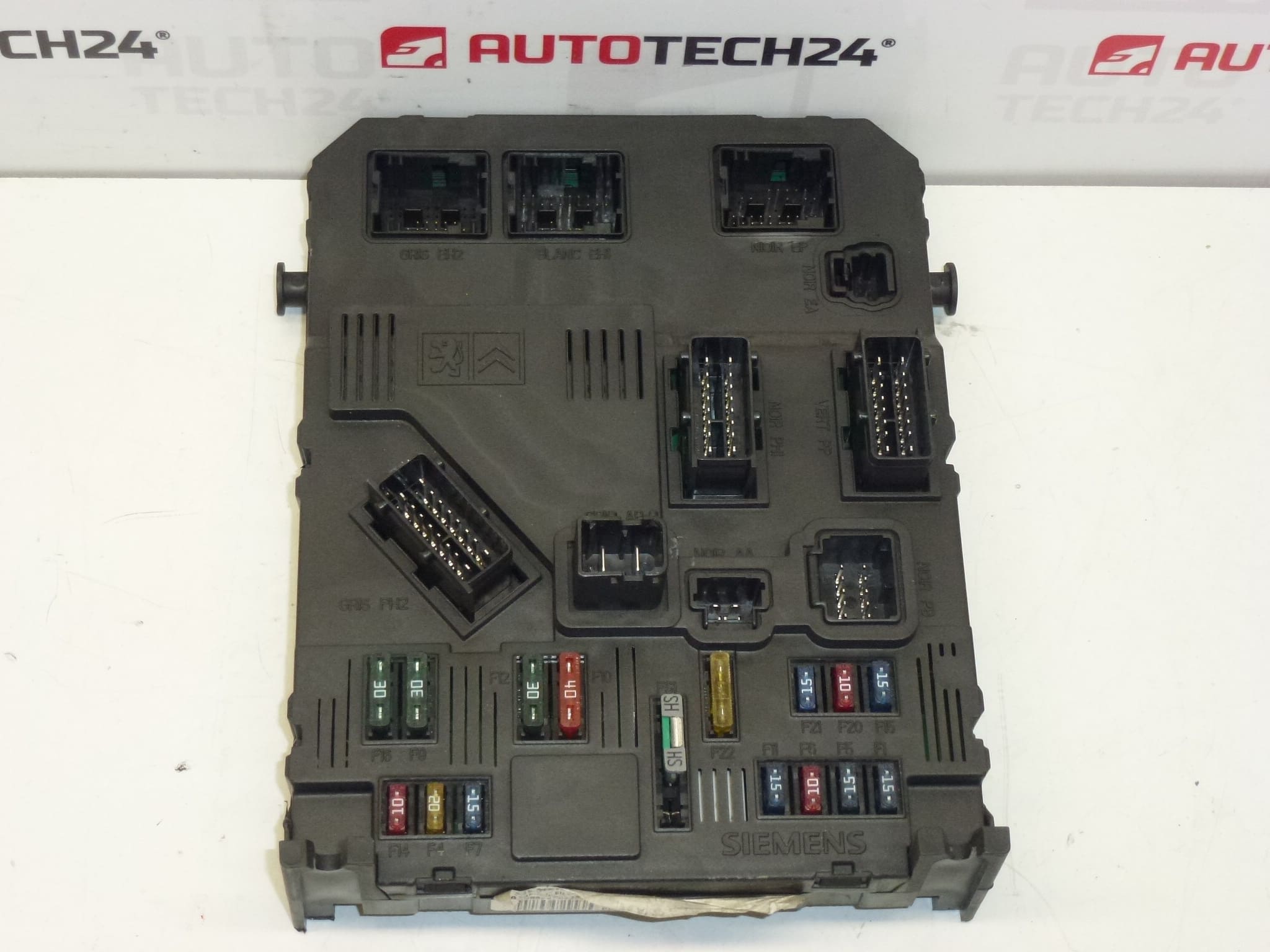
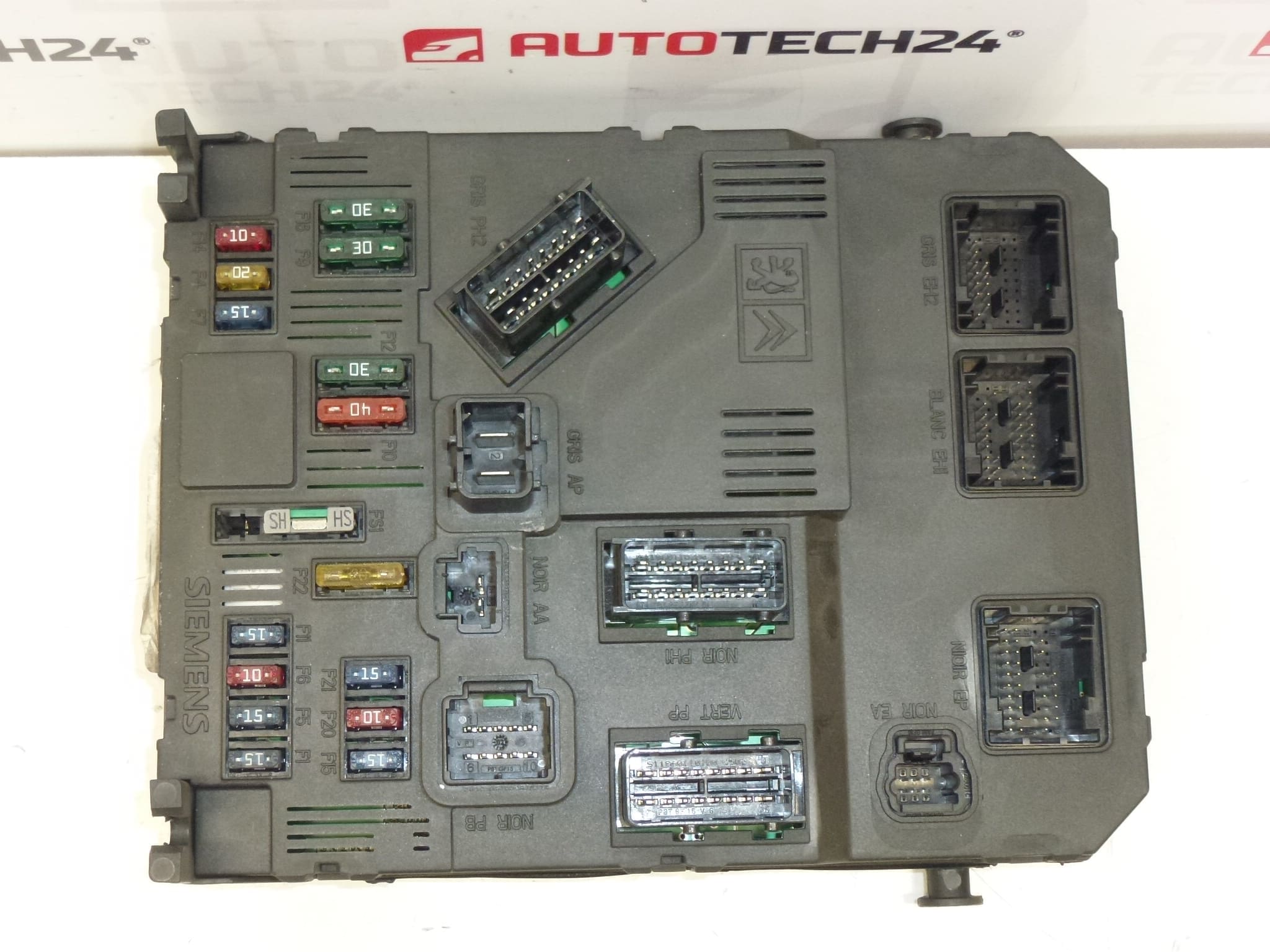
BSI E01-00 HG Siemens for Citroën and Peugeot vehicles
This BSI (Body Systems Interface) unit E01-00 manufactured by Siemens is designed for a range of Citroën and Peugeot models. It centralizes many body electrical functions such as central locking, interior and exterior lighting, windshield wipers, turn signals, power windows, alarm and some comfort features. Sourced as a direct-fit replacement for original part numbers, this unit is intended for professional installers and experienced DIY mechanics who are familiar with vehicle electrics and PSA service procedures.
Technical Information
- Manufacturer: Siemens
- Model: Citroën Berlingo; Citroën Xsara Picasso; Peugeot 206; Peugeot Partner
- Product Codes: 9649627780; 6580HE; E01-00
- Additional Numbers: 1650882680; S118085320A
Function And Application
The BSI acts as the vehicle’s central comfort and body computer. It manages and coordinates signals between switches, sensors and actuators for convenience functions. Typical responsibilities include: central locking control, interior lighting timing, wiper and washer logic, indicator and hazard light management, power window operation, immobilizer interface and distribution of power to specific circuits via integrated fuses/relays. Correct operation of the BSI is essential for stable vehicle electrics and comfort features.
How It Is Replaced
Replacement requires careful handling and basic automotive electrical skills. Typical steps:
- Disconnect the negative battery terminal before starting.
- Remove trim panels to access the BSI module (usually located under the dash or behind glovebox depending on model).
- Unscrew the unit, carefully unplug multi-pin connectors and any locking clips.
- Fit the replacement unit, reconnect all connectors and secure mounting screws.
- Perform coding/initialization as required (see Mounting And Coding – Important below).
- Reconnect the battery and verify all body functions (locks, lights, windows, etc.).
Installation Recommendation
Always follow manufacturer procedures and use proper tools. Protect connectors from dirt and moisture during work. If coding or cloning is required, use official PSA diagnostic equipment or a qualified workshop. Before reassembly, check for water ingress or corrosion in wiring harnesses that could cause immediate re-failure.
Why This Part Most Commonly Fails
- Moisture Ingress And Corrosion: Exposure to water or high humidity can corrode pins, printed circuit traces or connectors.
- Electrical Surges And Short Circuits: Faulty wiring, aftermarket accessories or poor battery connections can create voltage spikes that damage electronic components.
- Thermal Stress And Aged Solder Joints: Repeated heating/cooling cycles may cause cracked solder joints or component fatigue.
- Physical Damage Or Impact: Improper removal/installation or accidental impact can break connectors or PCB components.
Mounting And Coding – Important
- The Unit Is Used And Is “Paired” With The Original Vehicle (VIN/PIN/Keys).
- Options To Put Into Service:
- Cloning Data From The Old Unit (EEPROM/Flash) – After Cloning The Unit Is Plug And Play.
- Virginization And Subsequent Initialization/Telecoding Via DiagBox (Or Online) + Key Adaptation.
- Recommended To Be Performed By A Specialist With PSA Service Equipment (DiagBox/Lexia/PP2000).
- Always Disconnect The Battery Before Removal/Installation And Follow Manufacturer Procedures To Avoid Damaging The Unit.
Keywords for search visibility: BSI E01-00, Siemens BSI, BSI 9649627780, BSI 6580HE, Citroën BSI, Peugeot BSI, comfort module replacement, PSA DiagBox coding.