Description
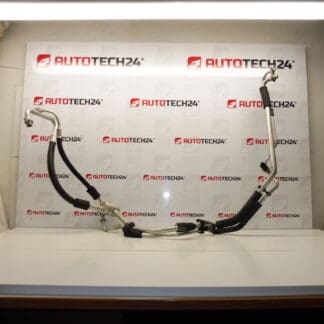
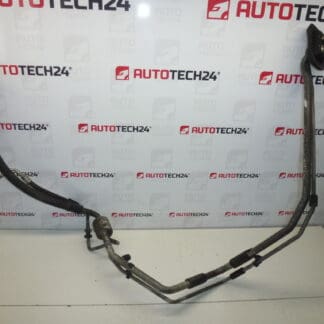
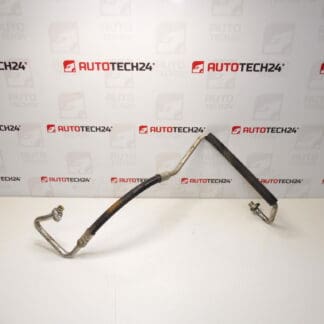
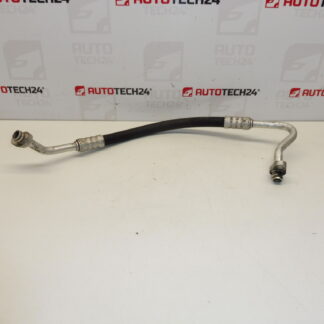
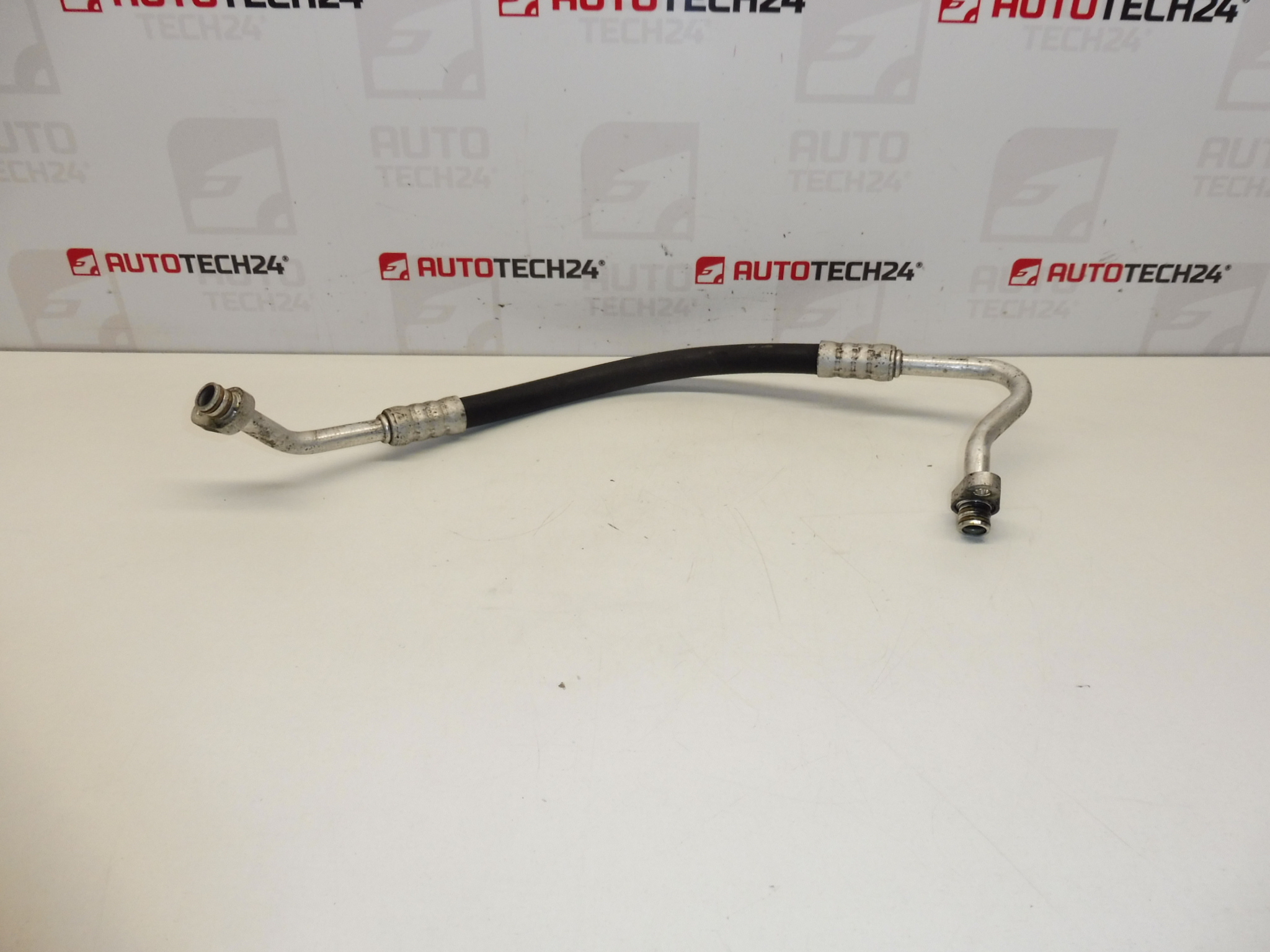
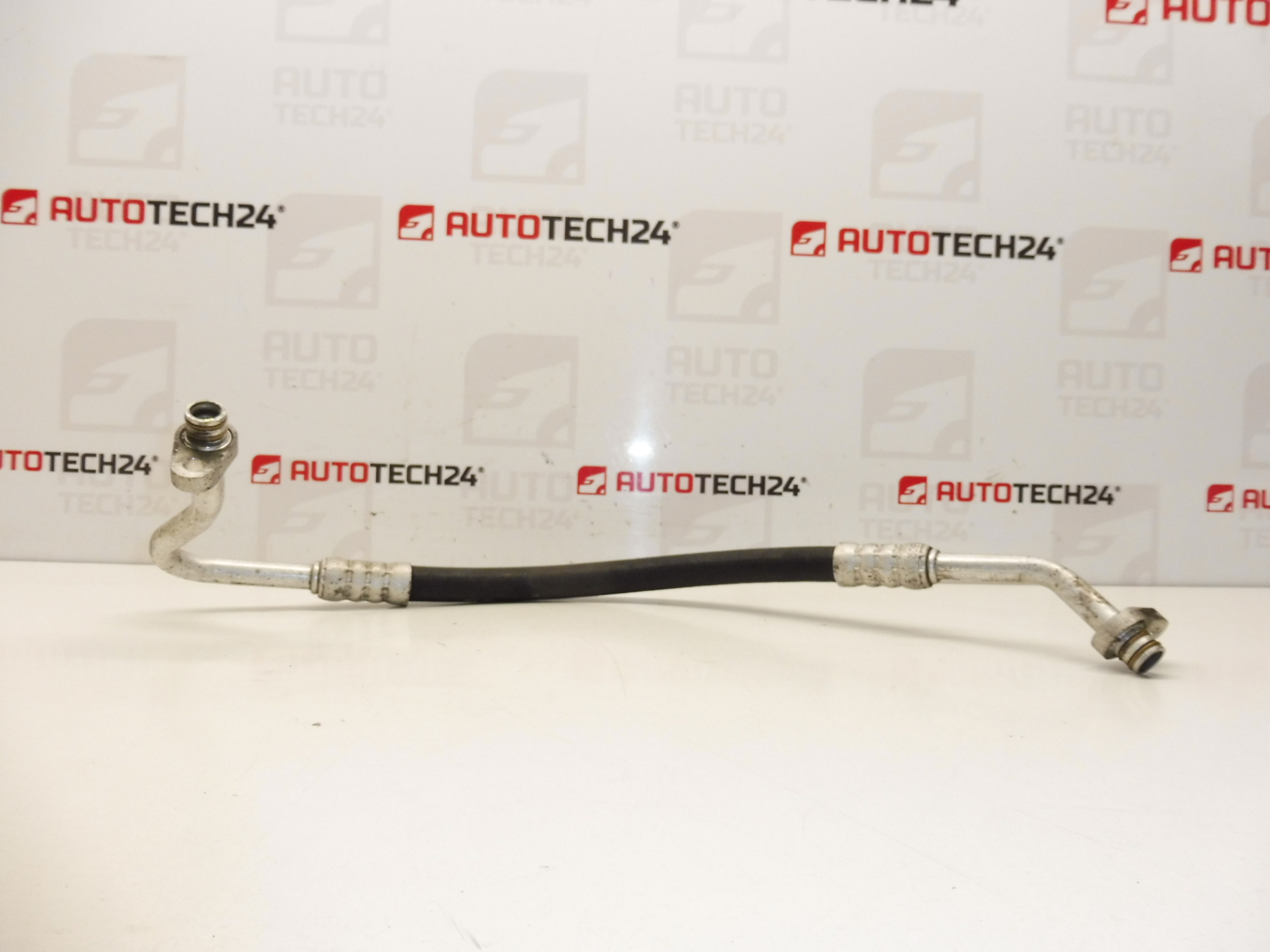
Air Conditioning Pipe For Citroën C8, Jumpy And Peugeot 807, Expert 2.0 HDi 88 And 100 kW
Stellantis Part Numbers 1498011080, 6460VF, 6477Q3. Direct-Fit Air Conditioning Pipe Designed For Citroën C8, Citroën Jumpy (Second Generation) And Peugeot 807 / Peugeot Expert II With The 2.0 HDi Engine (88 kW And 100 kW). Suitable For Professional Workshops And Experienced DIY Mechanics Looking For A Reliable Replacement Refrigerant Line.
This air conditioning pipe Is A Component Of The Vehicle’s Refrigerant Circuit. It Transports Refrigerant Under Pressure Between System Components (Compressor, Condenser, Evaporator Or Receiver-Drier Depending On The Specific Routing). The Pipe Ensures Leak-Free Flow When Proper O-Rings And Connectors Are Used And When Installed According To Manufacturer Torque And Seal Specifications.
Technical Information
- Manufacturer: Stellantis (Citroën / Peugeot)
- Model: Citroën C8; Citroën Jumpy II; Peugeot 807; Peugeot Expert II (2.0 HDi, 88 kW / 100 kW)
- Product Codes: 1498011080
- Additional Numbers: 6460VF, 6477Q3
Function And Typical Fault Symptoms
The Pipe Forms Part Of The Air Conditioning Refrigerant Circuit And Carries High-Pressure Or Low-Pressure Refrigerant Depending On Its Position. Common Symptoms Of A Faulty Or Leaking Pipe Include Loss Of Cooling Performance, Visible Oil Traces Around Joints Or Fittings, Audible Hissing From The AC System, And Pressure Irregularities During System Diagnosis.
Why The Part Usually Fails
Failures Are Most Often Caused By Seal Degradation (O-Rings Hardening Or Cracking), Corrosion At Metal Joints, Mechanical Damage From Road Debris Or Impact, And Long-Term Vibration Leading To Fatigue Cracks. Age And Environmental Factors (Road Salt, Moisture) Accelerate Deterioration. Improper Installation Or Reuse Of Old Seals Also Leads To Early Leaks.
Replacement Interval And Durability
There Is No Fixed Interval For Replacement; Lifespan Depends On Use And Environment. In Practice, Pipes On Vehicles Older Than 8–12 Years Or Cars Exposed To Corrosive Conditions Are More Likely To Develop Leaks. Inspect During Routine AC Service Or When The System Shows Reduced Cooling.
Installation Recommendation
- Recover Refrigerant Safely Using Approved Equipment Before Removing Any Lines. Recharge And Test The System According To Manufacturer Specifications.
- Replace All Associated O-Rings And Seals With New, Correct-Size Parts To Ensure A Leak-Free Connection.
- Inspect Adjacent Components (Compressor, Condenser, Hoses, Mounts) For Damage Or Corrosion And Replace If Necessary.
- Tighten Fittings To Specified Torque Values And Check For Leaks With Proper Pressure Test Equipment.
- Where Applicable, Use The Correct Refrigerant (Typically R134a For These Models) And Specified Lubricant Volume—Perform Vacuum And Leak-Down Tests After Assembly.
- Recommended For Professional Installation Or For Experienced DIYers With Access To Refrigerant Recovery And Recharge Equipment.
Compatibility And Fitment Notes
Fits Vehicles And Engine Variants Listed In The Technical Information Above. Use The Provided Product Codes When Searching Or Verifying Fitment In Parts Catalogues To Improve Accuracy.
Why Buy This Part
Direct-Fit Replacement With OEM Cross-Reference Numbers Improves Chances Of Correct Fitment. Quality Replacement Pipe Restores System Integrity, Eliminates Leaks, And Returns Reliable Cooling Performance—Essential For Workshop Efficiency And Customer Satisfaction.