Description
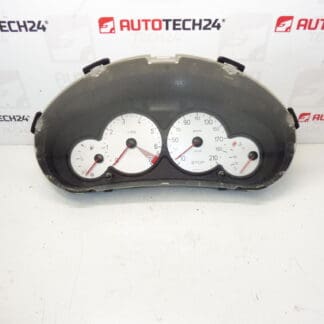
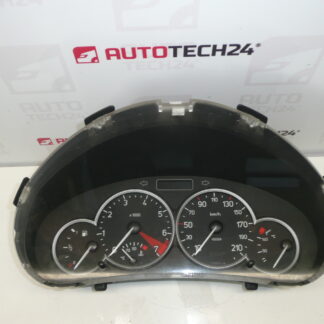
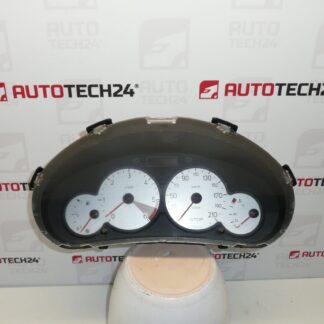
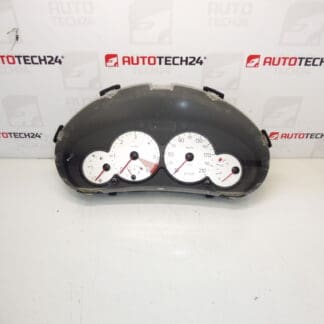
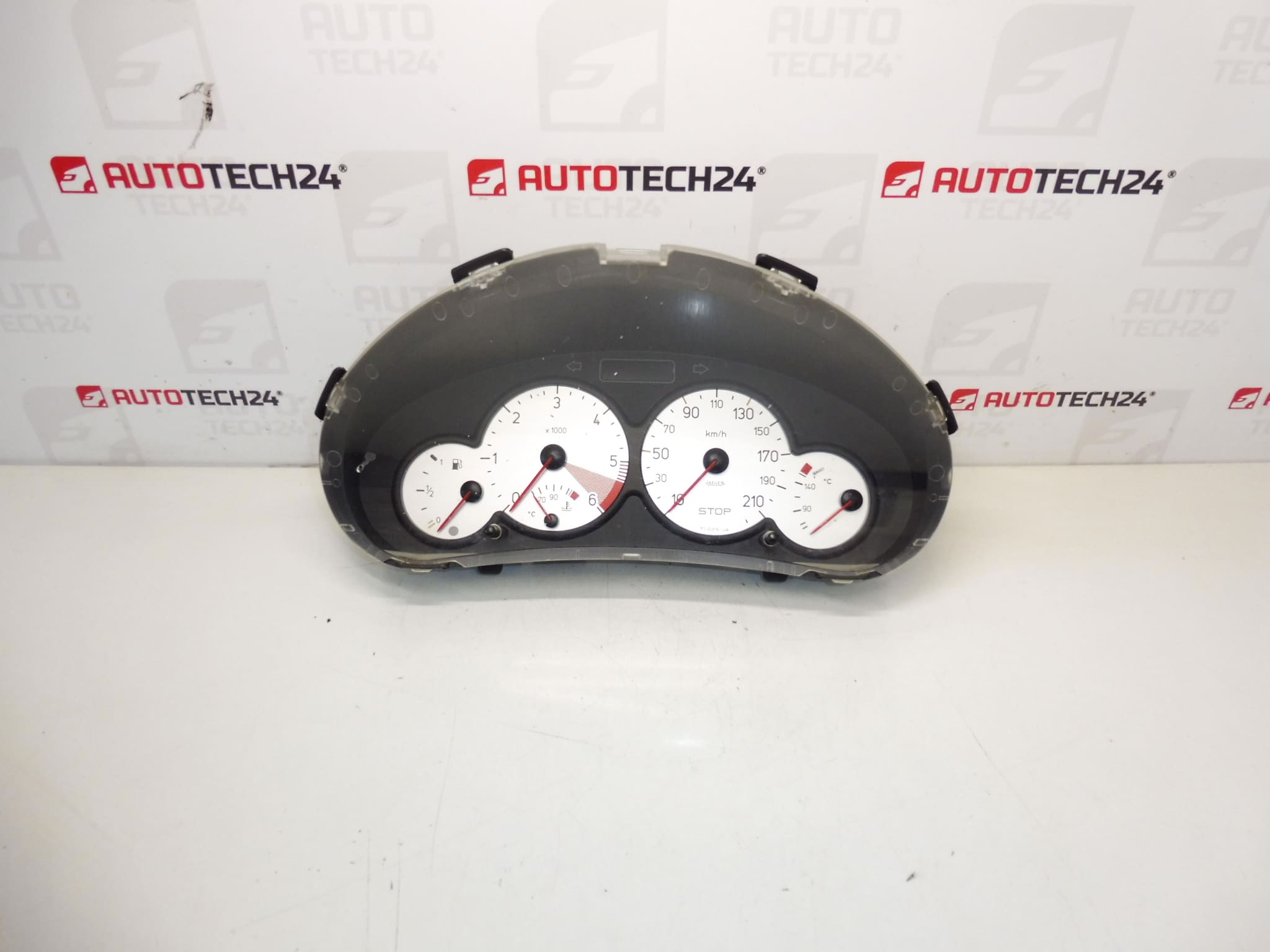
Speedometer instrument cluster for Peugeot 206 2.0 HDi. Mileage unknown.
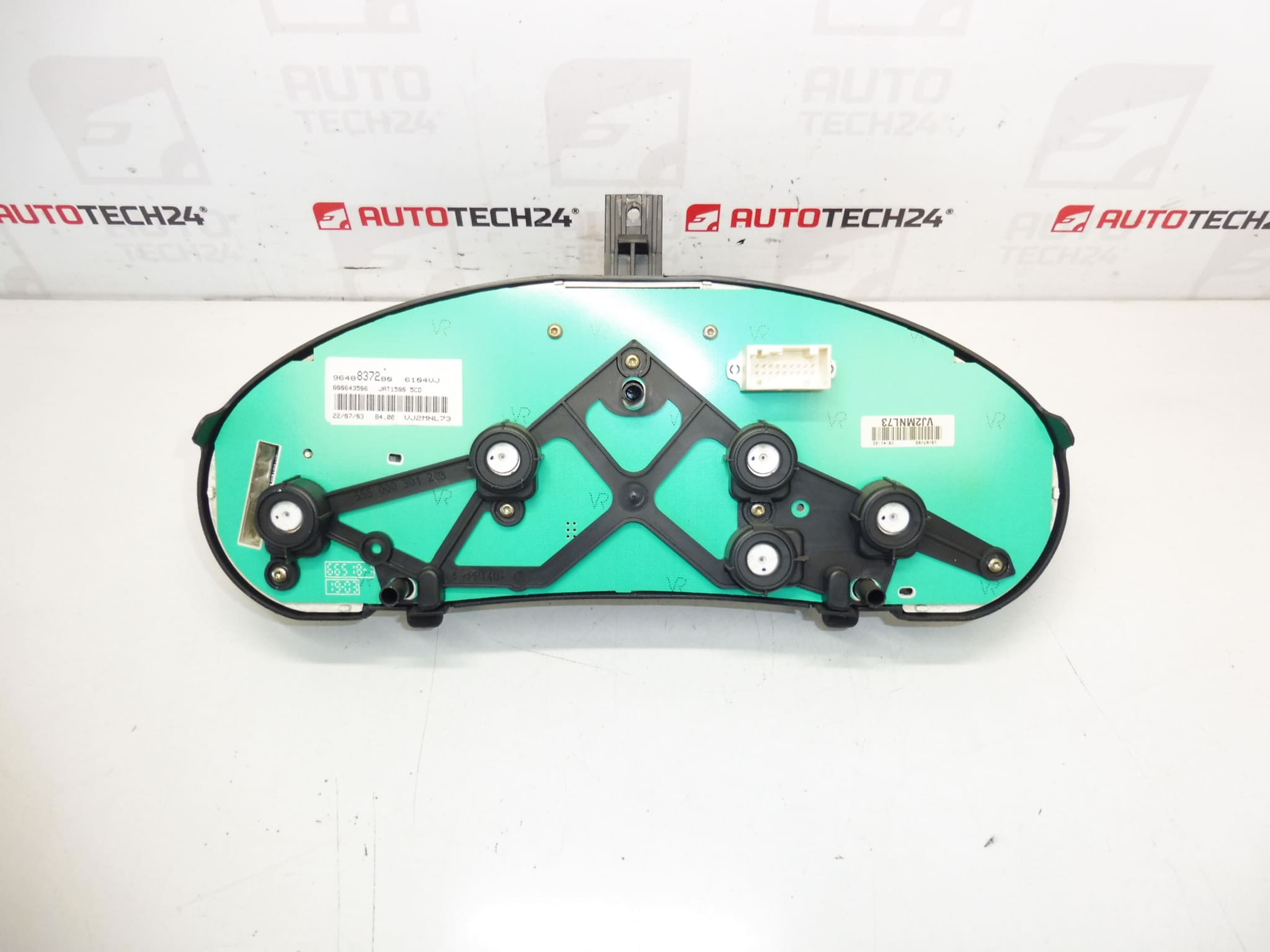
This instrument cluster (speedometer/odometer) fits Peugeot 206 models equipped with the 2.0 HDi engine. Often searched by part numbers 9648837280 and 6104VJ, this unit restores primary dashboard functions: speed reading, odometer display and associated warning lights. Designed for professional workshops and competent DIY mechanics, the description below helps with fitment checks, removal and reinstallation.
Key Benefits
Reliable replacement for a faulty or non-functioning instrument cluster. Clear identification by OEM codes improves the chance of exact fitment for compatible 206 HDi vehicles. Ideal for mechanics who need a direct-swap unit or who plan to transfer instrument data (mileage) using diagnostic or EEPROM tools.
How It Replaces On The Vehicle
- Disconnect Battery: Always disconnect the negative terminal before starting.
- Remove Trim: Release and remove dashboard trim surrounding the cluster (clips/screws vary by trim level).
- Unscrew Cluster: Remove the retaining screws and gently pull the cluster forward.
- Unplug Connectors: Carefully unplug the multi-pin connectors and any illumination/antenna leads.
- Swap Unit: Install the replacement cluster, reconnect connectors, secure screws and refit trim.
- Test: Reconnect the battery and verify instrument functions, warning lights and illumination.
Technical Information
- Manufacturer: Stellantis
- Model: Peugeot 206 2.0 HDi
- Product Codes: 9648837280, 6104VJ
- Additional Numbers: 6104VJ | 9648837280
Installation Recommendations
Work In A Dry, Clean Environment: Protect the instrument cluster from static and moisture. Use appropriate panel tools to avoid breaking trim clips. When disconnecting connectors, press the locking tabs—do not pull on wiring. After installation, check backlight, gauge operation and immobiliser/warning light behavior. If the odometer needs to match the vehicle, data transfer via EEPROM cloning or authorised diagnostic procedures may be required.
Why This Part Fails Most Often
- Age And Wear: Mechanical stepper motors and gearings for gauge needles can wear over time, causing erratic or stuck needles.
- Electrical Issues: Faulty solder joints, degraded capacitors or damaged traces lead to partial or total electronic failure.
- Moisture Ingress: Water or high humidity can corrode contacts and damage display elements.
- Voltage Spikes: Jump-starts or poor electrical connections can cause permanent damage to the cluster electronics.
- Illumination Faults: Dim or non-functioning backlighting is common as bulbs/LEDs age or power feeds fail.