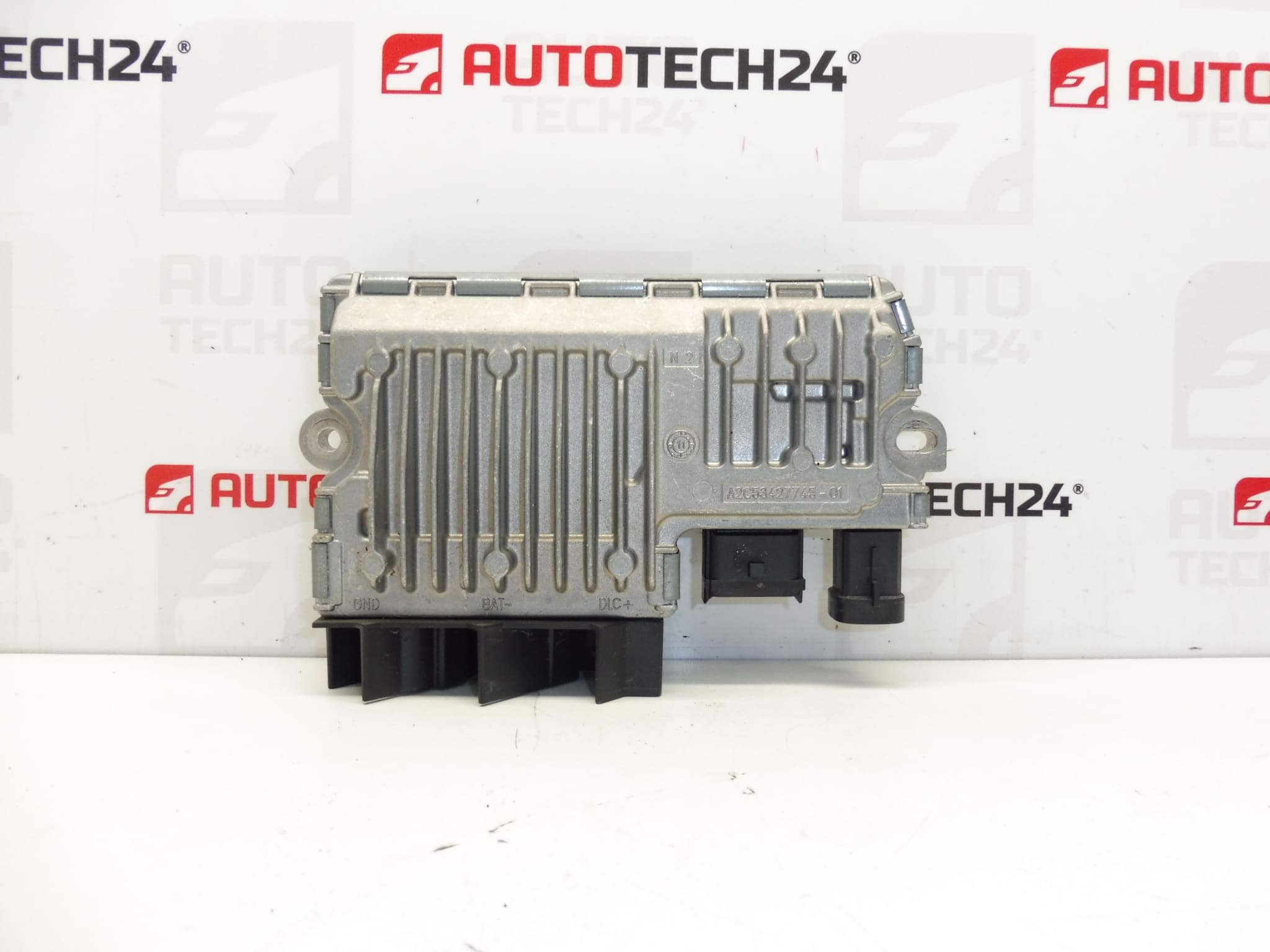
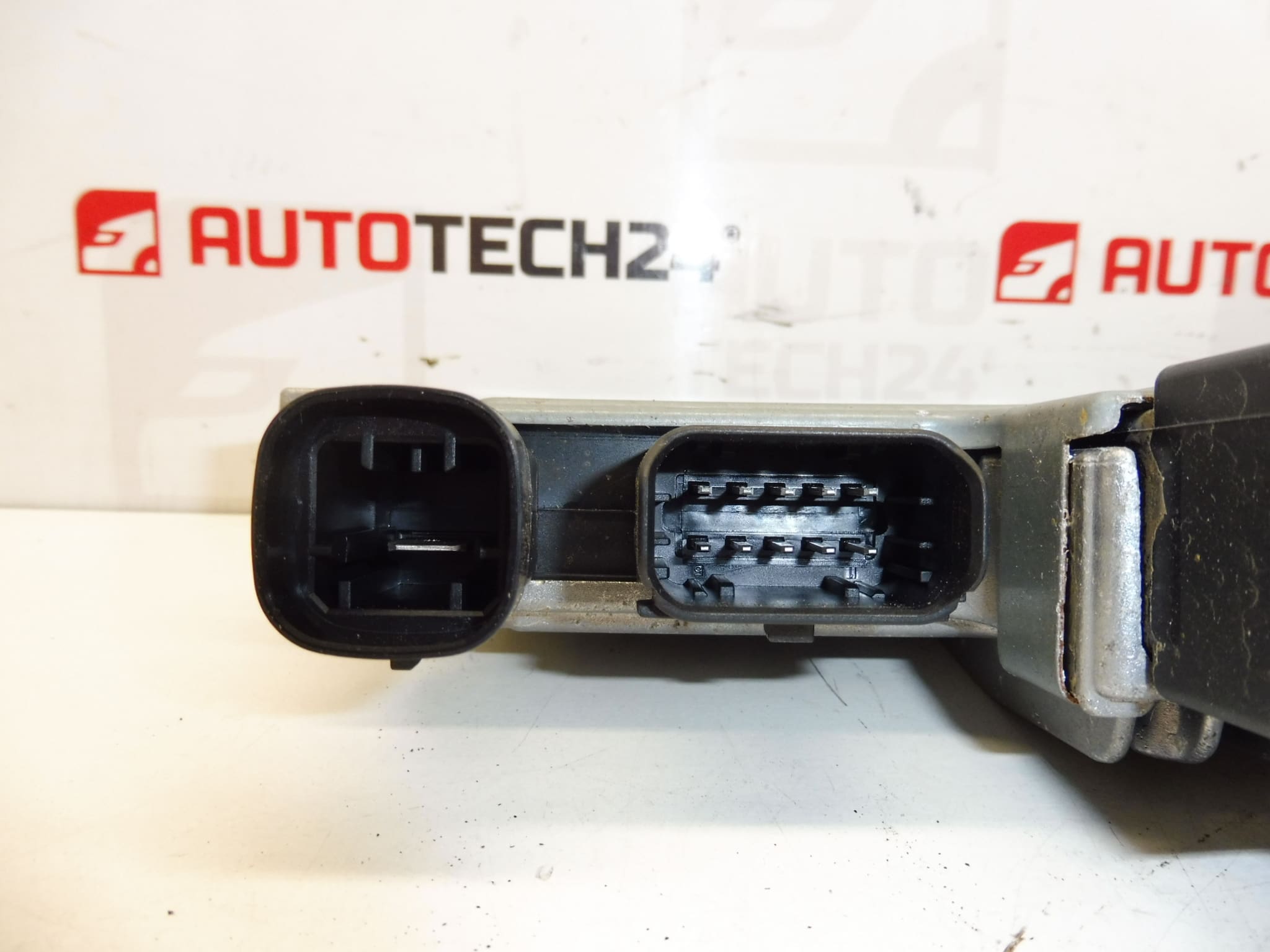
Description
Start-Stop System Converter Unit for Citroën and Peugeot Vehicles
This Continental Start-Stop control unit is designed for Citroën and Peugeot vehicles and is commonly identified by part numbers such as 9675015880, 9675015880-03, 9676308180, 9676308180-00, 5600VR and 9805721280. The module manages engine stop/start functions to reduce fuel consumption and emissions during urban driving. Ideal for professional workshops and experienced DIY mechanics, this unit is frequently looked up by its product code — include the part number when searching to ensure correct fitment. Compatible models include Citroën C4, Citroën C4 Picasso and Peugeot 308 (see Technical Information below for full references).
Technical Information
- Manufacturer: Continental
- Model(s): Citroën C4; Citroën C4 Picasso; Peugeot 308
- Product Codes: 9675015880; 9675015880-03; 9676308180; 9676308180-00
- Additional Numbers: 5600VR; 9805721280
Function and Benefits
The Start-Stop converter unit coordinates signals between the engine management, battery management and vehicle body systems to smoothly stop the engine at idle and restart it when required. Proper operation improves fuel economy in city driving, reduces CO₂ emissions and contributes to lower overall running costs. The unit communicates over the vehicle CAN network and works together with battery sensors and the starter motor control.
Installation Recommendations
- Always disconnect the battery before beginning work and follow the vehicle manufacturer’s safety procedures to avoid electrical damage or personal injury.
- Locate the unit according to the vehicle model — it is typically positioned near the battery, fuse box or in the engine compartment. Access may require removal of covers or trim panels.
- Carefully unplug electrical connectors using appropriate tools, note connector orientation and secure locking tabs on reassembly.
- Inspect wiring harnesses and connector pins for corrosion or damage before installing the replacement unit.
- After physical installation, the unit may require initialization or coding to work correctly with the vehicle. Commissioning with PSA diagnostic tools (DiagBox/Lexia/PP2000) or equivalent professional equipment is often necessary to ensure full functionality.
Most Common Failure Reasons
- Thermal Stress and Ageing: Repeated heating and cooling cycles can degrade electronic components and solder joints over time.
- Moisture Ingress: Water exposure or condensation can corrode connectors and printed circuit traces.
- Electrical Transients: Voltage spikes, poor battery condition or jump-starting can damage sensitive electronics.
- Connector Corrosion and Wiring Damage: Loose or corroded connections cause intermittent faults and communication errors on the CAN bus.
- Software/Calibration Issues: Firmware mismatches or lost configuration after replacement can prevent correct operation until properly initialized.
Lifespan And Service Notes
Service life depends on operating conditions, vehicle use and maintenance. Units commonly fail after several years due to cumulative thermal and environmental stress; many failures are observed in high-mileage vehicles or in harsh climates. Regular electrical system checks, ensuring a healthy battery and secure connectors, will extend component life.
Why Choose This Unit
Selecting a unit that matches the exact product code increases the likelihood of correct fitment and reduces installation time. For workshops and competent DIY mechanics familiar with PSA systems, replacing a faulty Start-Stop converter restores fuel-saving functionality and reduces drivability complaints related to stop/start behavior.
Safety And Final Checks
After installation and any required coding, verify system operation through a road test and diagnostic scan to confirm there are no stored fault codes and that Start-Stop behavior is normal under typical driving conditions.