Description
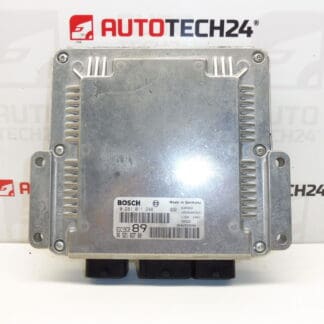
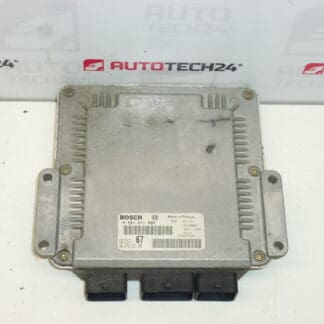
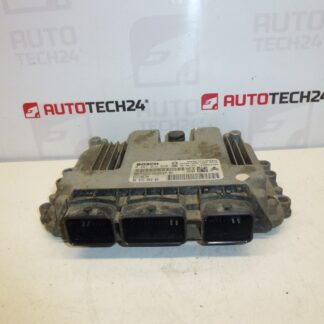
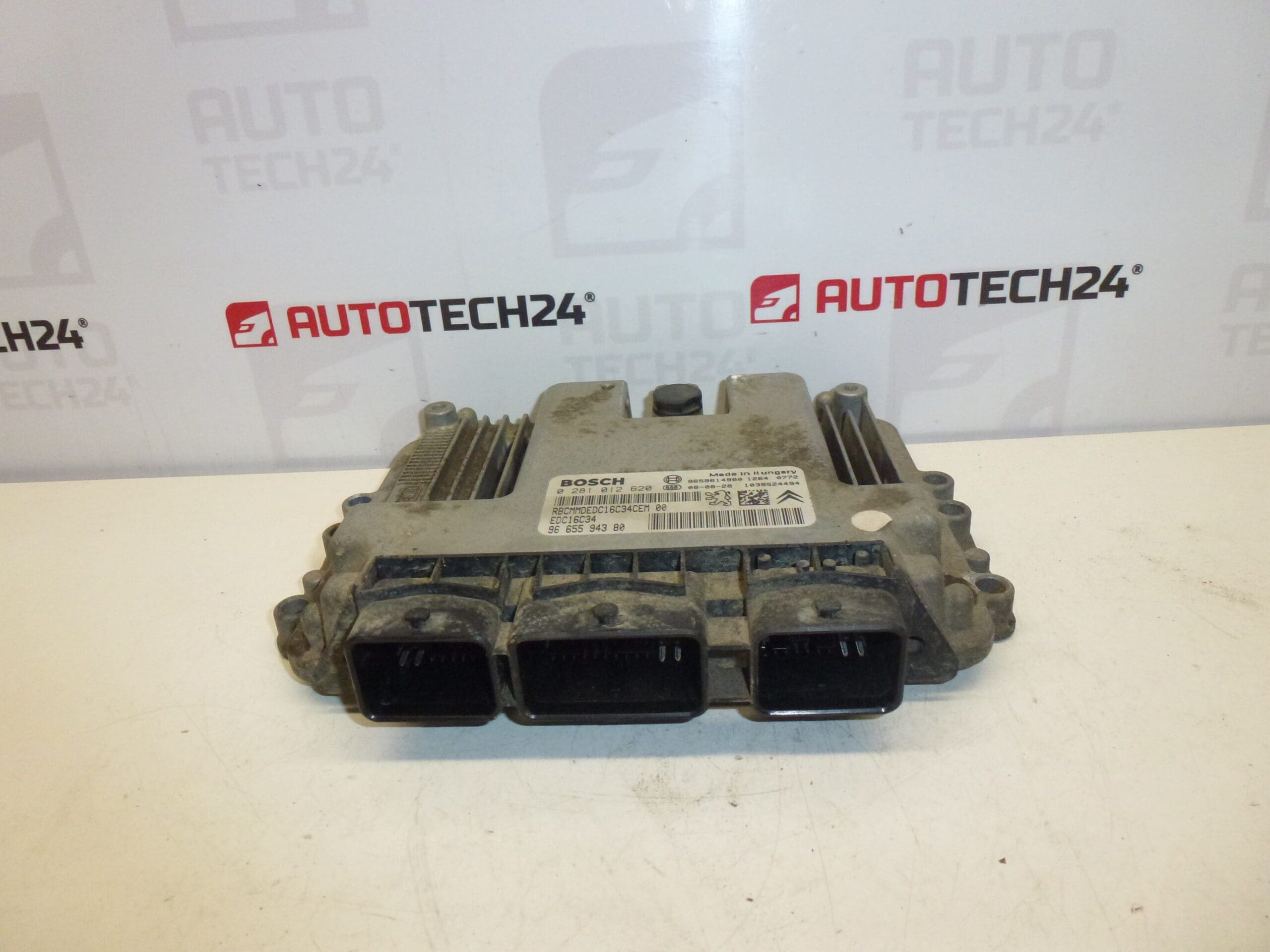
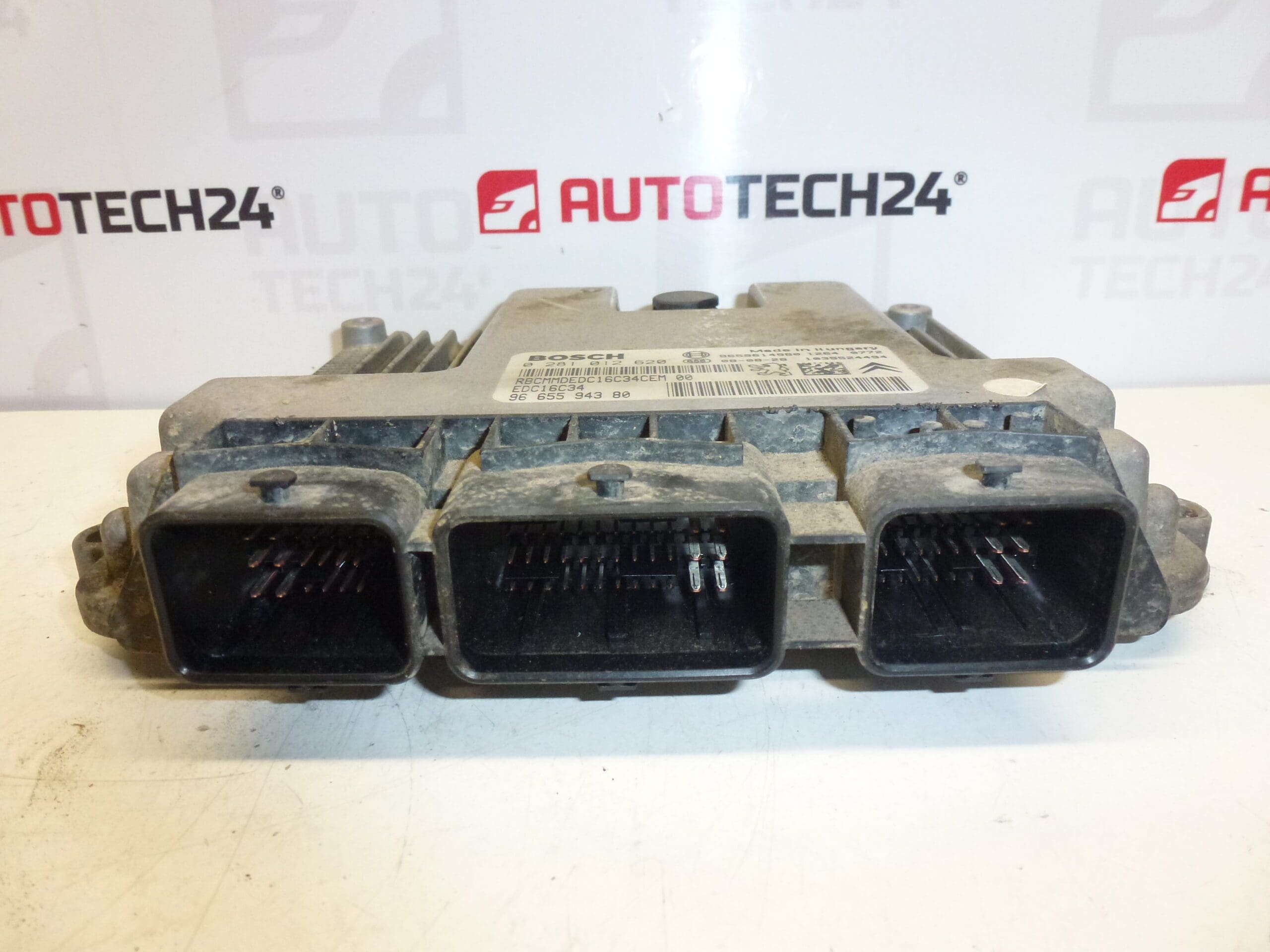
Bosch EDC16C34 Engine Control Unit For Citroën Berlingo II And Peugeot Partner II 1.6 HDi 55 kW
This Bosch EDC16C34 ECU is a direct-fit engine management unit commonly used on Citroën Berlingo II and Peugeot Partner II with the 1.6 HDi 55 kW diesel engine. Ideal for professional workshops and experienced DIY mechanics, the unit carries original equipment numbers used in many parts searches (0281012620, 9665594380, 1942QE, 1942H6). It restores correct fuel injection timing, boost management and emission control functions when replacing a faulty controller, helping the vehicle return to smooth idling, reliable acceleration and correct fault-code behaviour.
Technical Information
- Manufacturer: Bosch
- Model: EDC16C34
- Product Codes: 0281012620
- Other Numbers: 9665594380, 1942QE, 1942H6, HW 9659614980
Compatibility
Designed for Citroën Berlingo II and Peugeot Partner II equipped with the 1.6 HDi 55 kW diesel engine. Part numbers listed above are commonly used when searching for replacements—always compare unit markings and connector layout with the removed ECU before installation.
Installation And Replacement Procedure
Typical replacement steps: disconnect the negative battery terminal, locate and remove any trim or mounting brackets protecting the ECU, disconnect the electrical connectors, unbolt the unit and replace with the new ECU. After mechanical fitment, follow the required procedure for coding or data transfer (see Montáž a kódování – důležité below). Use ESD precautions when handling the electronics and avoid bending pins in connectors.
Mounting And Coding – Important
- The Unit Is Used And Is “Paired” With The Original Vehicle (VIN/PIN/Keys).
- Options To Put Into Service:
- Cloning Data From The Old Unit (EEPROM/Flash) – After Cloning The Unit Is Plug And Play.
- Virginization And Subsequent Initialization/Telecoding Via DiagBox (Or Online) + Key Adaptation.
- Recommended To Be Performed By A Technician With PSA Service Equipment (DiagBox/Lexia/PP2000).
- Before Removal/Installation Always Disconnect The Battery And Follow The Manufacturer’S Procedure To Avoid Damage To The Unit.
Recommendations For Installation
- Perform Coding/Cloning With Proper Diagnostic Tools To Ensure Immobiliser And Engine Parameters Are Correct.
- Follow Anti-Static Handling And Avoid Powering The Unit With Connectors Unplugged.
- Verify Connector Pins And Housing For Corrosion Or Bent Pins Before Reinstallation.
- After Fitment, Clear Fault Codes And Run A Full System Check (Sensor Signals, Fuel Rail Pressure, Turbo Actuator) To Confirm Correct Operation.
Why This Part Most Commonly Fails
- Water Ingress Or Moisture Causing Corrosion Of Contacts Or PCB Traces.
- Electrical Surges Or Poor Battery/Charging System Causing Damage To Power Electronics.
- Thermal Stress And Ageing Leading To Solder Joint Cracks Or Component Failure.
- Connector Corrosion Or Poor Grounding Resulting In Intermittent Faults.
This unit is suitable for mechanics and competent DIYers who understand ECU handling and coding requirements. When in doubt about the coding method for a specific vehicle variant, use factory documentation or qualified diagnostic equipment to ensure a safe and correct commissioning.