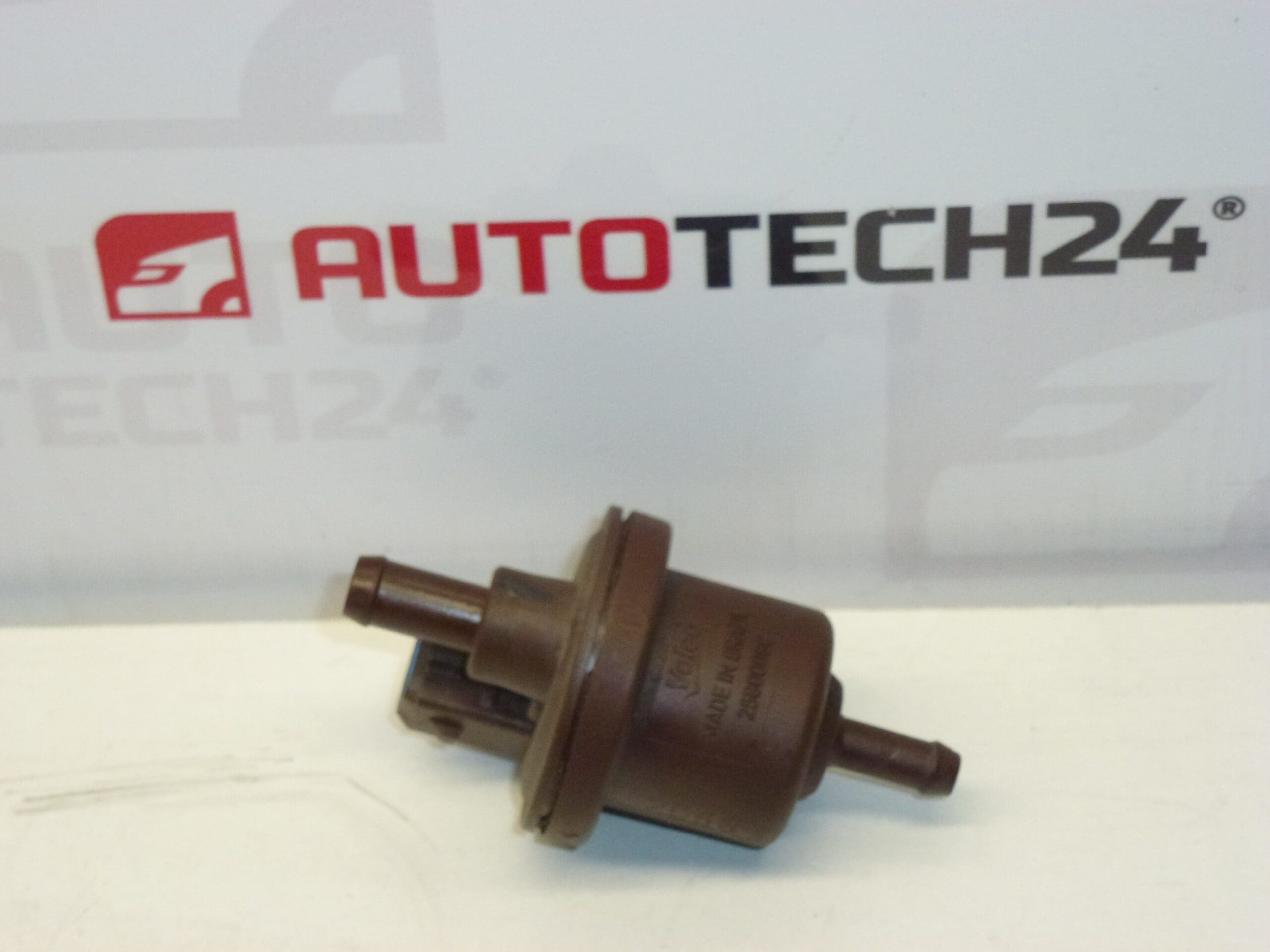

Description
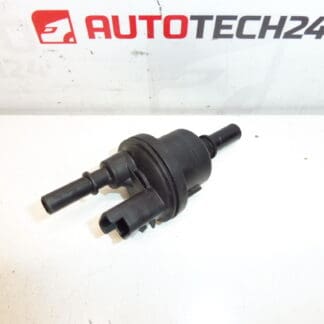
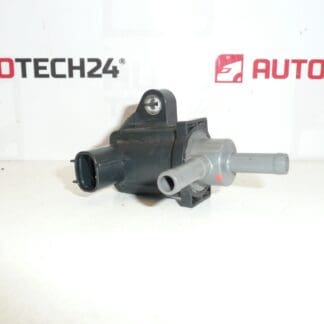
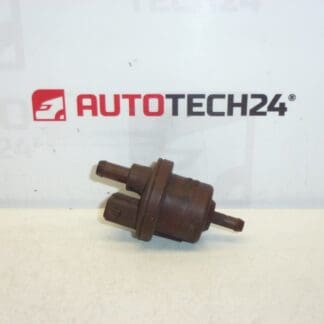
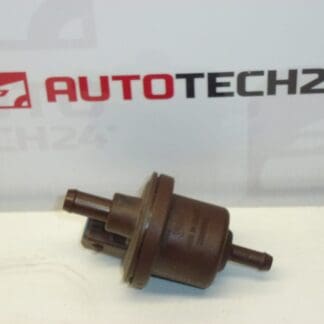
Electromagnetic solenoid valve for the charcoal canister VALEO
Overview
High-quality electromagnetic purge valve designed for the EVAP system on many Citroën and Peugeot petrol engines. This valve controls the flow of fuel vapors from the activated charcoal (carbon) canister into the intake manifold, allowing the engine to burn stored vapors and preventing their release to the atmosphere. The part is commonly searched by reference numbers and original equipment codes—useful for quick identification in catalogs and diagnostic work.
Applications and Cross References
Designed to fit numerous Stellantis models. Often referenced under several product numbers, which technicians use to confirm compatibility.
- Citroën C2
- Citroën C3
- Citroën C3 II
- Citroën C3 Pluriel
- Citroën Xsara
- Citroën Xsara Picasso
- Peugeot 206
- Peugeot 207
- Peugeot 307
Technical Information
- Manufacturer: Valeo
- Model: Select Citroën and Peugeot Petrol Engines (See Applications)
- Product Codes: 0280142317, 2580008C, 2580008B
- Other Numbers: 16287G, 280142317
Function
The purge valve (evaporative emission control solenoid) opens and closes under ECU command to meter fuel vapor from the charcoal canister into the engine intake. Proper operation is essential for emission control, stable idling and avoiding excessive fuel vapor buildup.
Common Symptoms Of Failure
- Check Engine Light with EVAP-related fault codes (for example P0441 or similar indicating incorrect purge flow).
- Rough idle, hesitation, or poor idling stability when the valve is stuck open.
- Strong fuel/solvent smell or evaporative leak warnings if the valve leaks or hoses are damaged.
- Reduced fuel economy or failed emissions test.
Why These Valves Fail
- Contamination And Clogging: Soot, oil vapors and debris can clog the valve or restrict internal passages.
- Diaphragm Or Internal Seal Wear: Rubber components age and may crack, causing leaks or loss of proper sealing.
- Electrical Faults: Connector corrosion, wiring damage or coil failure prevent correct valve operation.
- Vacuum Hose Degradation: Cracked or collapsed hoses produce incorrect readings and apparent valve faults.
- Canister Saturation: A saturated charcoal canister increases load on the valve and can accelerate failure.
Replacement And Installation Notes
Replacement is straightforward for experienced technicians and competent DIYers. Typical procedure:
- Locate The Valve: Usually mounted between the charcoal canister and intake manifold, often in the engine bay or close to the intake plenum.
- Depressurize And Prepare: Switch ignition off. For safety, disconnect the battery if you will be working on electrical connectors—this reduces the risk of short circuits while disconnecting wiring.
- Disconnect Electrical Connector: Release the locking tab and unplug the connector. Inspect pins for corrosion.
- Remove Hoses And Fasteners: Remove vacuum hoses (note orientation) and unclip or unscrew the valve from its bracket. Keep clamps or use new ones if needed.
- Fit New Valve: Install the new valve, ensuring correct hose routing and secure connections. Replace any damaged hoses or O-rings to prevent leaks.
- Clear Fault Codes: After installation, clear relevant fault codes with an OBD-II tool and run a test drive to verify correct operation.
Recommended Tools: Basic hand tools, pliers, OBD-II scanner for code verification and clearing.
Mounting Recommendations
- Always Verify Orientation: Install hoses in the same routing and positions as removed to prevent vacuum leaks.
- Check Hoses And Clamps: Replace brittle hoses and worn clamps to ensure a tight seal.
- Inspect Electrical Connector: Clean or replace corroded connectors; a poor connection can cause intermittent faults.
- Test After Installation: Run the vehicle and monitor for abnormal idle or EVAP-related codes. Confirm that vapors are being purged correctly.
Service Life
There is no fixed service interval. Under normal conditions the valve often lasts many years, but failures commonly appear after high mileage (for example 80,000–150,000 km) or sooner in engines with heavy oil consumption or frequent short trips that accelerate canister or valve contamination.
Diagnostics Tips
- Listen For Clicking: When energized, a functioning valve usually makes a distinct click.
- Smoke Or Pressure Test: Use a smoke machine or hand vacuum pump to check for leaks in hoses and the valve body.
- Electrical Check: Verify coil resistance and supply voltage at the connector before replacing the valve.
Why Choose This Part
This Valeo electromagnetic purge valve is specified under multiple OEM references and suits many common Citroën and Peugeot models. Replacing a faulty valve restores proper EVAP operation, reduces emissions, and resolves associated drivability issues. Keep part numbers handy during ordering to ensure fast identification.