Description
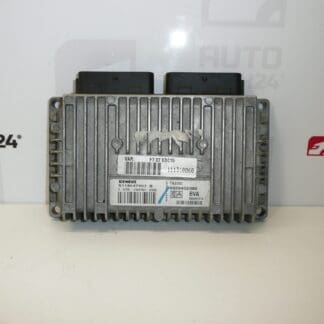
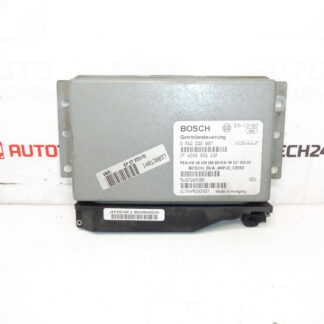
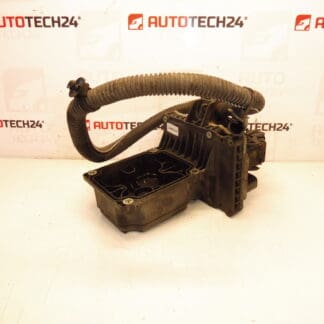
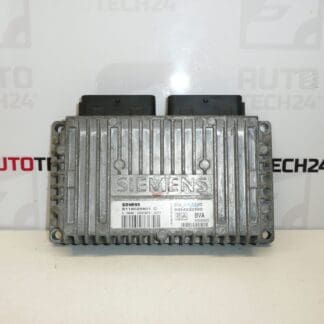
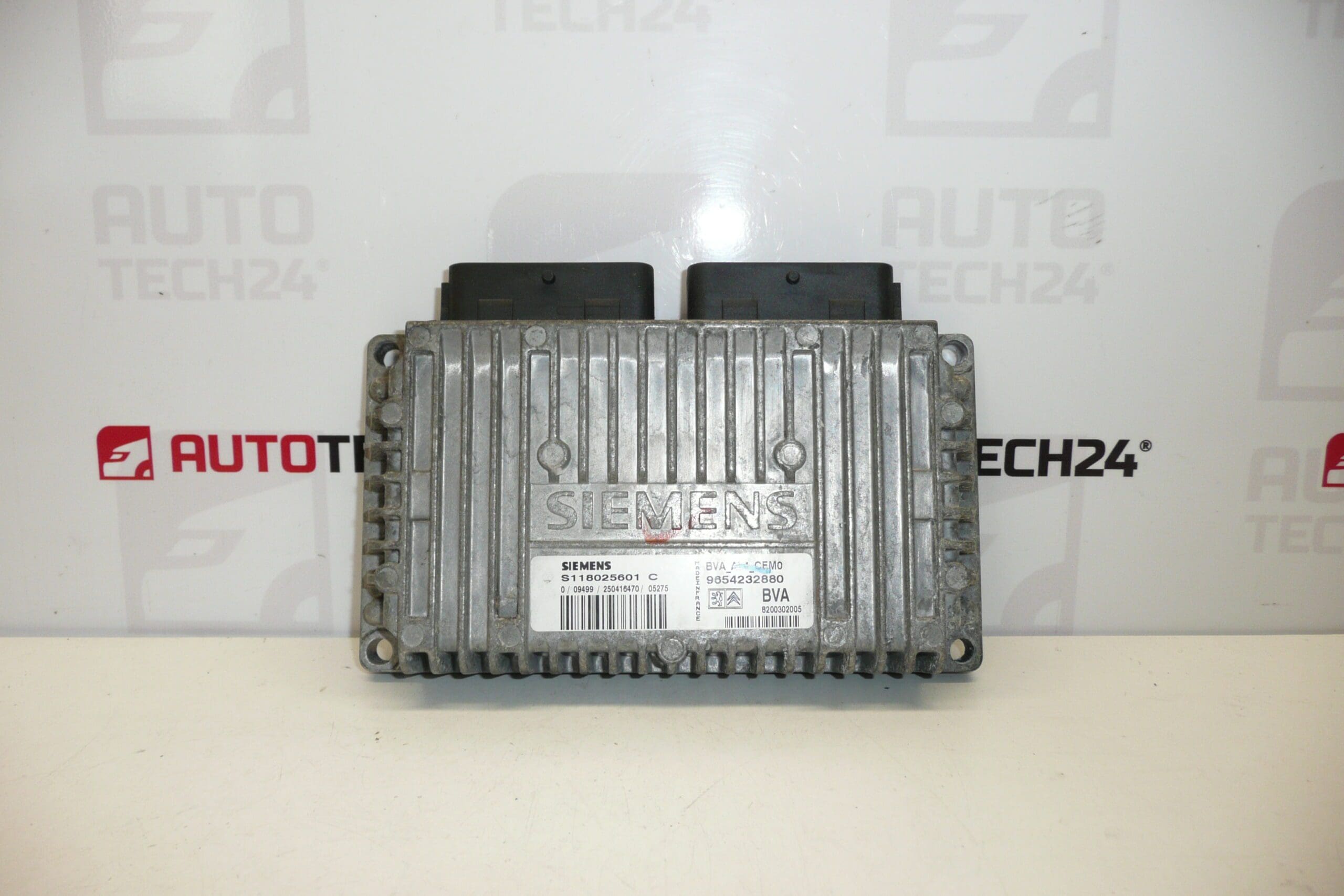
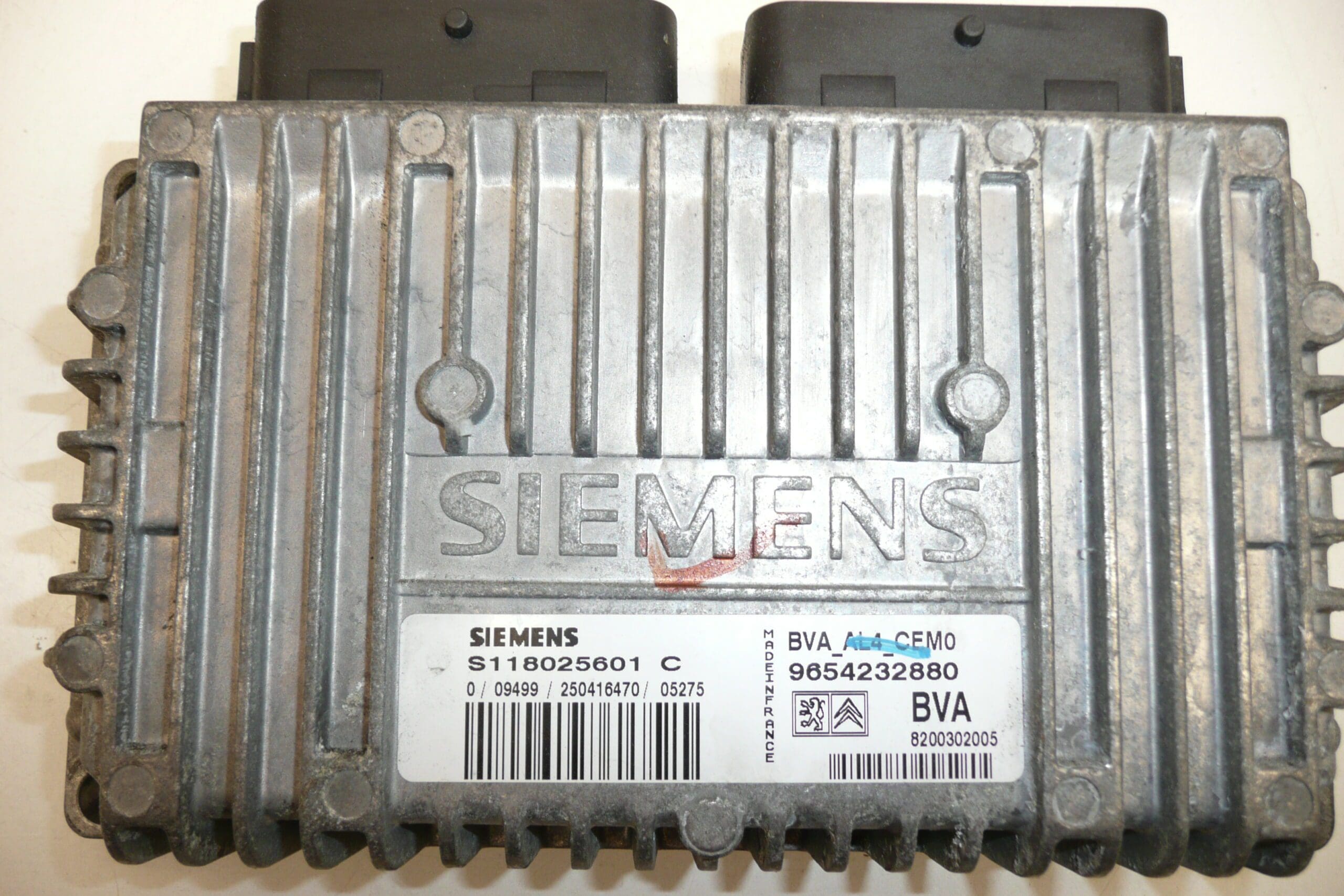
Siemens Automatic Transmission Control Unit For Citroën C4 And Peugeot 307
High-quality Siemens automatic transmission ECU designed for Citroën C4 and Peugeot 307 models. This control unit manages gear shifts, solenoid valves and communication with the gearbox hydraulics and engine management to ensure smooth, reliable automatic transmission operation. Frequently searched by its part numbers, this ECU is intended for professional mechanics and experienced DIYers who service PSA-group vehicles.
Key Features And Benefits
Precision control of shift points and torque management for improved drivability. Robust electronics from Siemens ensure accurate reading of sensors (vehicle speed, gear position, throttle) and coordinated activation of hydraulic solenoids. Replacing a faulty transmission ECU restores proper shift quality, eliminates limp modes and corrects unexplained gear-shift faults in affected C4 and 307 models.
Technical Information
- Manufacturer: Siemens
- Model: Citroën C4; Peugeot 307
- Product Codes: 9654232880; S118025601
- Other Numbers: 25290C; 2529Y8; 2529Z9; 253034
Typical Function
The unit controls automatic gearbox operation by processing inputs from the engine control unit and gearbox sensors, commanding solenoids and valves to select appropriate gears while managing torque converter lock‑up and shift timing. It also stores fault codes that help diagnose gearbox and sensor issues.
Common Failure Causes
- Electrical Problems: Connector corrosion, damaged wiring or poor grounds that cause intermittent signals or complete failure.
- Moisture Ingress: Water or condensation reaching the ECU can short circuits or corrode components.
- Thermal Stress: Repeated overheating accelerates component degradation.
- Software/Data Corruption: Faulty memory or interrupted programming can lead to erratic behavior.
- External Gearbox Failures: Faults in solenoids or hydraulic circuits may overload the ECU and lead to fault codes or protective shutdowns.
Replacement And Installation Guidance
Recommended for installation by qualified technicians or experienced DIYers familiar with PSA vehicles. Basic replacement steps:
- Ensure vehicle is on level ground and transmission is in park/neutral as required.
- Disconnect the negative battery terminal before starting to avoid short circuits or data corruption.
- Locate the transmission ECU (position can vary by model; often mounted in the engine bay or near the gearbox) and carefully release electrical connectors.
- Unbolt the unit, transfer any mounting brackets if needed, and install the replacement using correct torque for fasteners.
- Reconnect connectors and the battery. After installation, clear fault codes and verify operation.
After replacement, use a compatible diagnostic tool to check for stored faults and perform any required adaptations or transmission learning procedures. Proper commissioning ensures smooth shifts and correct interaction with engine management.
How To Identify The Right Unit
These ECUs are often searched by part numbers—use the Product Codes and Other Numbers listed above when verifying compatibility. Matching the exact part number increases the chance of direct replacement without additional coding. For vehicles with similar units, confirm connector type and mounting position visually before installation.
Why Choose This Unit
Designed by Siemens for PSA applications, this transmission control unit offers factory-level control logic and part-number traceability. It is a practical solution for restoring correct transmission function in affected Citroën C4 and Peugeot 307 vehicles.
Installation Recommendations
- Always disconnect the negative battery terminal before removal and follow manufacturer procedures to prevent damage to the unit.
- Inspect wiring harnesses and connectors for corrosion or damage and repair any issues prior to ECU installation.
- Perform a full diagnostic scan after installation and follow transmission adaptation routines where available.
Typical Service Life And Maintenance
Service life depends on operating conditions. Units can remain reliable for many years under normal usage but are more likely to fail after prolonged exposure to moisture, electrical faults or thermal stress. Regular inspection of connectors and keeping engine bay seals intact helps extend lifespan.