Description
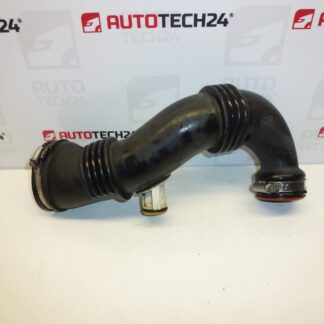
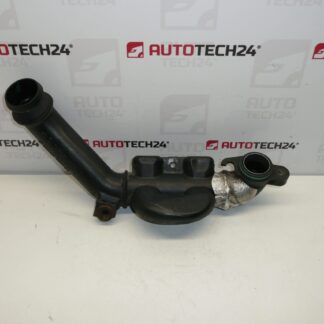
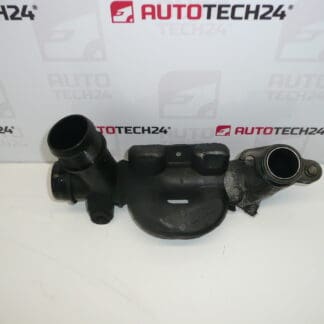
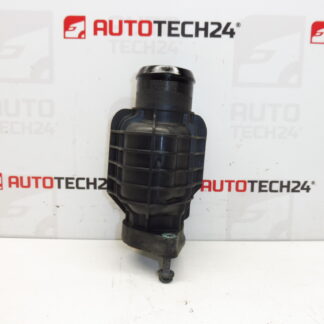
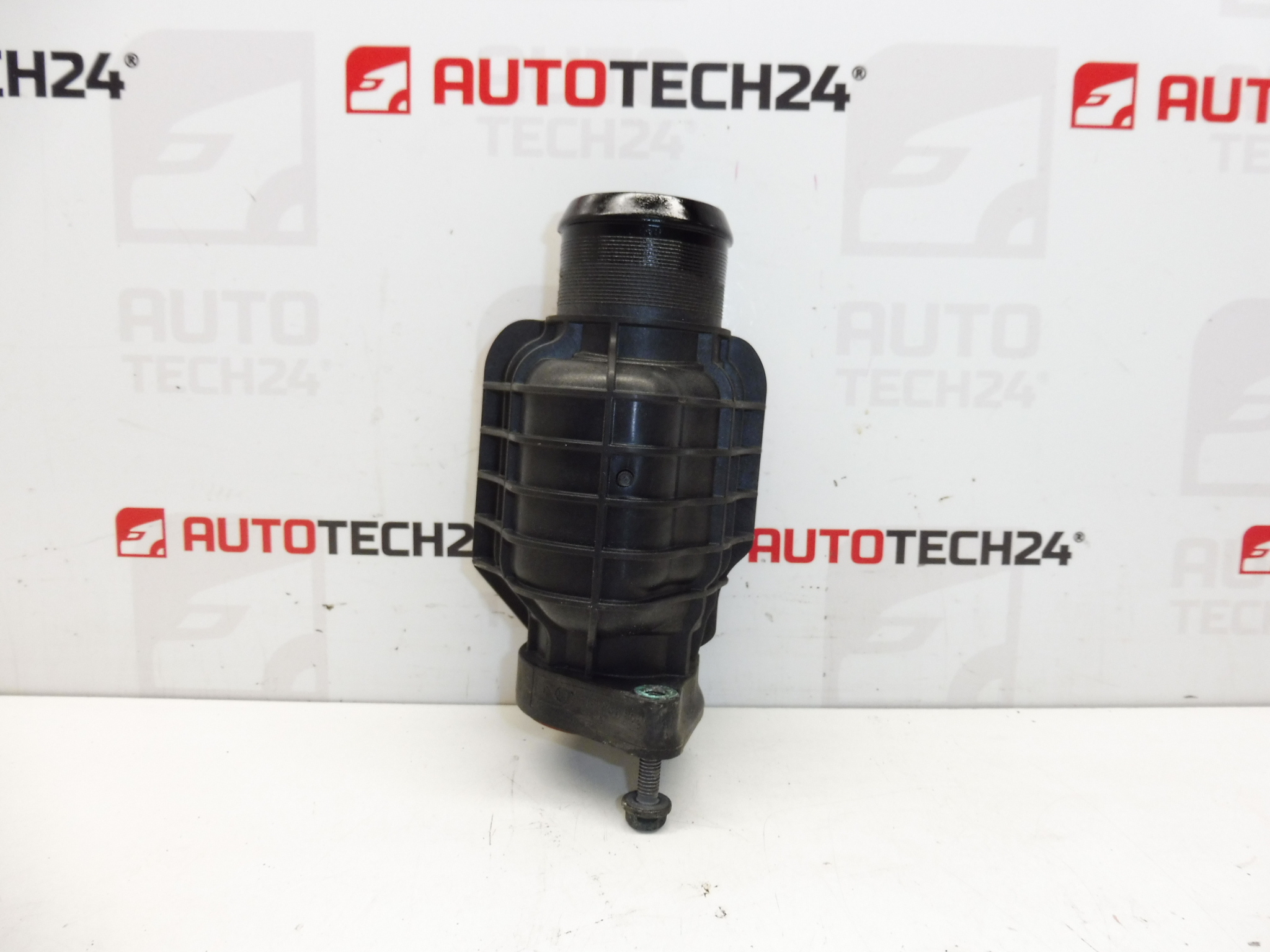
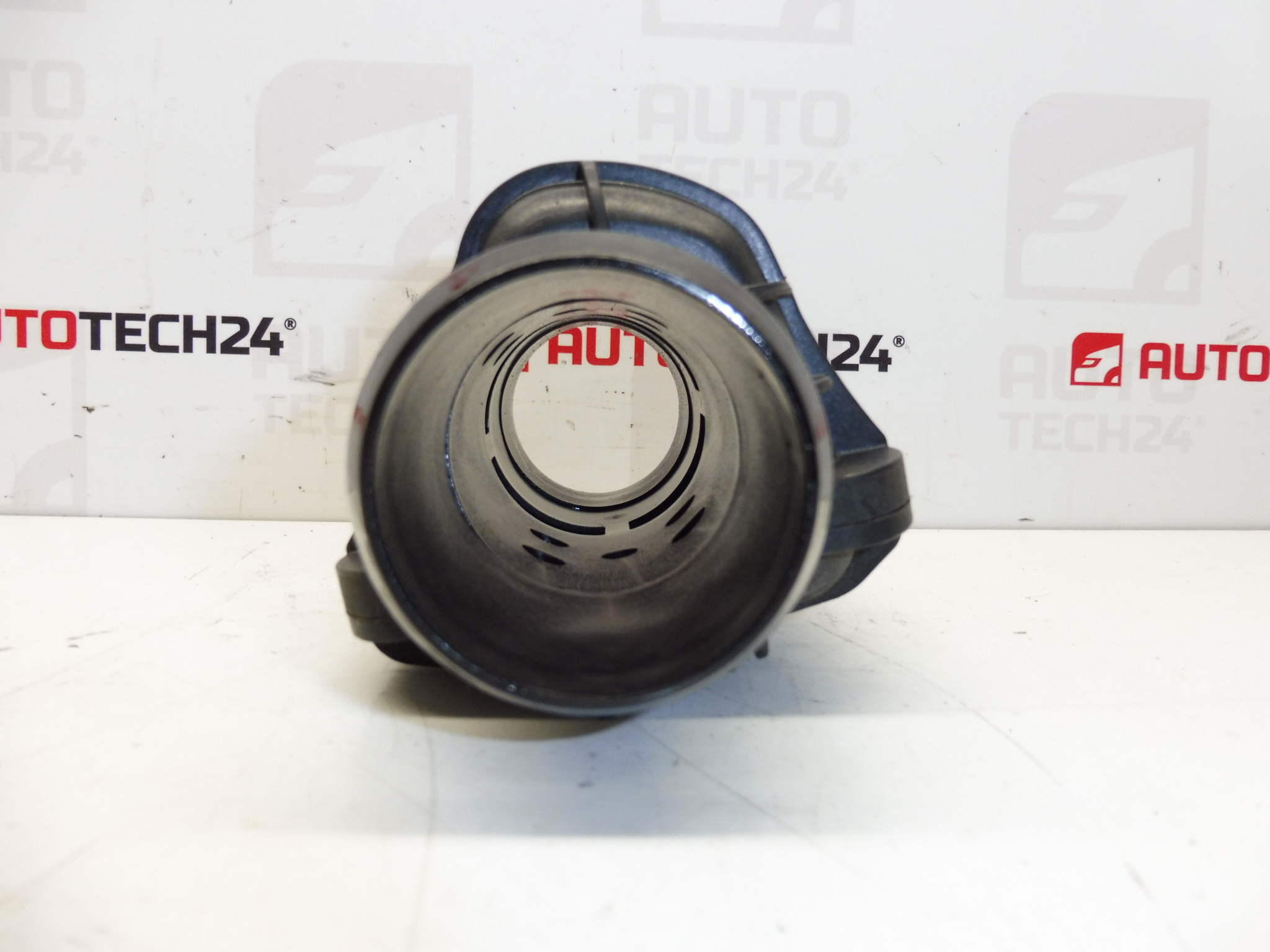
Resonator – Turbo noise silencer for 1.6 eHDI engines for Citroën and Peugeot vehicles
Overview
This resonator is a direct-fit turbo intake noise silencer designed for 1.6 eHDI diesel engines used in multiple Citroën and Peugeot models. It reduces pressure pulsations and audible turbocharger whine, improving acoustic comfort and smoothing airflow into the intercooler/intake tract. The part is often searched for by its product numbers, so listing the correct codes below helps fast identification in workshop ordering systems and online searches.
Technical Information
- Manufacturer: Stellantis
- Model: 1.6 eHDI Turbo Intake Resonator
- Product Codes: 9687261180, 1440R2
- Additional Numbers: 1440.R2, P0299 (related Fault Code)
Compatible Models
Typical Fitment Includes: Citroën Berlingo B9 (Berlingo III), Citroën C3 Picasso, Citroën C4 II, Citroën C4 Picasso, Peugeot 3008 I, Peugeot 308, Peugeot 5008 I, Peugeot Partner III, Peugeot Partner Tepee. Always verify by part number when ordering.
Function And Common Faults
The resonator’s purpose is to attenuate turbo-induced noise and to smooth transient pressure waves between the turbocharger and the intercooler/intake manifold. Common reasons for replacement include material fatigue from heat cycling, cracking or split hoses, oil contamination from turbo seal leaks, and damage from improper clamp torque or impact. When compromised, the resonator can cause increased intake noise, minor power irregularities, or false turbo-related fault codes (e.g., P0299 indicating underboost conditions).
Replacement And Service Notes
Replacement Is Straightforward For Experienced Technicians: locate the resonator on the turbocharger to intercooler/intake pipe run, release the hose clamps or quick-connect fittings, remove the old resonator, clean mating surfaces and hoses, then fit the new unit with appropriate clamps and secure to manufacturer torque specifications. Inspect Surrounding Components: check intake hoses, intercooler connections, clamps, and the turbo outlet for oil leaks or play that could have caused the failure. After Installation: clear related fault codes and perform a short road test to confirm proper boost response and absence of abnormal noise.
Recommended Tools And Tips
- Common Tools: Screwdrivers, Hose Clamp Pliers, Ratchet Set, Torque Wrench.
- Work Tips: Allow The Engine To Cool Before Starting Work. Protect Electrical Connectors And Sensors Nearby. Replace Corroded Clamps And Any Degraded Hoses To Ensure A Long Service Life.
- Inspection: If Oil Is Present Inside The Resonator, Inspect The Turbocharger Seals And Crankcase Ventilation System For Underlying Issues.
Why This Part Is Important
Installing a correct resonator restores original intake acoustics and airflow characteristics, helping to avoid misdiagnosed turbo faults and ensuring consistent boost behavior. Using the correct product code (9687261180 / 1440R2) ensures fitment and retains factory routing of the intake tract.
Why Resonators Fail Most Often
Heat Cycling And Oil Contamination Are The Most Common Causes. Repeated Thermal Stress Causes Rubber And Plastic Components To Harden Or Crack. Oil Ingestion From A Leaking Turbo Or Blocked Crankcase Venting Accelerates Degradation. Mechanical Damage Or Loose Clamps Can Also Lead To Early Failure.
Final Recommendation
For Best Results, Replace The Resonator When Performing Turbo Or Intercooler Service And Always Use Correct Clamps And Seals. This Minimizes Rework And Prevents Recurrence Of Intake Leaks Or Noise Issues.