Description
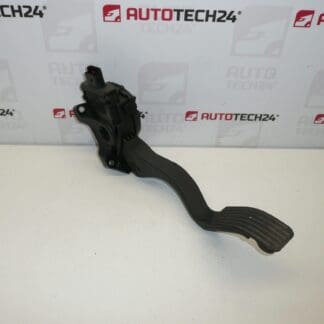
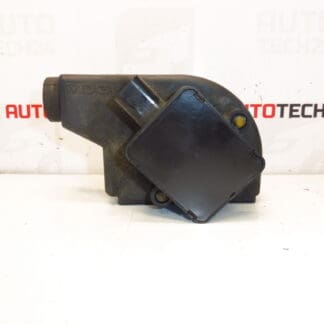
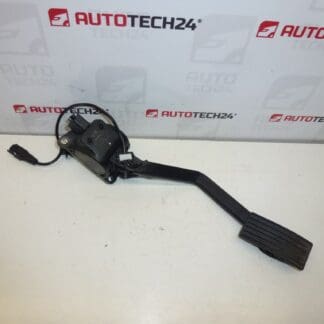
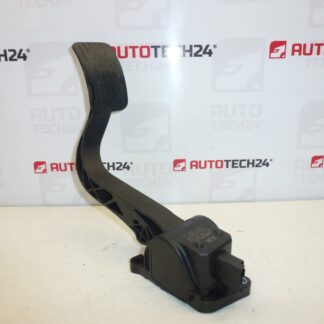
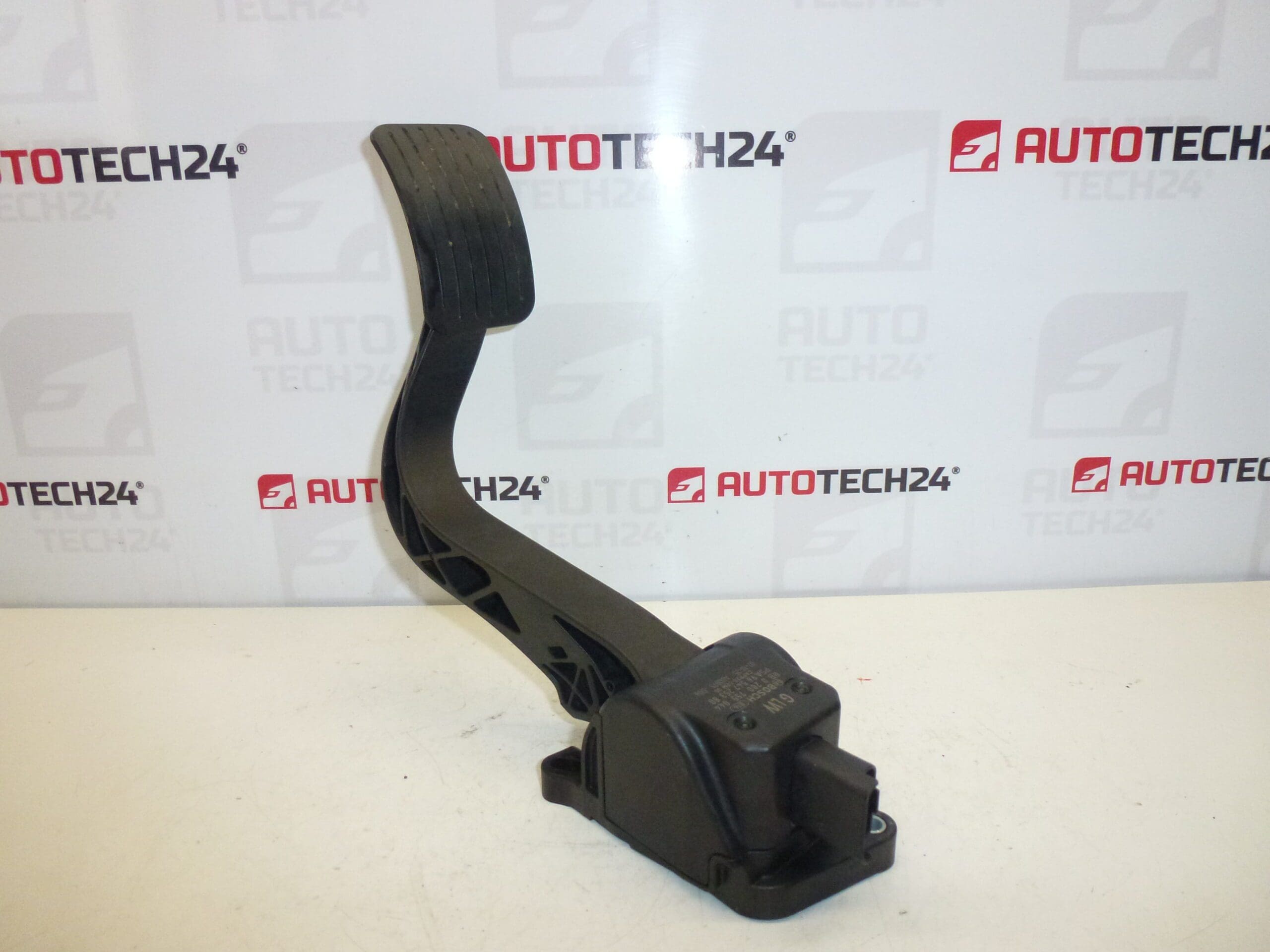
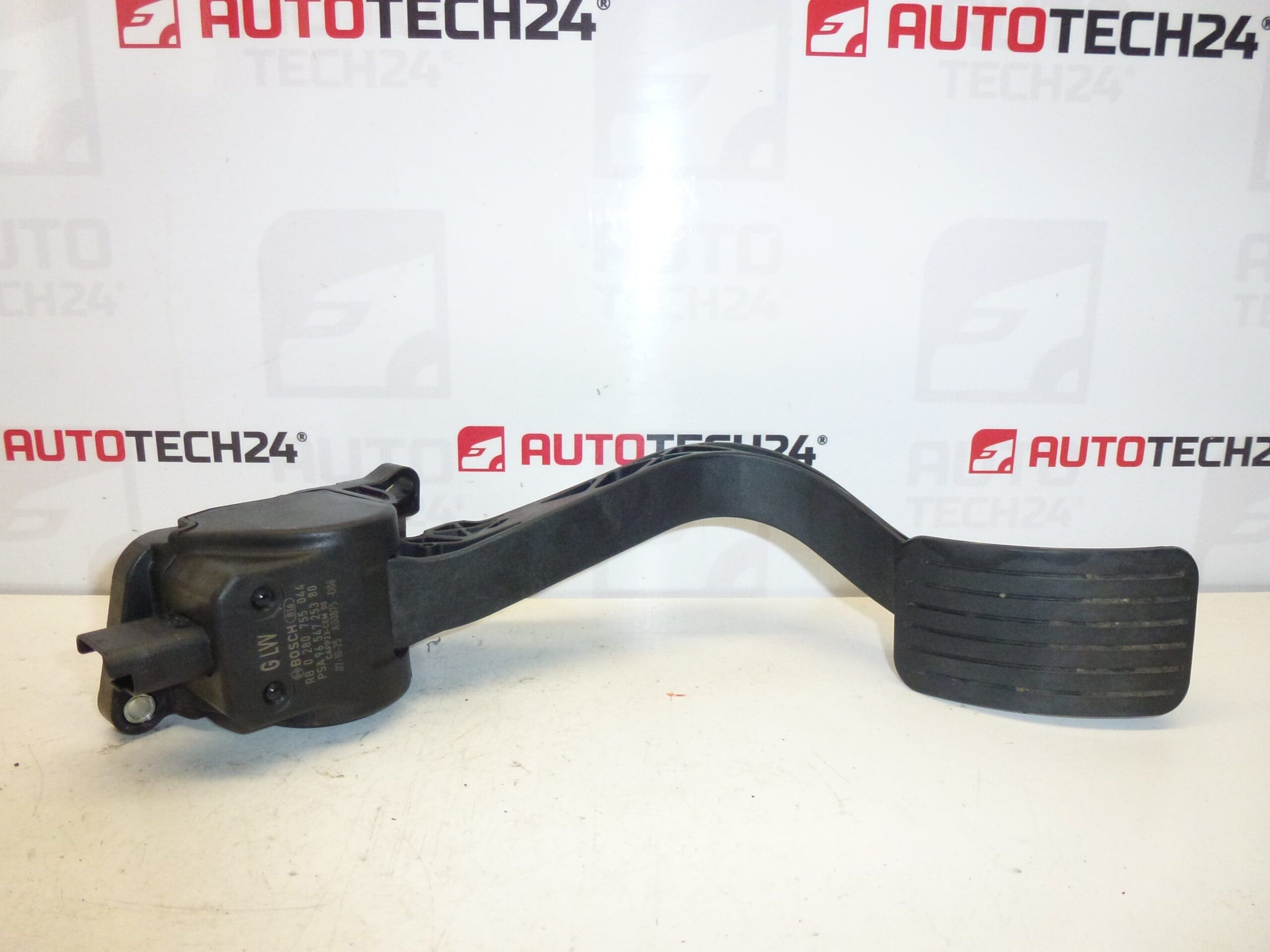
Accelerator pedal for Citroën C4 Picasso and Grand Picasso vehicles.
Description
This electronic accelerator pedal (throttle potentiometer) is designed for Citroën C4 Picasso and Grand Picasso models. It converts the driver’s pedal input into an electrical signal for the engine control unit (ECU), enabling accurate throttle response and drive-by-wire operation. Built to match OE fitment and electrical interface, the unit is a direct replacement for vehicles using the referenced part numbers and is suitable for professional workshops and experienced DIY mechanics.
Technical Information
- Manufacturer: Stellantis (Citroën / Peugeot)
- Model: Citroën C4 Picasso, Citroën Grand Picasso
- Product Codes: 0280755044, 9654725380, 1601S3
- Additional Numbers: NFP
Compatibility And Fitment
Fits Citroën C4 Picasso and Grand Picasso variants that use the listed part numbers. Always verify the part number cross-reference on the original unit before installation. Common search keys for this item include 0280755044 and 9654725380.
Installation Recommendations
– Always disconnect the negative battery terminal before starting work to avoid electrical damage and accidental throttle activation.
– Remove lower dash or pedal trim to access the pedal assembly.
– Unplug the electrical connector and release any retaining clips.
– Remove mounting bolts securing the pedal assembly to the bracket, swap the unit, and refit bolts to the manufacturer’s recommended torque if available.
– Reconnect the electrical connector and clear any stored fault codes. Perform throttle/accelerator pedal calibration or adaptation with a compatible diagnostic tool to ensure correct response and idle behaviour.
– Check for smooth mechanical travel and secure mounting before reconnecting the battery and testing the vehicle.
Why The Part Commonly Fails
Electronic accelerator pedals fail most often due to electrical or mechanical wear: wiring harness damage, connector corrosion, moisture ingress, or internal potentiometer wear and contamination. Symptoms of a failing pedal include intermittent throttle response, reduced power or limp mode, warning lights (engine or traction control), surging idle, or inconsistent pedal position readings. Preventive factors include avoiding water exposure around connectors and inspecting wiring during routine service.
Notes For Mechanics And DIY Enthusiasts
This part is intended for users familiar with automotive electrical systems. After replacement, a diagnostic tool is recommended to clear fault codes and perform any required relearn procedures. If uncertain about calibration or electrical diagnostics, have the vehicle checked by a qualified workshop to ensure safe and reliable operation.