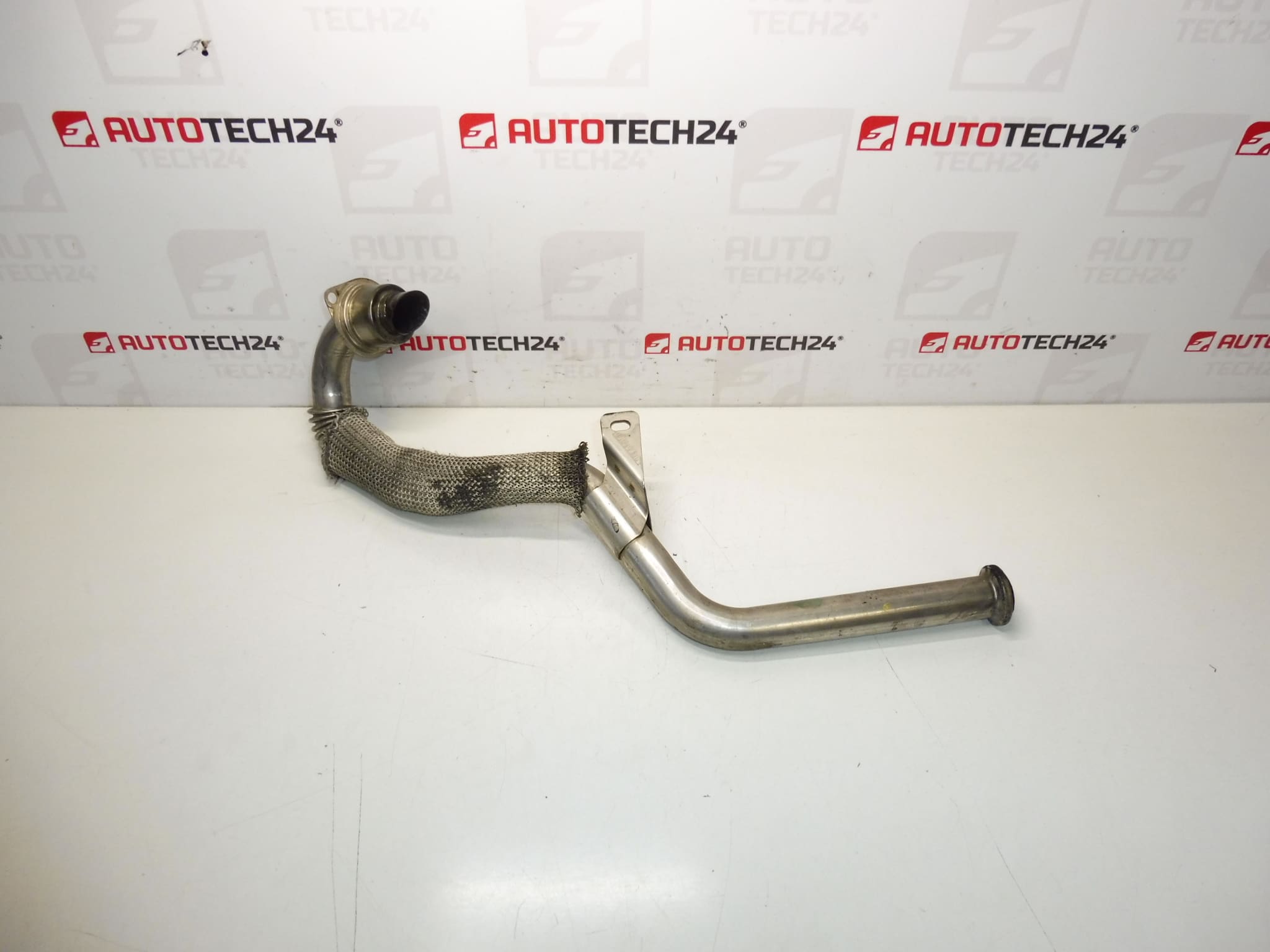
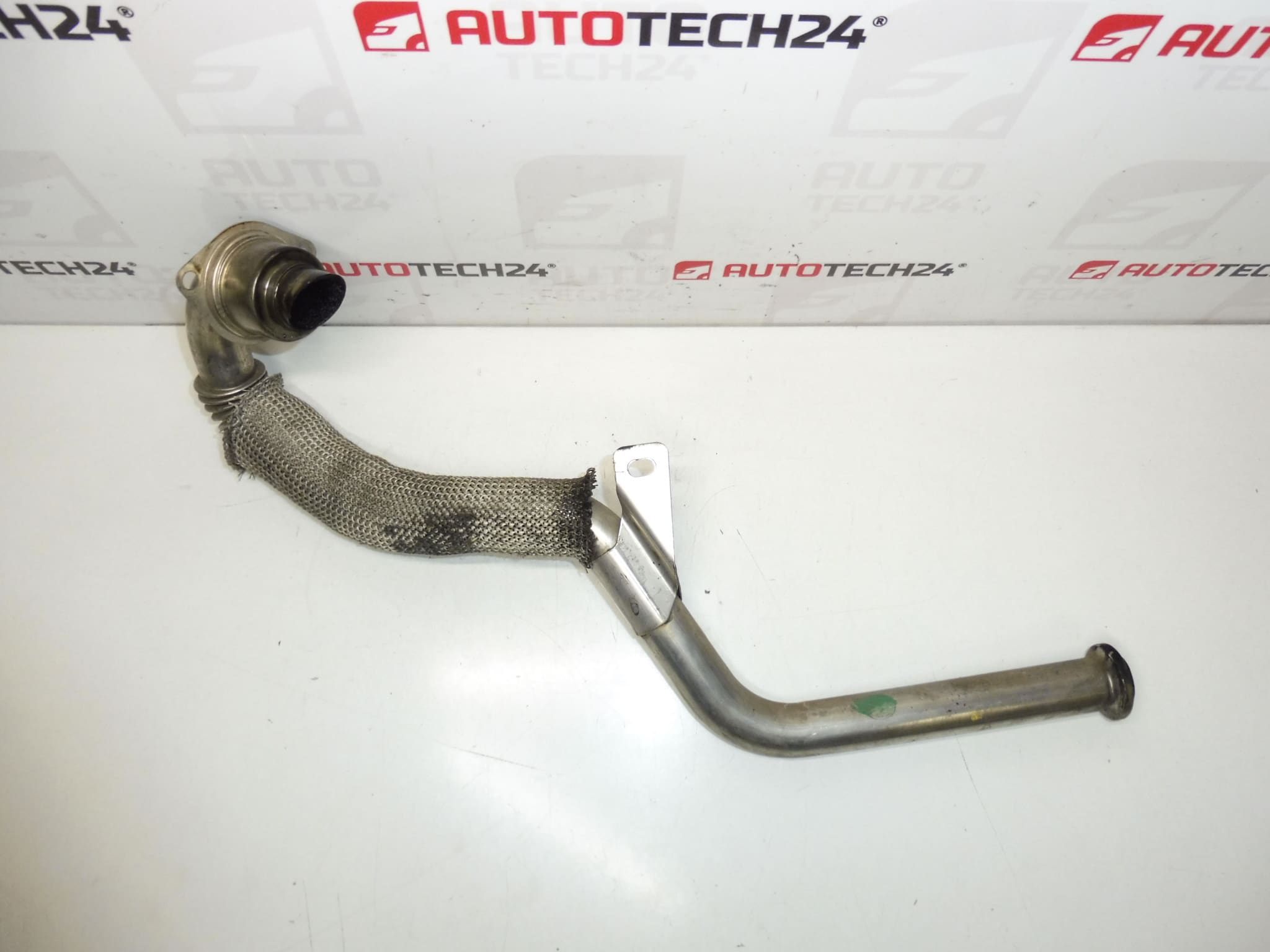
Description
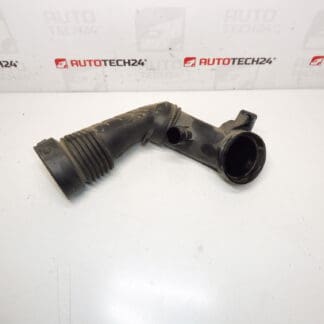
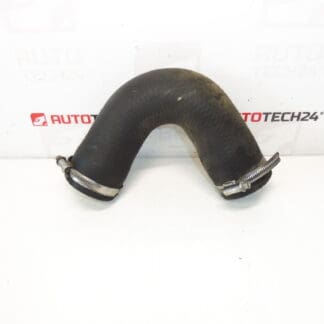
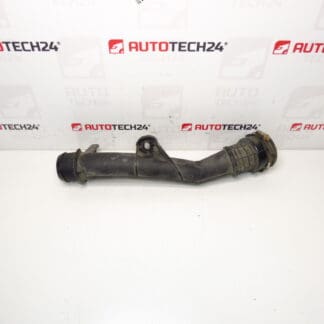
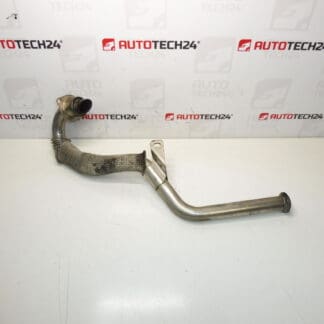
EGR Exhaust Gas Recirculation Pipe For Citroën Peugeot 1.4 HDi 66 kW Engines
This EGR (Exhaust Gas Recirculation) pipe is a direct-fit replacement designed for Citroën and Peugeot 1.4 HDi diesel engines. It restores the correct routing of recirculated exhaust gases between the EGR valve and the intake system, helping to control NOx emissions and maintain engine efficiency. The part is commonly referenced under OEM codes 9643982180 and 1628ZY, making it easy to find in parts catalogs or when searching by product number.
Technical Information
- Manufacturer: Stellantis (Citroën, Peugeot)
- Model: Citroën C3; Peugeot 1007
- Product Codes: 9643982180, 1628ZY, NFP
- Other Numbers: 1628ZY, 9643982180
- Engine: 1.4 HDi 16V (Engine Code 8HY), 66 kW
Fitment And Function
The pipe connects the EGR valve circuit to the intake manifold/turbo system depending on configuration. Its role is to recirculate a metered amount of exhaust gas back into the intake to lower combustion temperatures and reduce nitrogen oxide emissions. Correct fitment is essential to avoid leaks, boost loss, or incorrect EGR operation.
Installation Recommendations
Replace The Part With The Engine Cold. Remove Any Engine Covers That Restrict Access. Loosen Clamps And Fasteners At The EGR Valve And At The Intake/Turbo Connections, Carefully Remove The Old Pipe And Clean The Mating Surfaces. Replace All Gaskets And Sealing Rings During Installation. Tighten Fasteners To The Manufacturer’S Torque Specifications Where Available. After Installation, Start The Engine And Check For Exhaust Leaks, Boost Leaks, And Any Diagnostic Trouble Codes. If You’Re Not Confident With The Procedure, Have The Job Performed By An Experienced Technician.
Common Failure Reasons
EGR Pipes Typically Fail Due To Soot Accumulation, Which Can Restrict Flow Or Cause Backpressure. Thermal Stress And Vibration Over Time Can Lead To Cracks Or Fractures In The Pipe Or At The Flange Joints. Failed Or Worn Gaskets And Clamps Also Cause Leaks That Lead To Poor Idle, Loss Of Power, Increased Emissions, And Check Engine Light Warnings. Corrosion From Condensation And Aggressive Duty Cycles (Short Trips) Accelerates Wear.
How To Recognize A Faulty EGR Pipe
- Illuminated Check Engine Light Or Fault Codes Related To EGR Or Intake Leaks
- Rough Idle, Hesitation, Or Noticeable Loss Of Power
- Black Smoke From The Exhaust Or Increased Fuel Consumption
- Hissing Or Exhaust Smell From Engine Bay Indicating A Leak
Service Life
Service Life Depends On Driving Conditions And Maintenance. In General, Signs Of Trouble Often Appear After Long Service Intervals (Commonly Observed From Around 100,000 Km Upwards), But Actual Durability Varies With Usage, Fuel Quality, And EGR System Maintenance.
Why Choose This Part
Using The Correct EGR Pipe With Matching OEM Codes Ensures Proper Fit And Reliable EGR Function. Replacing A Damaged Or Leaking Pipe Restores Engine Performance, Reduces Emissions, And Prevents Secondary Damage To Turbochargers And Intake Components Caused By Exhaust Leaks Or Excessive Soot Buildup.