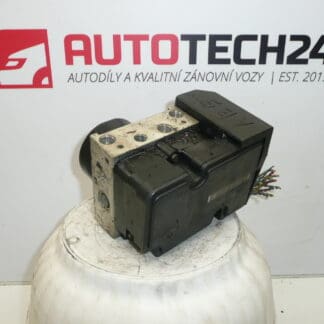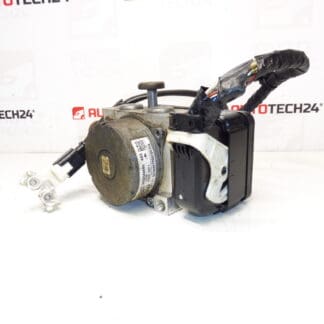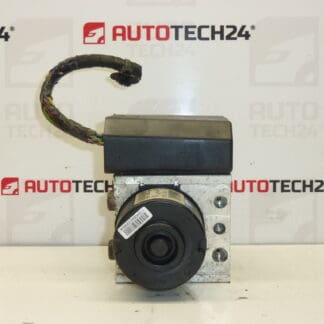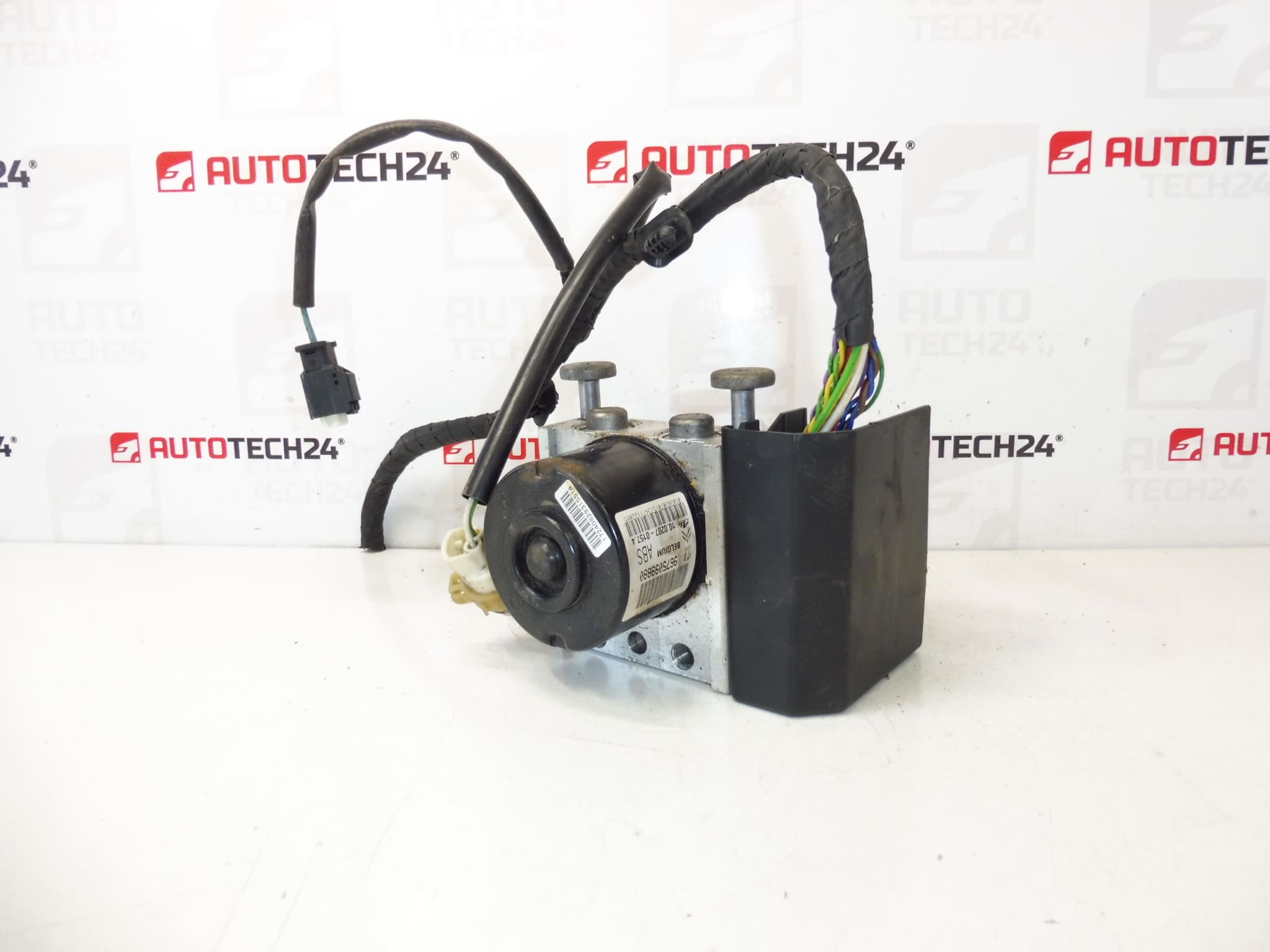
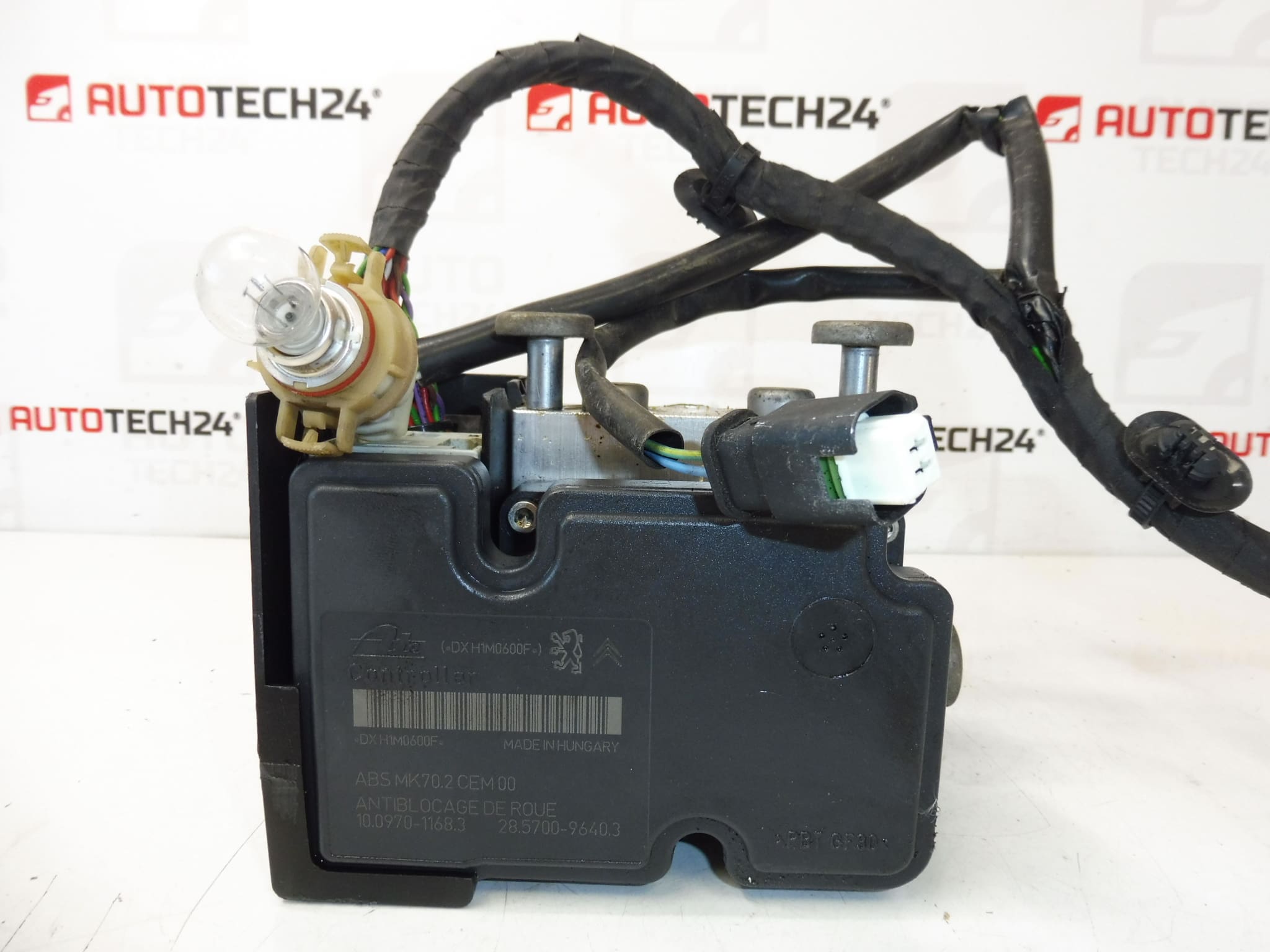
ABS ESP ATE pump + wiring Citroën C5 II 10.0960-1147.3 4541F0

61.00

Stellantis PEUGEOT CITROEN
9657061080 10.0960-1147.3 10.0206-0189.4
4542F0 4542F1 4541G1 4541G2

1 in stock

Description

Control module, pump, unit, cube ABS ESP ATE CITROEN C5
It is a 2006 2.0 HDI RHR Estate
With a piece of wiring harness

Part description

ABS/ESP unit ATE (control module + hydraulic pump) designed for Citroën C5 II cars. This is a complete ABS/ESP “cube” assembly including a piece of wiring harness, which can greatly facilitate wiring when repairing a damaged installation or replacing a connector part. This part is key to the proper functioning of the brake system and stabilization assistants (ABS/ESP) – in the event of a malfunction, it will typically be manifested by the limitation or failure of these functions.

Often Searched by Unit Numbers (ATE/PSA) – Below we list all available codes for easy tracking and matching to an existing part.

Technical information

  • Manufacturer: ATE
  • Model: Citroën C5 II
  • Other numbers: 9657061080, 10.0960-1147.3, 10.0206-0189.4, 4542F0, 4542F1, 4541G1, 4541G2, 4541F0

Product codes

  • Product codes: 9657061080, 10.0960-1147.3, 10.0206-0189.4, 4542F0, 4542F1, 4541G1, 4541G2, 4541F0

Installation recommendations

Generally/typically for ABS/ESP module replacement, the exact steps may vary depending on the specific design and equipment of the car. Below is a practical procedure used when replacing this type of part.

1) Before assembly

  • Compare all part numbers (PSA/ATE) with the old part: especially 9657061080 and 10.0960-1147.3.
  • Check whether a piece of wiring harness is included and whether the wires, insulation or connectors are damaged.
  • Visually check the condition of the unit body: cracks, traces of brake fluid, mechanical damage, oxidized pins in the connector.
  • Recommendation from practice: before disassembly, take a photo of the wiring and the position of the connectors for flawless composition.

2) Necessary tools and materials

  • Common workshop tools (wrench/socket set, screwdrivers, pliers)
  • Suitable cleaning agents (contact cleaner, rags)
  • Diagnostics for a basic check of the system after assembly (common practice)
  • Material for securing cabling securely (tapes, etc.)

3) Step-by-step assembly procedure

  1. Secure the vehicle against movement and prepare access to the ABS/ESP unit.
  2. Disconnect the battery (typically always with electronic modules and wiring work).
  3. Clean the area around the unit to prevent dirt from getting into the connectors and surrounding parts.
  4. Disconnect the electrical connector(s) of the unit – do the unlocking carefully, without prying over the edges of the connector.
  5. If wiring work is part of the repair: check the original harness and prepare the connection/storage so that it is not in tension or in contact with sharp edges.
  6. Dismantle the unit mount and remove the old part.
  7. Install the new used part in the holder/storage and tighten the fasteners appropriately according to common practice (specific values are governed by the manufacturer).
  8. Connect the connector(s) and check that the latch “clicks” properly and the connector fits without play.
  9. Store and secure cabling so that it is not subject to vibration, heat or friction.
  10. Connect the battery.
  11. Perform a basic check of the instrument panel (lights) and brake system function according to the usual procedure.
    • 4) Post-assembly checks and test drive/function verification

      • Check if the system does not behave abnormally after starting (ABS/ESP lights constantly on, etc.).
      • Verify that the connectors hold and that the wiring is not rubbing or pulling anywhere.
      • Do a careful test drive and verify brake function in safe conditions.

      5) The most common assembly mistakes + how to avoid them

      • Unsecured connector → after assembly, always physically check the securing and proper seating.
      • Damage to cabling (pulling, friction, sharp edges) → properly store the bundle, use protection and fixation.
      • Part swapping based on similar appearance → follow the ATE/PSA numbers on the label/unit.
      • Battery not disconnected when handling the electrical installation → always disconnect, you reduce the risk of damage to the electronics.

      Reasons why the part is damaged

      • Moisture and corrosion in the area of connectors and pins (oxidized contacts, transition resistors).
      • Wiring damage (abrasion, broken wires, bad harness repairs) – this item includes a piece of wiring harness which often solves the connector/installation problem.
      • Vibration and mechanical stress leading to loosening of connectors or damage to the attachment.
      • Electrical overvoltage / bad grounding which can damage the electronics of the module.
      • Age and thermal load – gradual degradation of electronic components over time.

Additional information

Weight 3 kg