Description
SAGEM Control Unit For Citroën Berlingo And Peugeot Partner With 1.4i KFW Engine
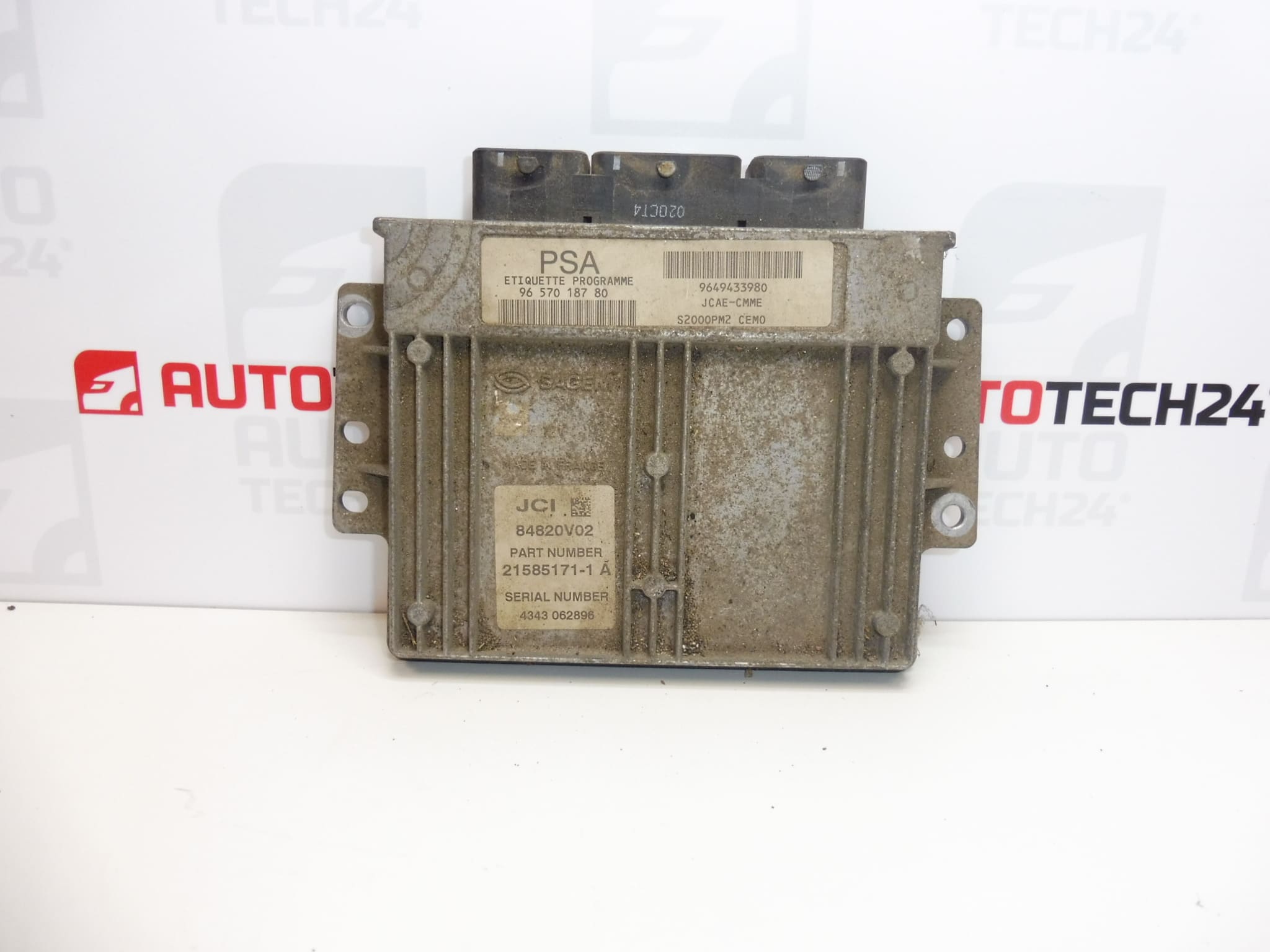
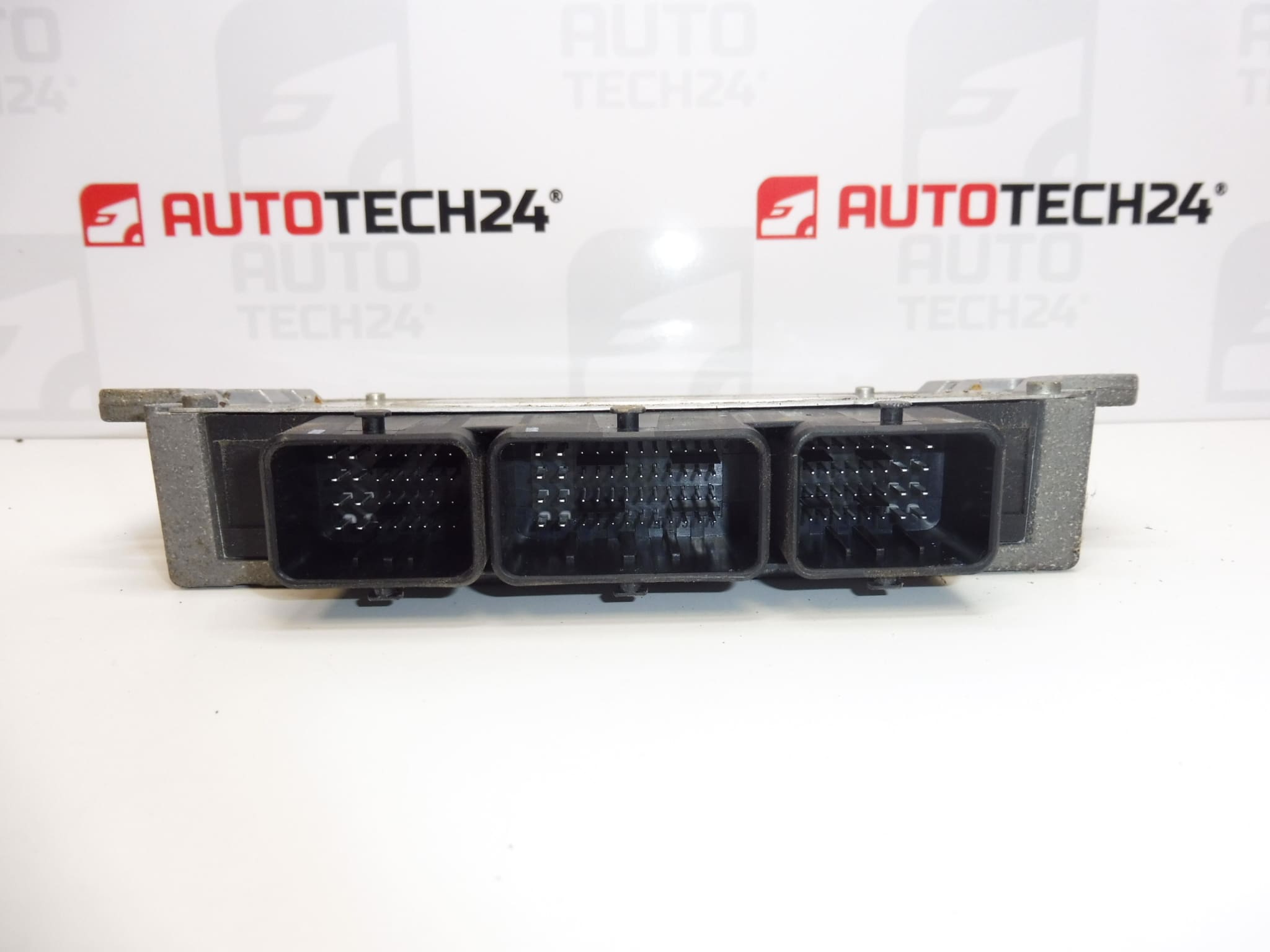
This SAGEM S2000PM2 engine control unit (ECU) is a direct-fit replacement for Citroën Berlingo and Peugeot Partner models equipped with the 1.4i KFW petrol engine. Designed for professional workshops and experienced DIY mechanics, the unit answers common faults such as intermittent no-start, rough idling, loss of power and engine management faults. Supplied with the OE product numbers listed below, this ECU offers a reliable path to restoring proper engine management and drivability when the original unit fails or develops electronic/immobiliser issues.
Technical Information
Manufacturer: SAGEM
Model: S2000PM2
Product Codes: 9657018780, 9649433980
Other Numbers: 1940KJ, 194411
Compatibility
Fits Citroën Berlingo and Peugeot Partner vehicles equipped with the 1.4i KFW petrol engine. Always check the product codes listed above against the unit being replaced to confirm match with the vehicle application.
Function And Common Symptoms
The ECU controls fuel injection timing, ignition signals, sensor processing and communicates with the vehicle immobiliser and dashboard systems. When the ECU malfunctions, typical symptoms include:
- Engine Won’t Start Or Cranks But No Ignition
- Intermittent Stalling Or Rough Idle
- Loss Of Power, Misfires Or Hesitation Under Load
- Illuminated Engine Management / MIL Light And Stored Fault Codes
- Communication Errors With Other Control Modules
Why The Part Typically Fails
There Is No Scheduled Replacement Interval For This Unit. Failures Are Often Age Or Condition Related And Tend To Increase After Several Years Or High Mileage. The Most Common Causes Are:
- Moisture Ingress Or Corrosion On Connectors Leading To Intermittent Contacts
- Heat Stress And Thermal Cycling Causing Electronic Component Degradation
- Electrical Surges Or Short Circuits In The Wiring Harness
- Damage During Previous Repairs Or Improper Handling (Static Discharge)
- Immobiliser Or Key Pairing Issues After Unit Replacement
How To Replace On The Vehicle
Location Of The ECU Varies By Model Year; It Is Typically Mounted In The Engine Bay Or Under The Dashboard. General Replacement Steps For Experienced Technicians:
- Disconnect The Battery Negative Terminal Before Any Work To Prevent Damage.
- Gain Access To The Unit (Remove Protective Covers Or Panels As Required).
- Label And Carefully Disconnect All Wiring Harnesses And Secure Mounting Fasteners.
- Install The Replacement Unit, Reconnect Harnesses And Refit Covers.
- Perform Required Coding/Initialization So The ECU Works With The Immobiliser And Other Modules (See Installation And Coding Section Below).
Installation Recommendations
For Best Results Follow These Recommendations:
- Always Disconnect The Battery Before Removing Or Installing The ECU.
- Avoid Static Discharge — Handle The Unit By Its Housing, Not The Pins.
- Inspect Wiring Harness And Connectors For Corrosion Or Damage And Repair As Needed.
- Use Manufacturer Diagnostic Tools For Coding And Fault Clearing Where Possible.
- If The Vehicle Shows Immobiliser Or Communication Faults After Fitment, Check Pairing/Coding Procedures.
Installation And Coding – Important
- The Unit Is Used And Is “Paired” With The Original Vehicle (VIN/PIN/Keys).
- Options For Commissioning:
- Cloning Data From The Old Unit (EEPROM/Flash) – After Cloning The Unit Is Plug And Play.
- Virginization And Subsequent Initialization/Telecoding Via DiagBox (Or Online) + Key Adaptation.
- Recommended To Be Performed By A Specialist With PSA Service Equipment (DiagBox/Lexia/PP2000).
- Before Removal/Installation Always Disconnect The Battery And Follow The Manufacturer Procedure To Avoid Damaging The Unit.
Tip For Workshops And DIYers
This ECU Is Suited For Replacement Work By Professional Mechanics And Experienced Home Mechanics Familiar With Engine Management Systems. Correct Coding Or Cloning Is Essential To Restore Full Functionality, Especially If Immobiliser Or Key Synchronisation Is Required. If You Observe Intermittent Electrical Symptoms Prior To Replacement, Inspect Connectors And Grounds First — These Are Common, Fixable Causes That May Avoid ECU Replacement.