Description
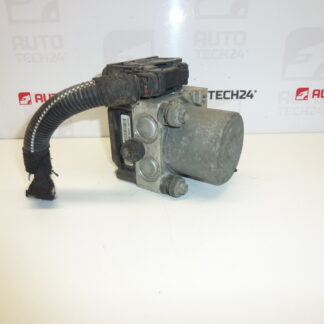
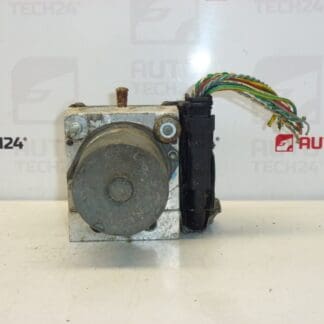
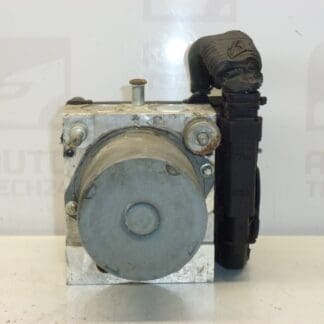
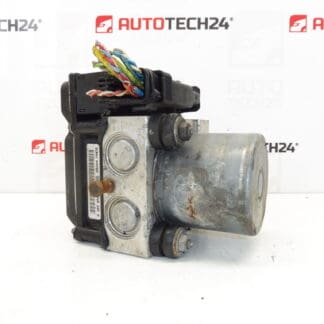
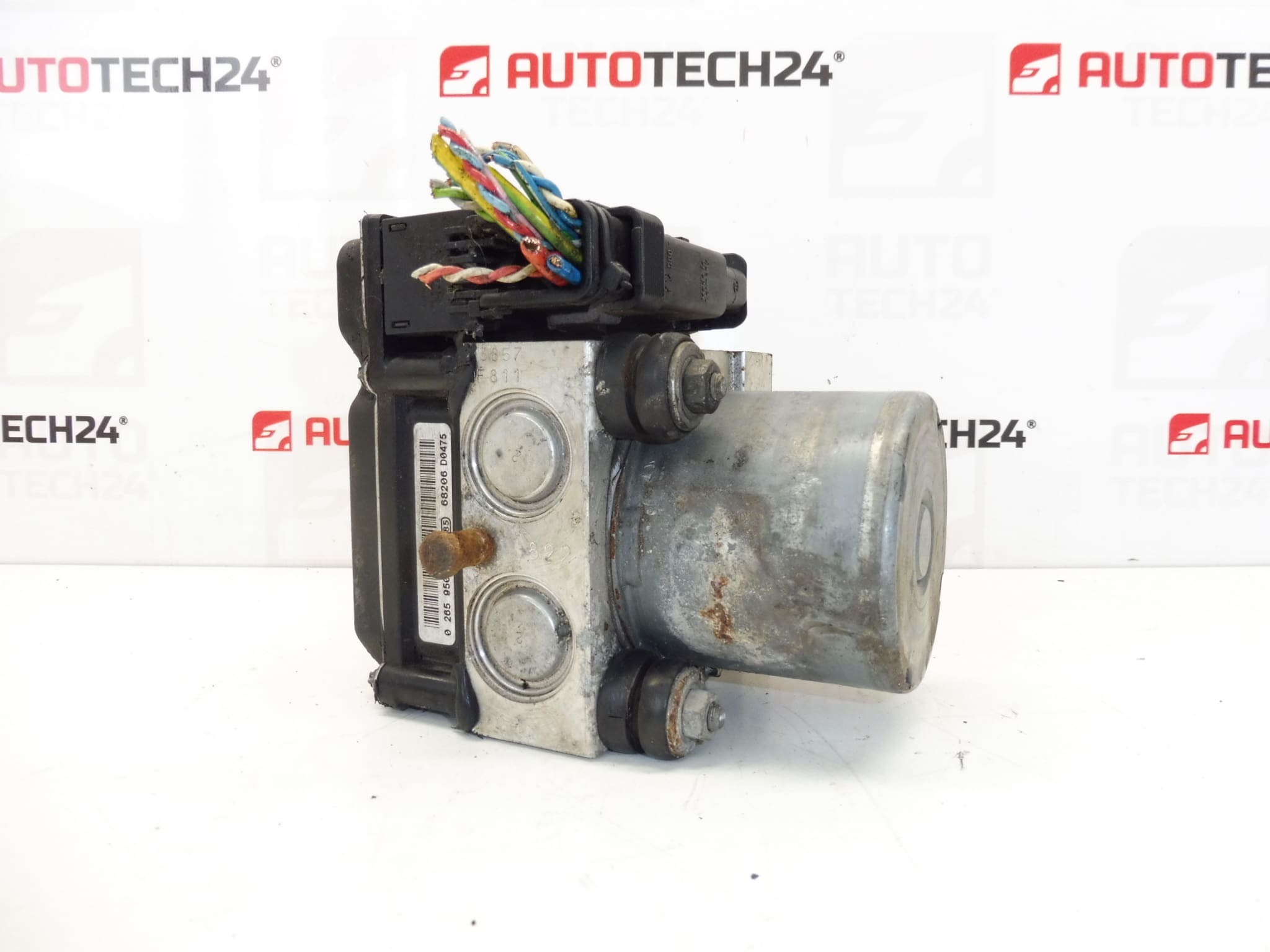
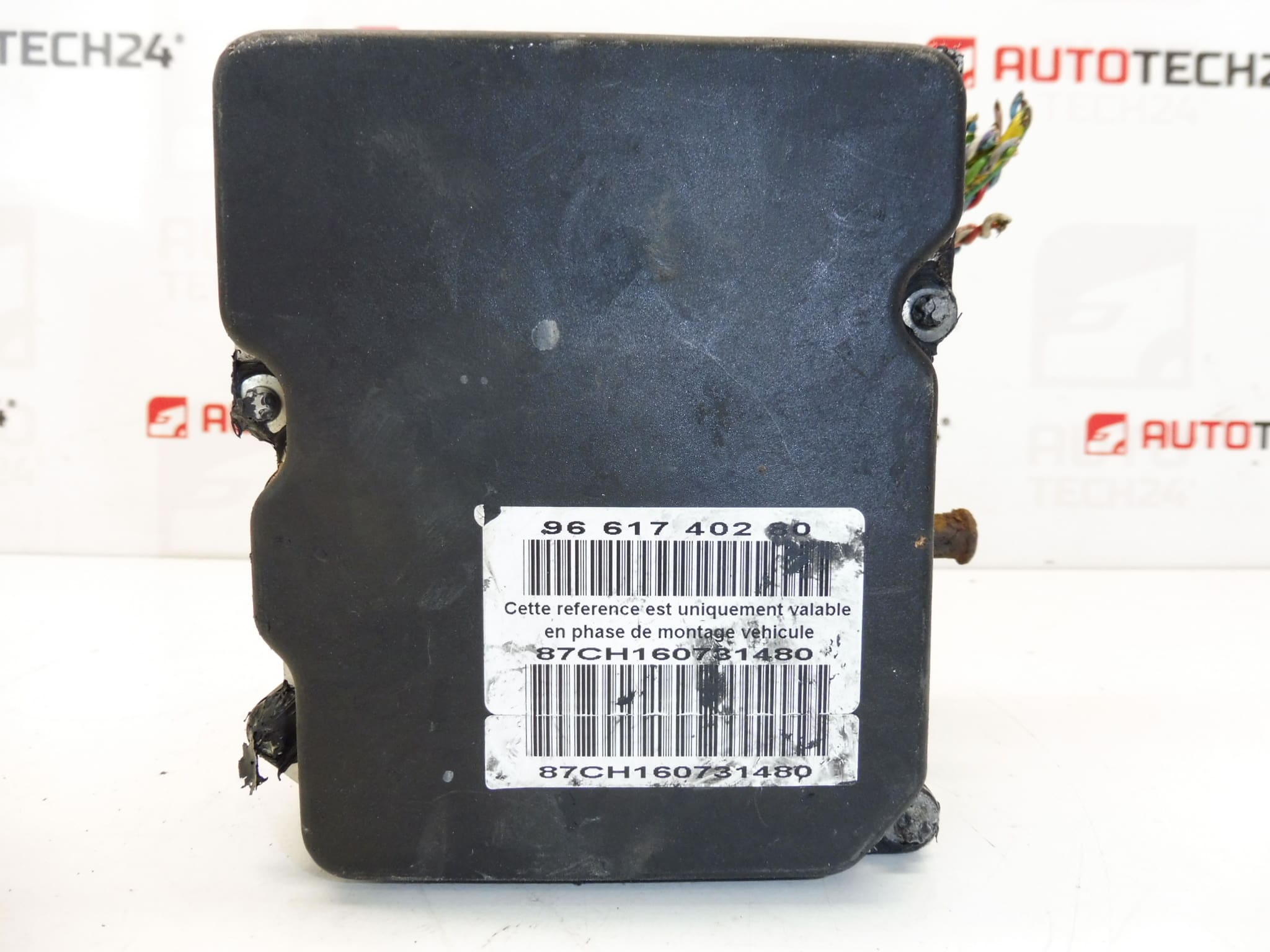
Control Module, ABS Pump, ESP Unit, Bosch ABS Block for Peugeot 307. Comes with a short section of wiring.
Overview
High-quality Bosch ABS/ESP control module designed for Peugeot 307 models. The unit integrates the hydraulic pump and electronic control to manage Anti‑Lock Braking (ABS) and Electronic Stability Program (ESP) functions, ensuring controlled braking, improved vehicle stability and safer handling in emergency maneuvers. Supplied with a short length of wiring for easier installation.
Key Features
- Integrated ABS hydraulic pump and electronic control unit (ECU) by Bosch.
- Manages ABS and ESP functions: wheel speed monitoring, brake pressure modulation and pump activation.
- Direct fit for Peugeot 307 variants equipped with Bosch ABS/ESP systems.
- Supplied with attached wiring section to simplify connector routing and reduce installation time.
Benefits For Mechanics And DIY Enthusiasts
- OEM Bosch design ensures compatibility with vehicle braking and stability systems.
- Replacement restores ABS/ESP functionality, eliminating warning lights and degraded braking performance.
- Useful when diagnosing intermittent ABS faults — replacing the unit can be the definitive repair after sensor and wiring checks.
Technical Information
- Manufacturer: Bosch (Used On Stellantis / Citroën / Peugeot Vehicles)
- Model: Peugeot 307 (Bosch ABS/ESP Application)
- Product Codes: 9661740280, 0265950374, 0265234153
- Additional Numbers: 9649988180, 4541J3, NFP
Compatibility
Designed for Peugeot 307 models equipped with Bosch ABS/ESP modules. Confirm fitment by matching the vehicle’s ABS module part number with one of the product codes listed above.
How The Unit Functions
The ABS/ESP unit continuously monitors wheel speed sensors and modulates hydraulic pressure through solenoid valves and the integrated pump. During wheel lock or slip events the ECU rapidly adjusts pressure to individual wheels to maintain traction and vehicle stability. It also communicates with other vehicle systems (engine management, airbag, traction control) to coordinate safety responses.
Typical Replacement Procedure
- Safety First: Disconnect the negative battery terminal before any work to avoid electrical damage and airbag faults.
- Gain Access: Remove necessary trim, underbody covers or wheel arch liners to access the ABS unit depending on model layout.
- Drain/Protect: Be prepared for some brake fluid loss; protect painted surfaces from contamination.
- Electrical Disconnect: Unplug connectors and remove any retaining clips. Inspect connector pins and wiring for corrosion or damage.
- Hydraulic Lines: Carefully loosen and cap brake lines to avoid contamination; note the location of each line for reassembly.
- Unbolt Unit: Remove mounting bolts and extract the module. Transfer any brackets or grommets as required.
- Install New Unit: Mount and torque fasteners to manufacturer values, reconnect hydraulic lines and electrical connectors.
- Bleed Brakes: Perform thorough brake bleeding (preferably pressure or vacuum bleeding) to remove air from the system.
- Diagnostics & Calibration: Use a compatible diagnostic tool to clear faults and perform ABS/ESP initialization or bleeding procedures as required by the vehicle.
Recommendations For Installation
- Perform the replacement in a clean environment and do not introduce dirt into the brake hydraulic system.
- Always replace or inspect brake fluid and hoses; contaminated fluid can cause early failure.
- Check wheel speed sensors, tone rings and wiring before replacing the module — failed sensors are a common cause of ABS faults.
- Use the correct diagnostic equipment (DiagBox or equivalent for PSA vehicles) for fault clearing and system initialization.
- If unsure about hydraulic connections or diagnostics, have the system serviced by a qualified technician.
Why This Part Commonly Fails
- Moisture Ingress And Corrosion: Water penetration and corrosion of hydraulic ports or electronic connectors cause electrical faults or hydraulic leaks.
- Electrical Surges Or Poor Grounding: Voltage spikes, poor battery connections or jump‑starting mistakes can damage internal electronics.
- Wear Of Pump Motor And Valves: Mechanical wear of the pump motor or hydraulic valve block may lead to loss of pump function or pressure modulation.
- Connector Damage And Wiring Faults: Broken pins, chafed wiring or rodent damage produce intermittent faults that affect unit behavior.
- Contaminated Brake Fluid: Debris or moisture in the brake fluid accelerates corrosion inside the hydraulic block.
Final Notes
Replacing an ABS/ESP module restores critical safety functions but should be done with care: follow manufacturer procedures for disconnection, bleeding and diagnostics to ensure safe and correct operation after installation.