Description
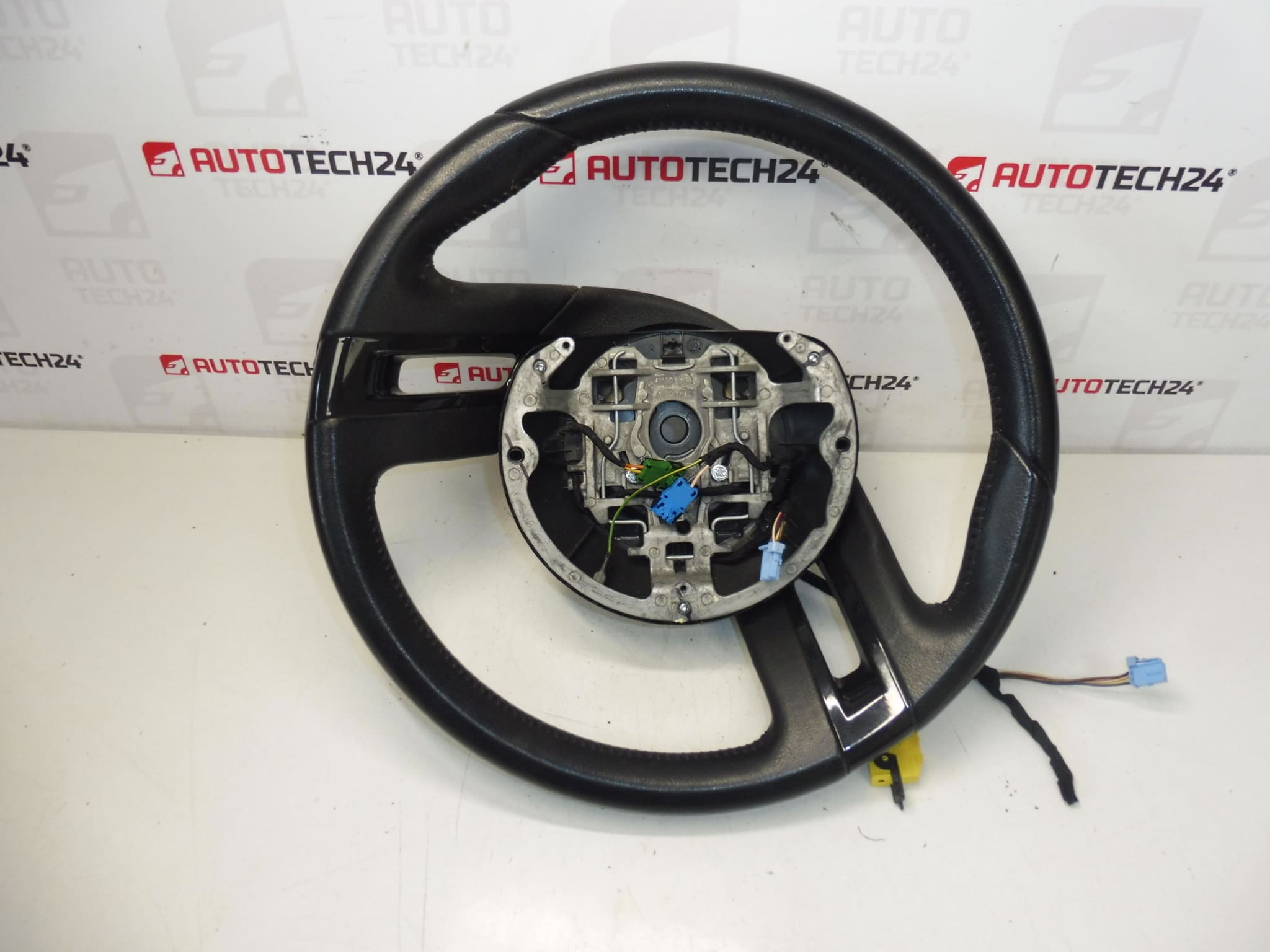
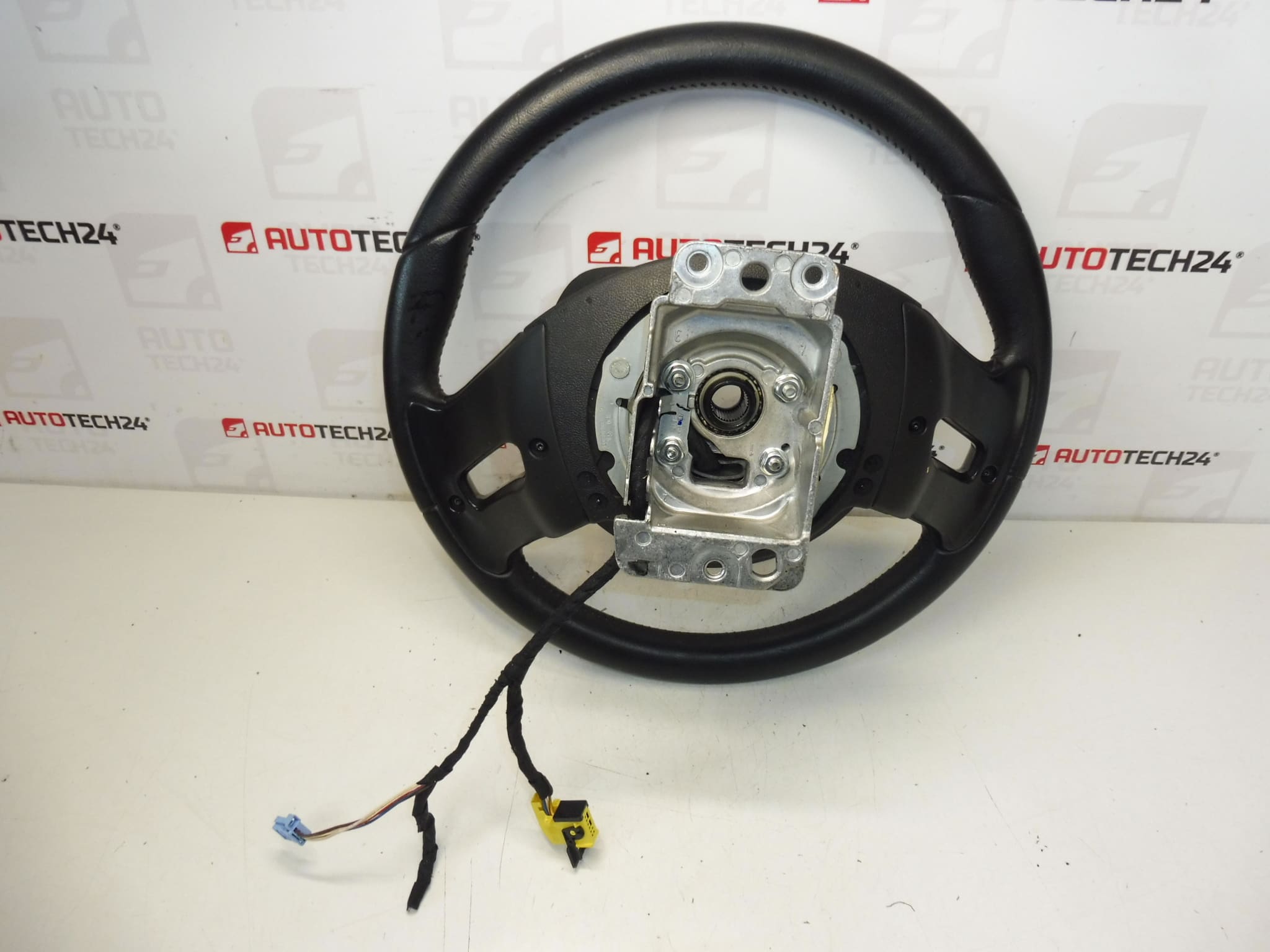
Steering wheel for Citroën C4 and C4 Picasso first series. Very good condition, not worn. Color HZD – Black Mistral.
Overview
High-quality original steering wheel for Citroën models, ideal for mechanics and skilled DIYers looking to replace a worn or damaged steering wheel. Frequently searched under product codes 96821842ZD and 4109HN, this steering wheel retains the original finish and controls layout, delivering a factory fit and feel.
Function
The steering wheel provides driver input to the steering system and houses integrated components such as the horn, airbag module, and control switches for audio or onboard systems where equipped. It is a central interior element that affects ergonomics, safety and cabin aesthetics.
Compatibility And Fitment
Designed for Citroën C4 and Citroën C4 Picasso (first series). Confirm fitment by matching the product codes 96821842ZD or 4109HN with the part required for the vehicle. The wheel is finished in Black Mistral (Color Code HZD).
Replacement Procedure
- Disconnect the vehicle battery and wait at least 10 minutes before touching the airbag to avoid accidental deployment.
- Mark the steering wheel position relative to the steering column to preserve alignment.
- Remove the airbag module by releasing the retaining clips or screws from the rear of the wheel and carefully disconnect the airbag and horn connectors.
- Loosen and remove the central retaining nut, then use a suitable steering wheel puller to remove the wheel from the splined shaft without damaging the column.
- Transfer any switches or trim pieces if required, fit the replacement wheel onto the spline ensuring alignment marks match, and tighten the retaining nut to the manufacturer’s specified torque.
- Reconnect connectors, refit the airbag module, reconnect the battery, and verify that SRS and steering controls are functioning. Steering angle sensor recalibration may be required using diagnostic equipment.
Technical Information
- Manufacturer: Stellantis / Citroën
- Model: Citroën C4; Citroën C4 Picasso (First Series)
- Product Codes: 96821842ZD, 4109HN
- Other Numbers: NFP; Color Code HZD – Black Mistral
Installation Recommendations
Always observe safety procedures when working with SRS components. Disconnect the battery before starting and allow capacitors to discharge. Use proper tools (steering wheel puller, torque wrench) and follow the vehicle manufacturer’s tightening specifications. After installation, check that airbag warning lamp extinguishes and, if necessary, perform steering angle sensor calibration with appropriate PSA diagnostic tools.
Why This Part Most Commonly Fails
Steering wheels typically show wear from constant handling: leather or trim can fade, crack or become shiny from oils and abrasion. Excessive sun exposure accelerates deterioration. Mechanical issues can arise from impacts in collisions, which may damage mounting splines or the airbag/horn connectors. Electrically, buttons and switches can fail from use or moisture ingress.
Ideal For
Professional workshops and experienced DIYers who require a ready-to-fit replacement steering wheel for Citroën C4 / C4 Picasso first-series vehicles. Searchable by part numbers 96821842ZD and 4109HN for fast identification.