Description
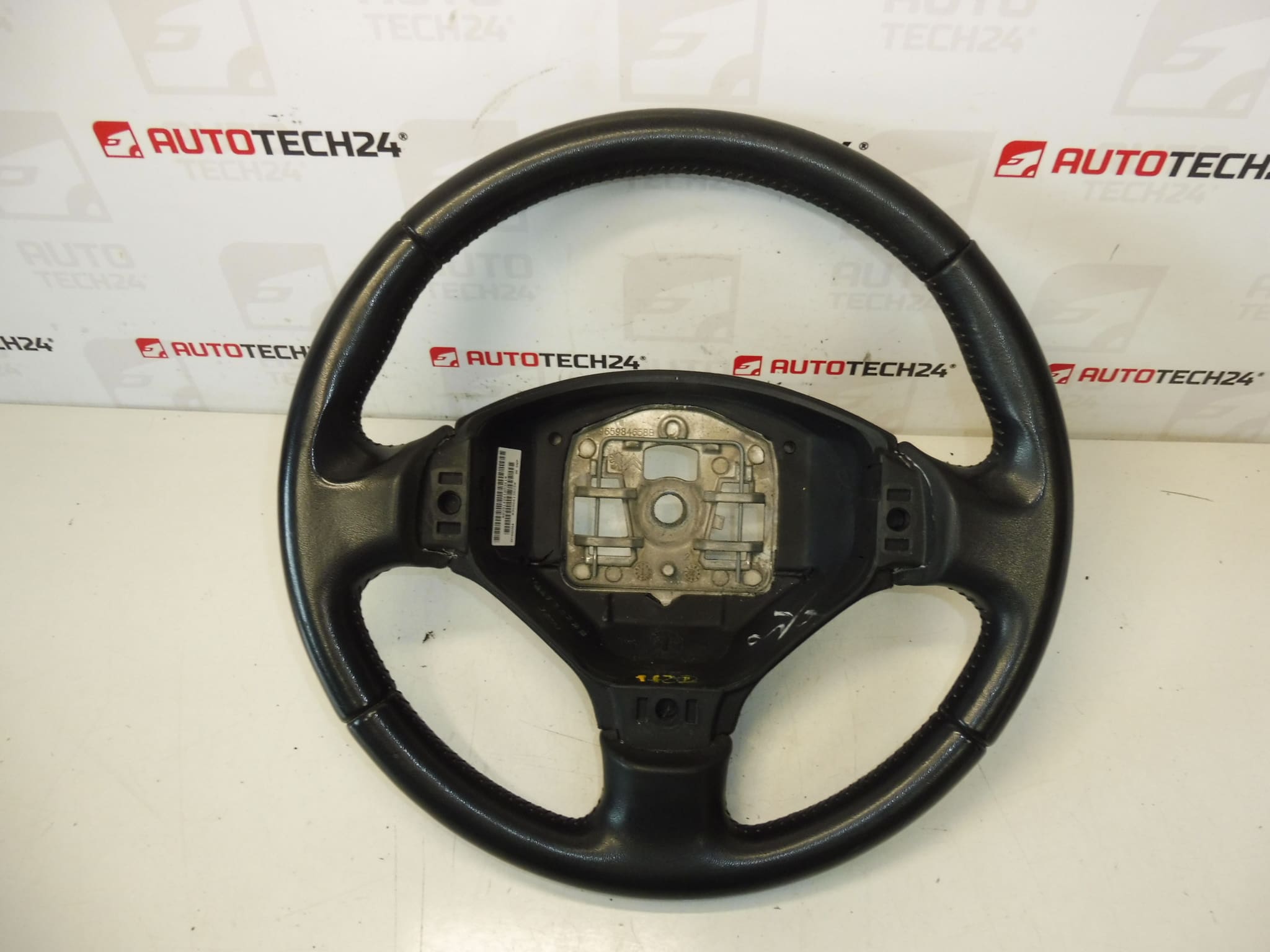
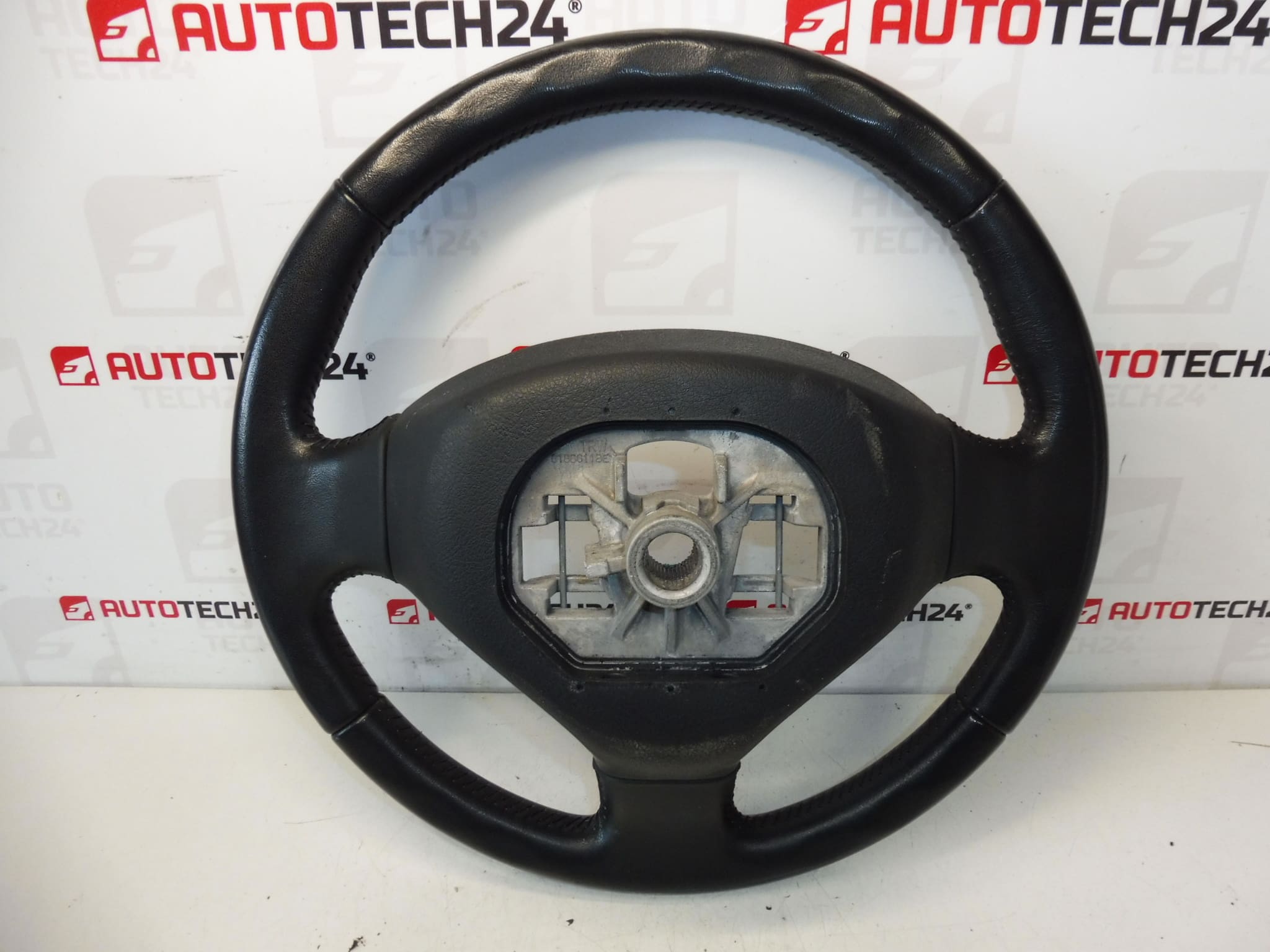
Steering wheel for Peugeot 3008 and 5008 first generation. This is a used part and may show light signs of wear. HZD – Black Mistral.
Overview
High-quality replacement steering wheel suitable for first generation Peugeot 3008 and 5008. Ideal for mechanics and DIY enthusiasts looking for an original-style wheel with Mistral black trim. The unit preserves the original mounting interface and airbag provision, enabling direct replacement in compatible vehicles when correctly installed.
Function And Application
The steering wheel is the primary driver interface for vehicle steering, housing the horn, airbag module, and, where fitted, multifunction controls (audio, cruise control, phone). It ensures correct ergonomics and control feedback. In normal conditions steering wheels are durable; most replacements are due to cosmetic wear, damage from accidents, or malfunctioning control switches.
Replacement Procedure
- Disconnect the battery and wait at least 10 minutes to allow the airbag system capacitors to discharge.
- Center the front wheels and mark the steering column spline and steering wheel position to preserve alignment.
- Remove the airbag module following the manufacturer procedure (fasteners/clips), disconnect airbag and horn connectors carefully.
- Loosen and remove the central retaining nut/bolt, then withdraw the steering wheel from the column spline.
- Transfer any switches or trim pieces if required, or install the replacement wheel, aligning splines to the marks made earlier.
- Tighten the central nut/bolt to the manufacturer torque specification, reconnect airbag and horn connectors, reinstall the airbag module.
- Reconnect the battery and verify proper operation of airbag warning lamp, horn and any steering wheel controls. If any faults appear, diagnose the clockspring (spiral cable) and associated connectors.
Installation Recommendations
- Work Should Be Performed By A Qualified Technician When Airbag Systems Are Involved. Safety Is Paramount.
- Always Disconnect The Battery Before Starting And Observe The Manufacturer’s Procedures To Avoid Damage To Electronic Components.
- Mark Alignment Points To Ensure Steering Wheel And Steering Angle Sensor Remain Correctly Aligned.
- Inspect The Clockspring (Spiral Cable) And Airbag Connectors For Damage; Replace If Any Signs Of Wear Or Damage Are Found.
- If Transferring Buttons Or Airbag From Old Wheel, Ensure All Connectors Are Clean And Correctly Seated.
Common Failure Reasons
- Cosmetic Wear: Surface wear, fading or cracking of the rim material due to mileage and use.
- Mechanical Damage: Impact from accidents or improper removal can deform the wheel or damage mounting splines.
- Switch Or Wiring Faults: Multifunction button failure or damaged wiring/connectors, often caused by moisture ingress or heavy use.
- Airbag Deployment: After deployment the steering wheel (and airbag) must be replaced; deployed units are not serviceable.
Technical Information
- Manufacturer: Peugeot / Stellantis
- Model: Peugeot 3008 I, Peugeot 5008 I
- Product Codes: 96866138ZD
- Other Numbers: HZD – Black Mistral (trim)
Compatibility And Notes
This steering wheel is intended for first generation Peugeot 3008 and 5008 models. As this is a used item it may have minor signs of wear. When replacing, verify that all connectors, the clockspring and airbag module are in good condition to ensure safe operation.
Why Choose This Part
Original-style steering wheel with correct fitment and trim finish for Peugeot 3008/5008 I. A practical choice for repair shops and DIYers seeking a direct-fit replacement that restores the vehicle’s original look and driver interface.