Description
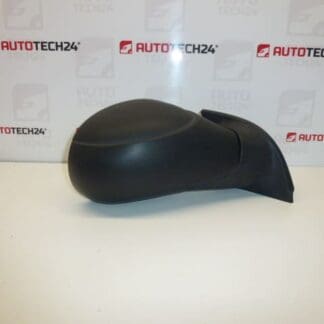
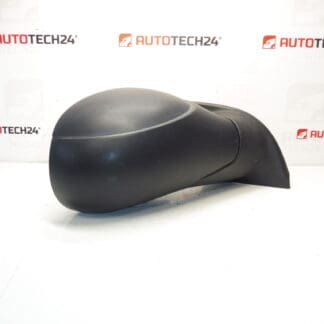
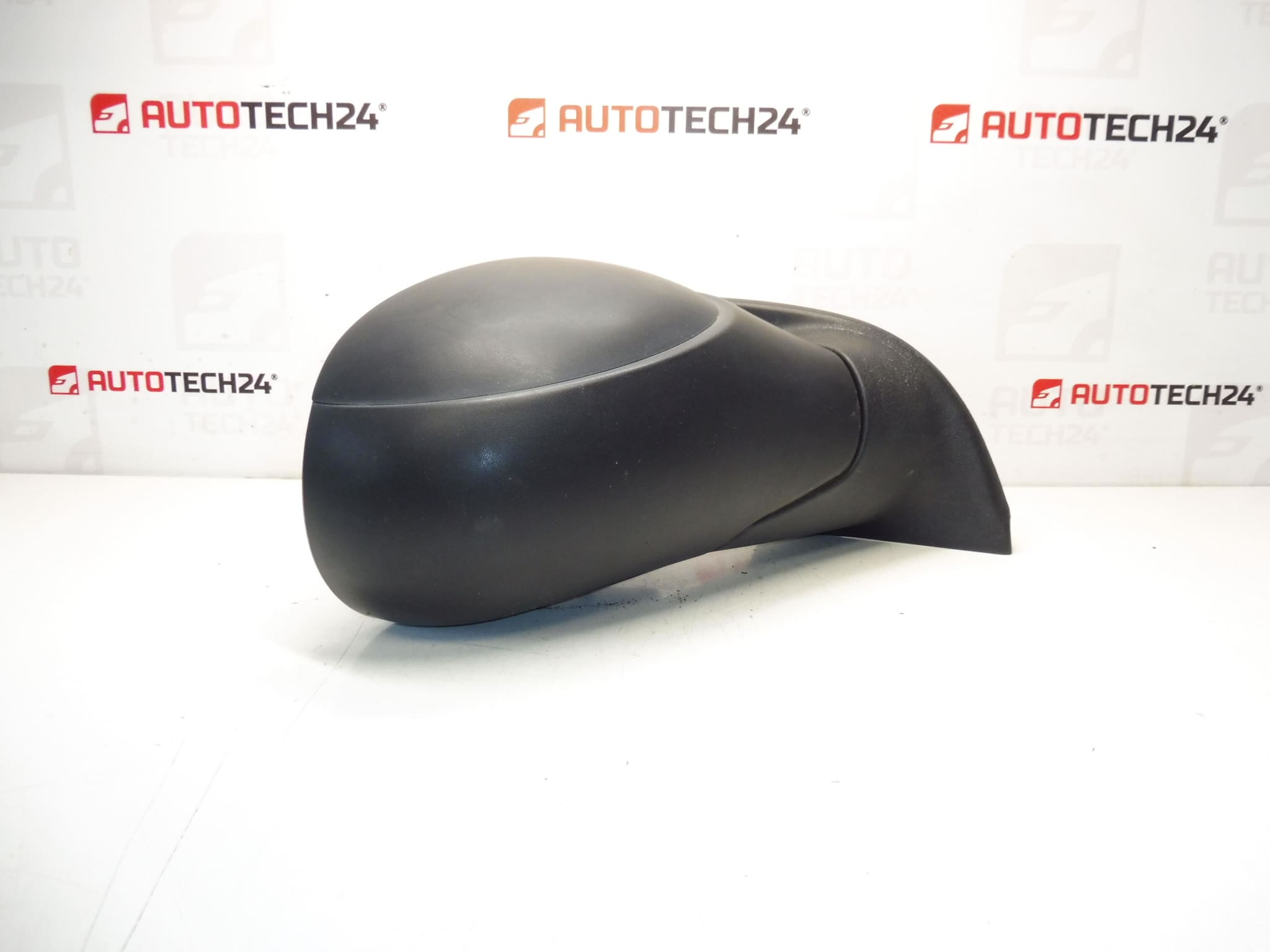
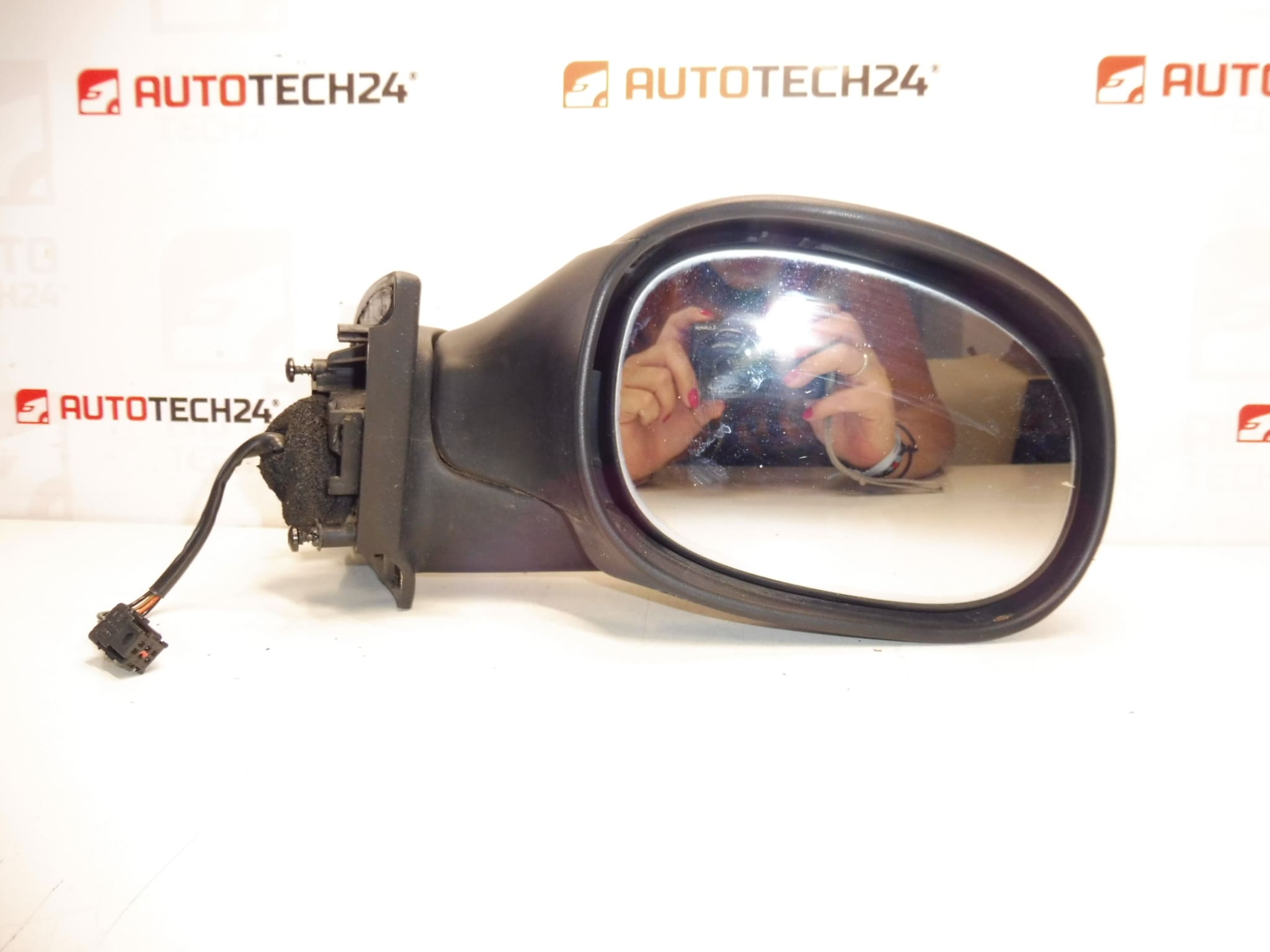
Original right passenger side mirror for CITROËN C3
Electrically operated, non-heated, temperature sensor
Passenger Door
5 PIN
Replacement right‑hand exterior mirror assembly designed for Citroën C3 models. This electrically adjustable, non‑heated passenger side mirror includes an ambient temperature sensor and a 5‑pin connector. It is an ideal spare part for workshops and DIY mechanics searching by part number (8149RW) who need a direct‑fit unit to restore mirror adjustment functions after damage or failure.
Key Features
– Electrically adjustable mirror motor for remote tilt and angle setting.
– Non‑heated glass (no heating element) but fitted with an ambient temperature sensor.
– 5‑pin electrical connector for direct replacement on compatible door harnesses.
– Designed for the passenger (right) door; OEM fitment for Citroën C3 applications with matching connector.
Technical Information
- Manufacturer: Stellantis (Citroën/Peugeot)
- Model(s): Citroën C3 (Passenger Side – vehicles equipped with 5‑pin mirror connector)
- Product Codes: 8149RW
- Other Numbers: Connector: 5‑Pin; Function: Electrically Adjustable, Non‑Heated, Ambient Temperature Sensor
Installation Recommendations
Before starting work always disconnect the vehicle battery and follow the vehicle manufacturer’s safety procedures. Typical replacement steps:
- Remove the interior door trim or the small mirror access panel to reach the mirror mounting bolts.
- Unscrew the mirror retaining bolts and carefully support the mirror to avoid dropping it.
- Disconnect the 5‑pin electrical connector from the mirror harness.
- Transfer any original trim plates or covers (if required) and fit the new mirror assembly to the door, tightening bolts to the manufacturer’s torque specifications.
- Reconnect the connector and the battery, then verify mirror adjustment functions and temperature sensor readout (if available in instrument cluster).
Use soft trim tools to avoid damaging door panels. If the original mirror has additional features (folding motor, memory) verify compatibility before installation. For safe handling, place the mirror on a soft surface to prevent scratching the glass.
Why The Part Commonly Fails
Exterior mirrors most often fail due to:
- Impact Damage: Collisions, parking impacts or folding into obstacles are the most frequent causes of broken housings, cracked glass or damaged adjustment motors.
- Water Ingress And Corrosion: Seals or connector corrosion can cause erratic adjustment or electrical failures, particularly in older cars or after repeated exposure to moisture.
- Motor Or Gear Wear: Repeated use over many years can wear the small adjustment motors and gears, leading to sluggish or non‑functional adjustment.
- Electrical Connector Issues: Bent pins or damaged wiring in the 5‑pin connector can interrupt power or signal to the mirror and sensor.
Practical Tips For Workshops And DIY Mechanics
- Search By Part Number: Many technicians and customers look up mirrors using the code 8149RW — including this reference in your order speeds identification.
- Test Before Final Assembly: After connecting the new mirror and before reassembling the door trim, test all adjustment directions and check the ambient temperature reading where applicable.
- Preserve Original Fasteners: If the original mounting hardware is undamaged, reuse it for correct fit and alignment; replace any stripped screws or cracked clips.
Compatibility And Fitment Notes
This mirror is intended for Citroën C3 passenger side doors that accept a 5‑pin electrically adjustable, non‑heated unit with an integrated temperature sensor. Fitment depends on the vehicle equipment level and connector type — confirm visual match of the connector and mounting points before installation.