Description
Dashboard Airbag, Passenger Airbag For Peugeot 407
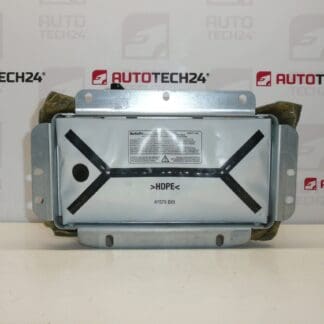
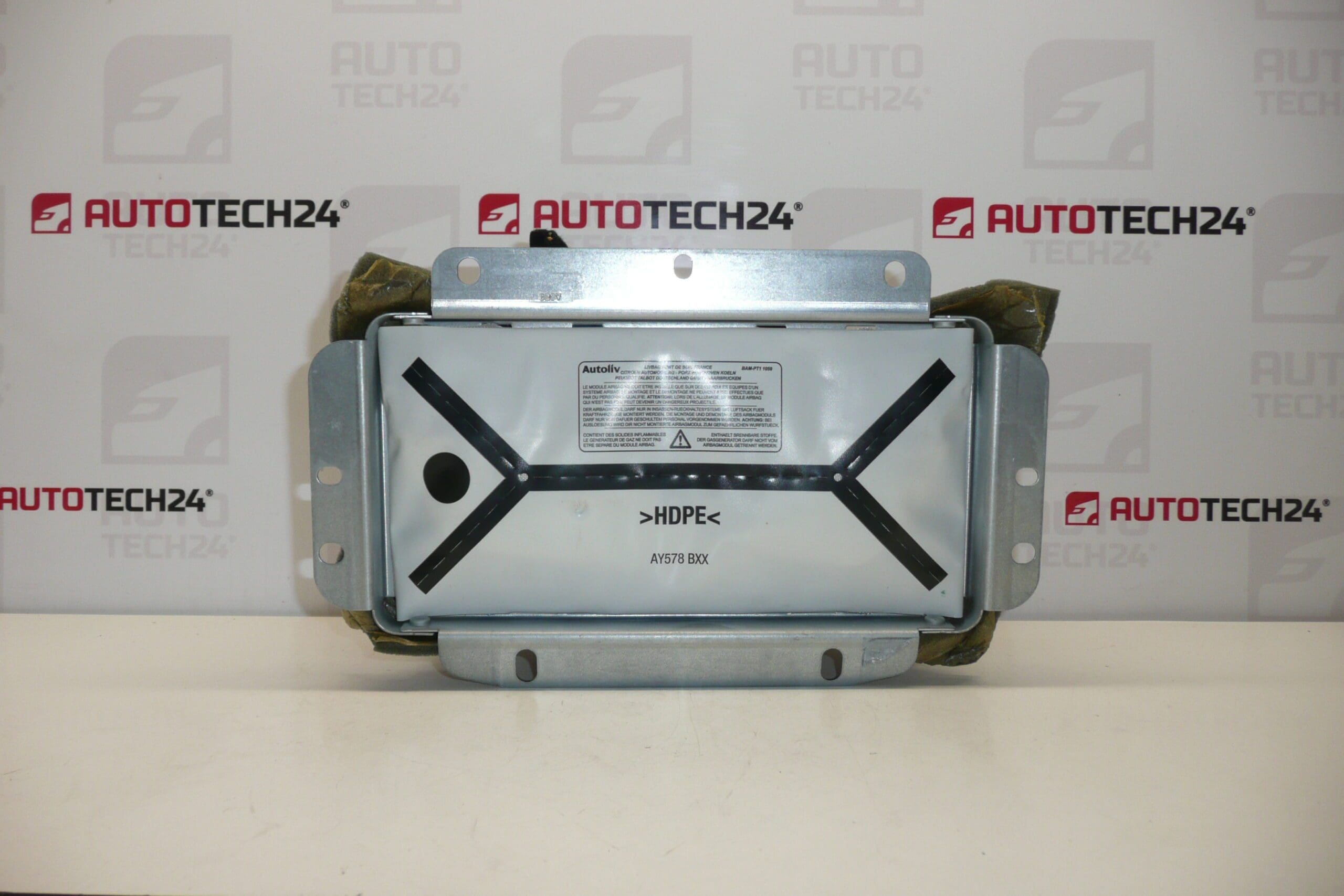
This passenger dashboard airbag is designed specifically for the Peugeot 407 and is an essential component of the SRS safety system. It protects the front-seat passenger in the event of a qualifying frontal impact by rapidly inflating to cushion and reduce the risk of injury. The part is commonly searched by part numbers 9644588880 and 8216CK, making it easy to locate for fast replacement.
Features And Function
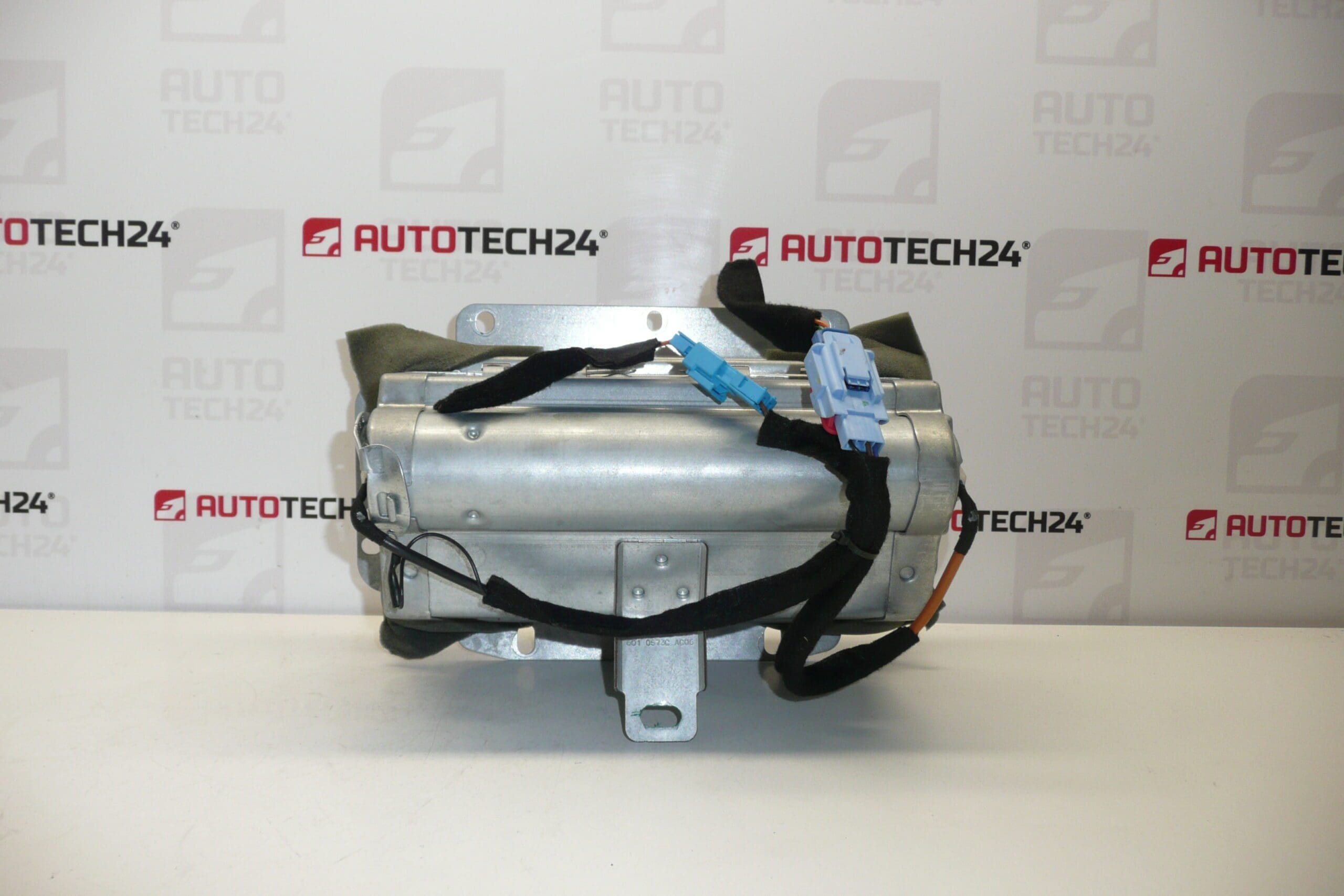
The module contains the folded airbag cushion and the pyrotechnic inflator (gas generator) integrated into a single dashboard-mounted assembly. When the airbag control unit detects a severe frontal collision, it triggers the inflator to deploy the cushion in milliseconds. Proper mechanical fixation and correct electrical connection to the SRS wiring are critical for reliable operation. This unit is intended for the front passenger position (dashboard).
Fitment & Compatibility
- Manufacturer: Stellantis / Peugeot
- Model: Peugeot 407 (Saloon / Estate (SW) / Coupé) — commonly 2004–2011 production years
- Passenger Position: Front Passenger (Dashboard)
- Commonly Referenced Part Numbers: 9644588880, 8216CK
Technical Information
- Manufacturer: Stellantis / Peugeot
- Model: Peugeot 407
- Product Codes: 9644588880, 8216CK
- Additional Numbers: NFP
Installation Recommendations
- Always Disconnect The Battery Before Starting Work And Wait At Least 10 Minutes To Allow The SRS Capacitor To Discharge.
- Follow Manufacturer Procedures For Dashboard Trim Removal; Remove The Glovebox Or Surround Panels Carefully To Access Mounting Bolts.
- Note The Position And Orientation Of The Old Unit Before Removal. Unclip And Disconnect The Airbag Connector(s) Using The Correct Tools And Release Tabs—Do Not Pull On Wires.
- Install The Replacement Unit In The Correct Orientation, Tighten Fasteners To The Specified Torque, And Reconnect The Airbag Connector Securely.
- After Installation, Reconnect The Battery And Verify SRS System Status; If The SRS Warning Light Remains On, Perform Diagnostic Check With Suitable Scan Tool.
- If In Doubt, Have The Final Checks Performed By A Qualified Technician With Proper Diagnostic Equipment.
Why This Part Most Commonly Fails
- Deployment In A Collision: Airbags Are Single-Use Components — Once Deployed They Must Be Replaced.
- Electrical Faults Or Connector Damage: Corrosion, Loose Connections Or Wire Damage Can Prevent Proper Deployment And Trigger The SRS Warning Light.
- Water Ingress Or Interior Damage: Leaks Into The Dashboard Area Can Damage The Module Or Connectors.
- Previous Improper Repairs: Nonstandard Repairs After An Accident Can Compromise The Unit.
- Age-Related Degradation: Although Designed For Long Service Life, Extreme Environmental Conditions Can Affect Wiring And Connectors.
Notes For Mechanics And DIY Enthusiasts
Airbag replacement is safety-critical work. While experienced technicians and competent DIYers can perform the mechanical replacement, the installation must preserve SRS integrity: correct connectors, secure mounting, and verification of the airbag system status with a diagnostic tool. Use the exact part numbers when ordering to ensure correct fitment (9644588880, 8216CK). There is no routine scheduled replacement for airbags; replacement is normally required after deployment or when the unit or its electrical connection is damaged.
Keywords For Search
Peugeot 407 Passenger Airbag, Dashboard Airbag Peugeot 407, 9644588880, 8216CK, SRS Airbag Replacement