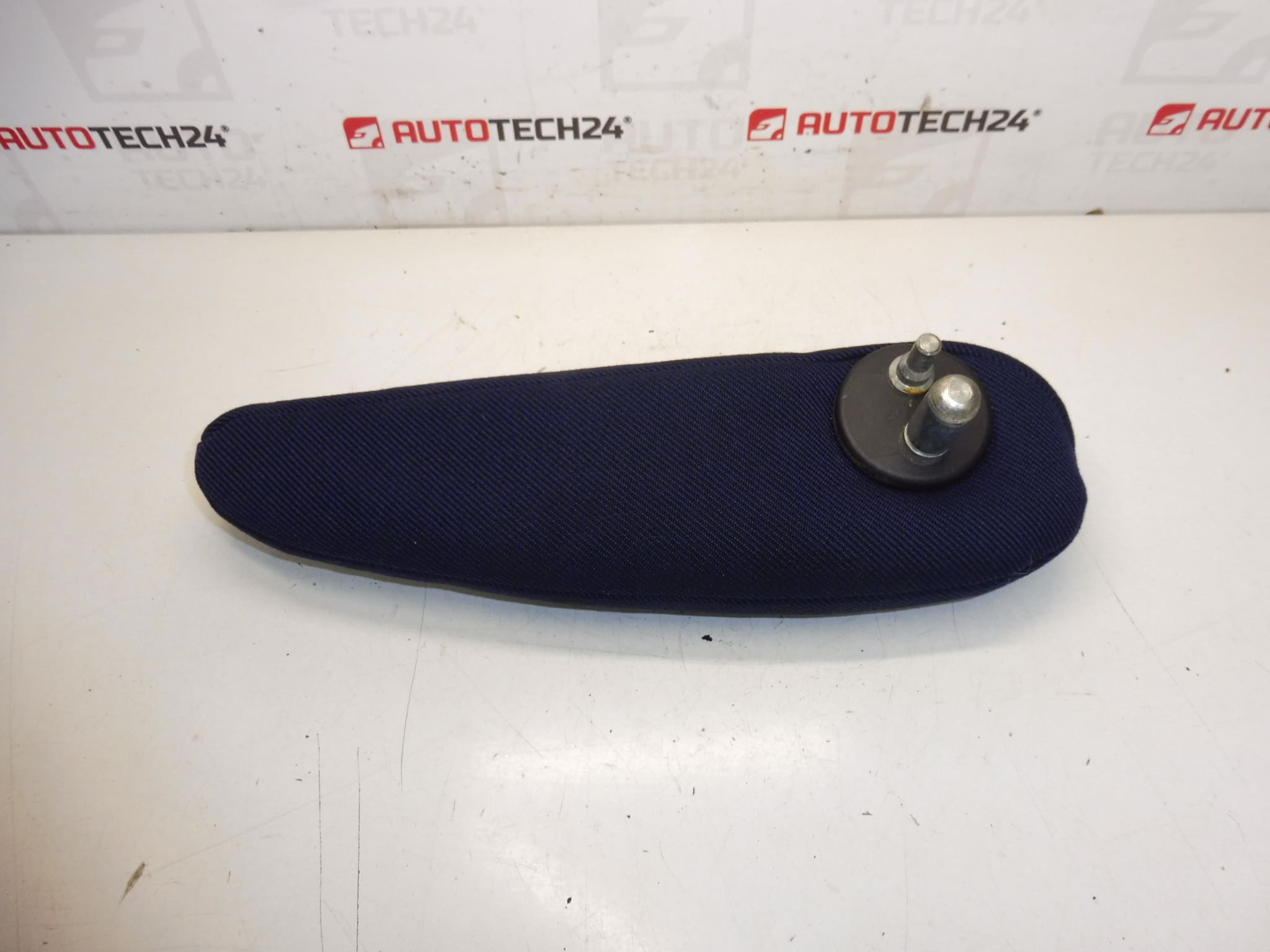
Description
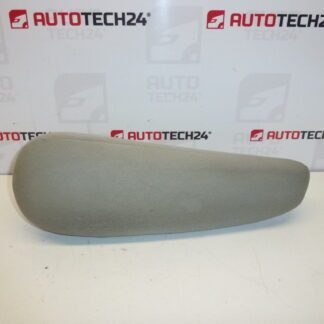
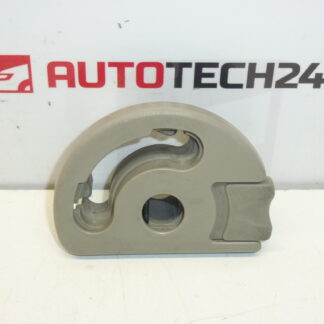
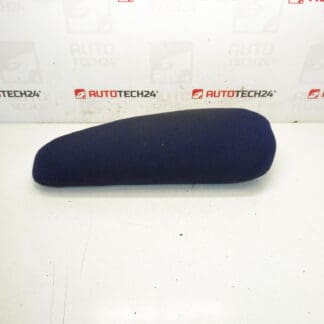
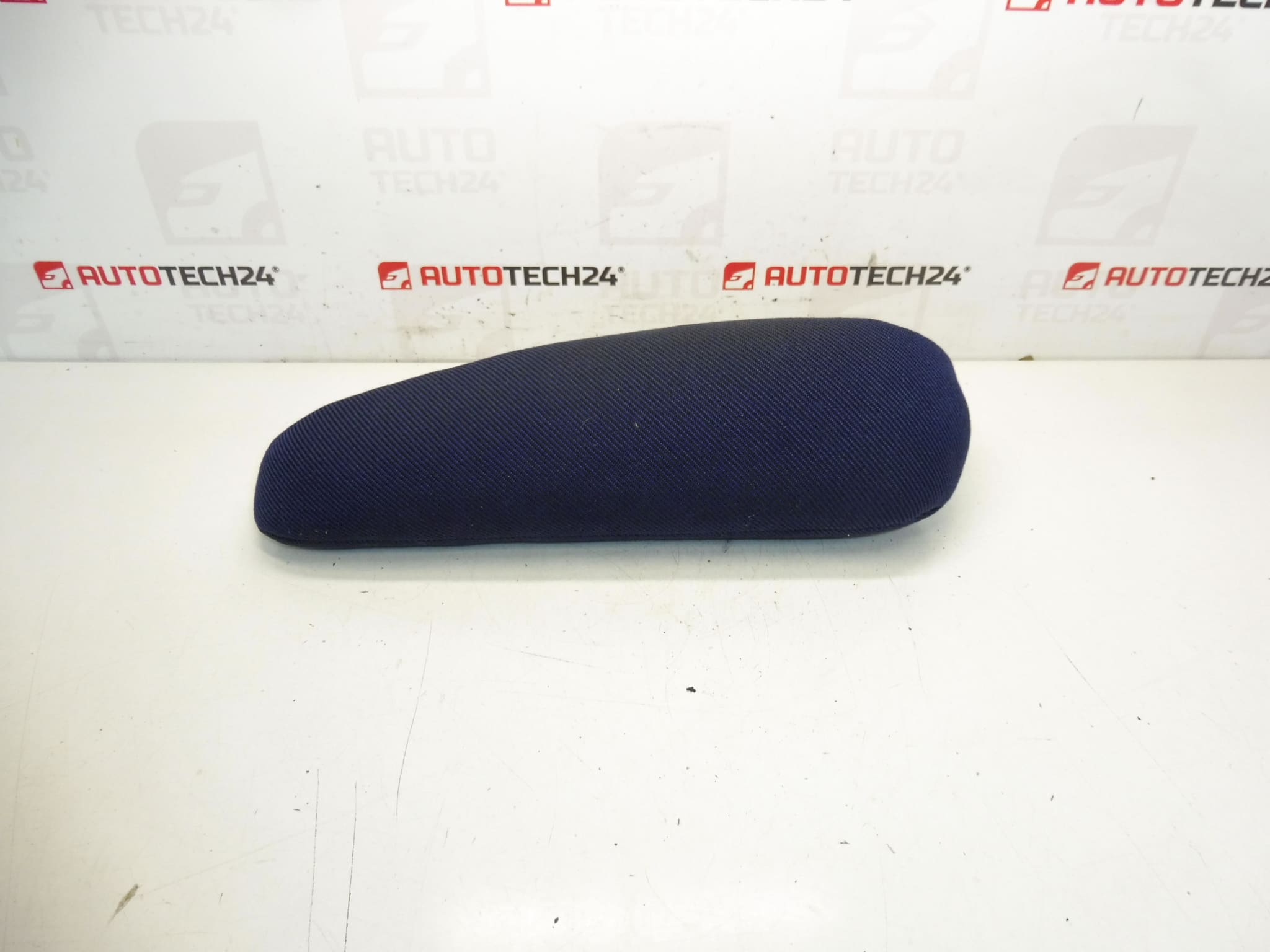
Left driver’s seat armrest for CITROEN and PEUGEOT models
Used part – possibility of contamination – must be cleaned
Part description
This Citroën Peugeot 8830C1 driver’s armrest is designed for Citroën and Peugeot cars listed in the documents. It is a used original part from the interior, which is suitable as a replacement for a damaged, worn or missing driver’s seat backrest.
The armrest increases driving comfort and at the same time completes the original look of the car’s interior. When choosing a used part, it is especially important to compare the shape, fit and product label. The designation 8830C1 is therefore essential for the correct identification of the part you are looking for.
As this is a used car part, it may bear normal signs of use consistent with age and use. The possibility of contamination is explicitly stated in the documents, so we recommend thoroughly cleaning and visually inspecting the backrest before assembly.
Technical information
- Manufacturer: Stellantis Citroën Peugeot
- Model: Citroën Berlingo, Citroën C3, Citroën Xsara Picasso, Peugeot 307, Peugeot Partner
- Other numbers: 8830C1, NFP
Product codes
Product codes: 8830C1
- Citroën Berlingo
- Citroën C3
- Citroën Xsara Picasso
- Peugeot 307
- Peugeot Partner
Installation recommendations
This part is part of the interior of the seat. Generally and typically for this type of part, the exact method of replacement may vary depending on the specific design of the seat and the interior of the car.
1) Before assembly
- Check that the left design for the driver’s seat matches.
- Compare the new and original part by shape, color, mounting type and product number 8830C1.
- Inspect the upholstery, plastic parts and backrest joint for cracks, excessive wear or looseness.
- Since the part is used, it is recommended to clean and dry the backrest before assembly.
2) Necessary tools and materials
- basic set of hand tools
- screwdrivers or bits according to the type of connecting material
- plastic pry bar for removing interior covers
- interior cleaner and clean cloth
- work gloves
3) Step-by-step assembly procedure
- Park the vehicle in a safe place and prepare enough space to work in the driver’s seat.
- Move the seat into such a position that the access to the seat of the backrest is as good as possible.
- If necessary, carefully remove the covering plastic parts around the armrest attachment.
- For the old part, check the fastening method and note the position of the individual parts before disassembly.
- Remove the original backrest including the fasteners if they are part of the assembly.
- Clean the mounting area and check for damage to the bracket or surrounding parts of the seat.
- Attach the used armrest and verify that it fits correctly and fits the original part.
- Mount the backrest in place and fasten it in a manner consistent with the seat structure.
- Before final tightening, check the correct position of the backrest in relation to the seat and the surrounding plastics.
- Finish fixing and put back any covers that were removed during disassembly.
- Test the movement of the backrest, its stability and smoothness of folding or positioning, if it is equipped with this mechanism.
-
4) Post-assembly checks and functional test verification
- Verify that the backrest holds firmly and does not have excessive play.
- Check that it does not rub against the seat or surrounding plastic parts during use.
- Check the comfort of leaning and the correct position when sitting behind the wheel.
- After a short ride, recheck the part for looseness.
5) The most common assembly mistakes + how to avoid them
- Reversing part side – always make sure it is the left driver’s seat back.
- Insufficient fitting comparison – compare the original and new part in detail before assembly.
- Damage to interior plastics during disassembly – use suitable tools and proceed carefully.
- normal wear and tear from everyday use
- excessive loading of the backrest by the weight of the hand or by leaning on it when boarding
- looseness or wear of the joint mechanism
- crack of plastic parts or attachment
- pollution that worsens the appearance and overall condition of the interior part
- careless disassembly or previous unprofessional intervention