Description
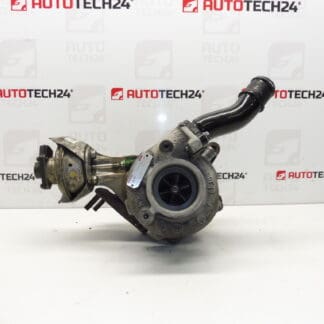
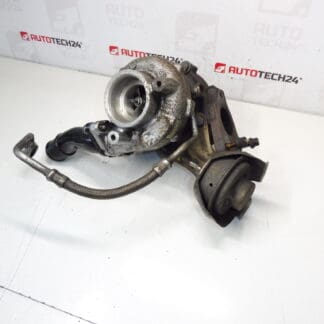
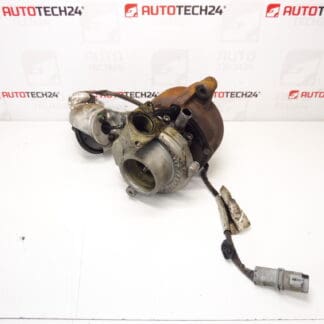
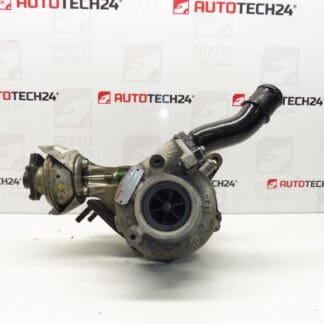
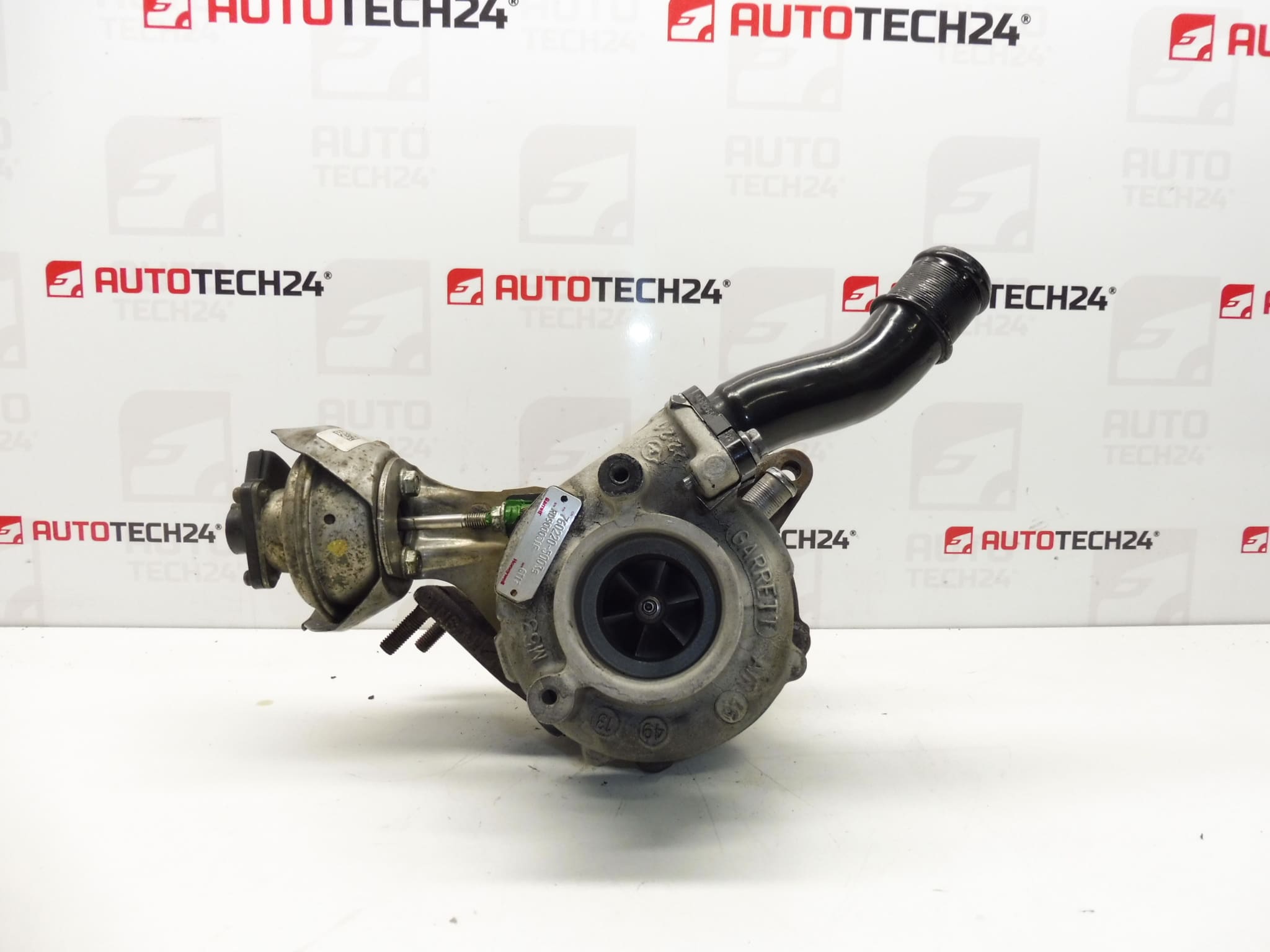
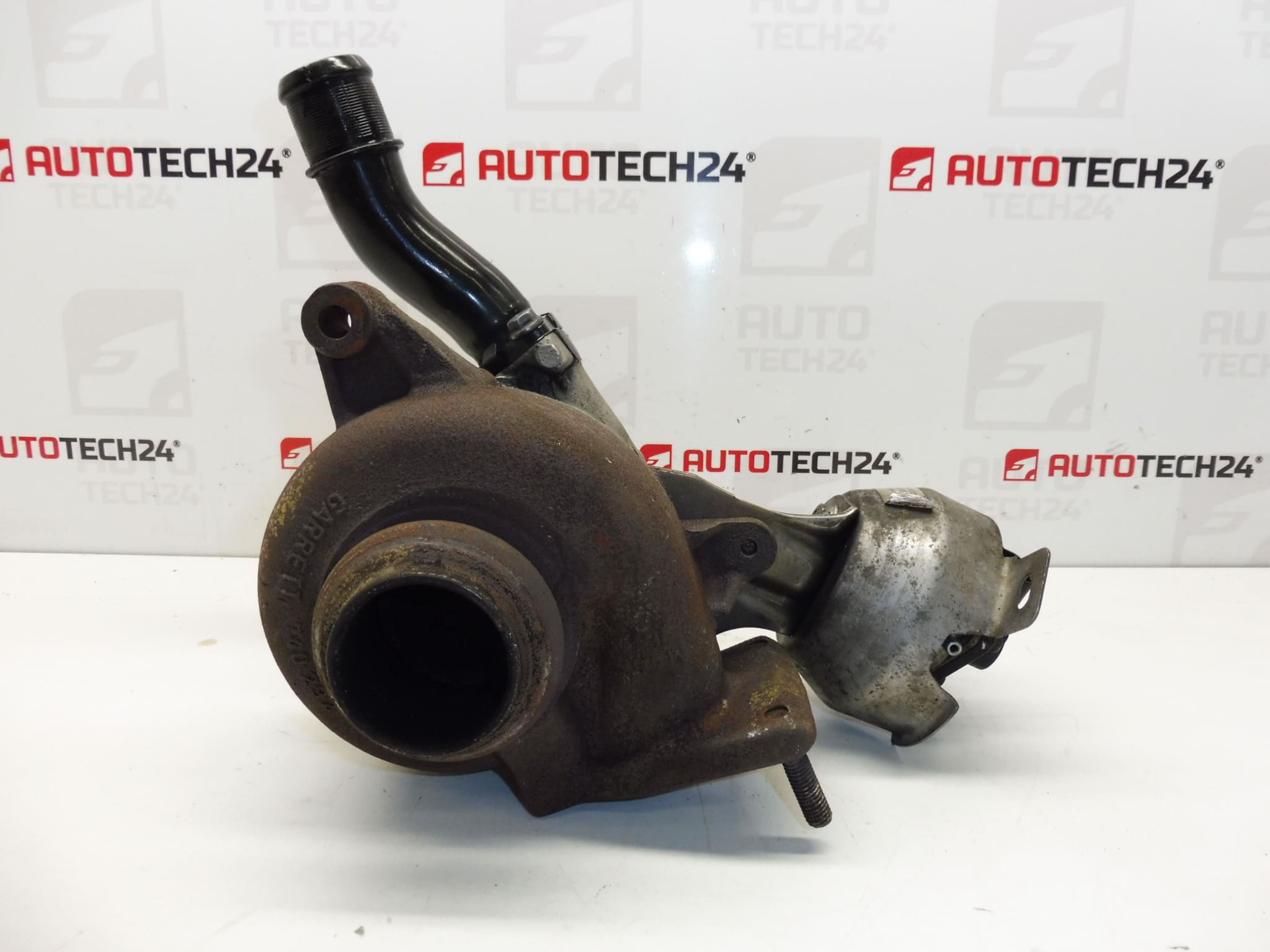
Turbocharger for Citroën and Peugeot vehicles with 2.0 HDI engines RHR, RHE, RHJ
This Garrett turbo (760200-5003s) is a direct-fit performance component designed for 2.0 HDI diesel engines used across multiple Stellantis models. It restores boost pressure, improves low-end torque and drivability, and replaces worn or damaged original turbos on vehicles equipped with engine codes RHR, RHE and RHJ. Ideal for professional workshops and experienced DIY mechanics searching by OE or product number (e.g. 0375K8 / 9645919580).
Key Features
- Direct replacement for OEM turbo units on 2.0 HDI RHR / RHE / RHJ engines.
- Garrett manufactured cartridge and bearing system for reliable boost delivery.
- Fits common Citroën and Peugeot applications – simple swap when using correct gaskets and oil/coolant connections.
- Supplied with the turbo core (turbine/charger assembly); actuator or additional parts may vary by variant—check product codes.
Technical Information
- Manufacturer: Garrett
- Model: Turbocharger for 2.0 HDI (RHR / RHE / RHJ)
- Product Codes: 0375J1, 0375K1, 0375K8, 0375K9, 760200-5003s
- Other Numbers: 9645919580, 9654919580, 9663201280, 9682778680
Fitment (Common Applications)
Typical vehicle models where this turbo is fitted include:
- Citroën C4, Citroën C4 Picasso, Citroën C5, Citroën C8
- Peugeot 307, Peugeot 308, Peugeot 407, Peugeot 807
How The Turbo Works
The turbocharger uses exhaust gas energy to drive a turbine that compresses intake air. Increased intake pressure raises engine torque and power while allowing more efficient combustion. Proper oil supply and clean intake/exhaust paths are essential for long turbo life.
Replacement / Installation Overview
- Prepare the vehicle: let the engine cool and relieve intake/exhaust pressure.
- Remove intake piping, intercooler connections (if applicable) and any heat shields obstructing access.
- Disconnect oil feed and return lines and any coolant lines fitted to the turbo; capture fluid and replace gaskets/seals.
- Unbolt the turbo from the exhaust manifold/downpipe and carefully remove; support the turbo to avoid damage to actuator or compressor wheel.
- Transfer any required sensors or actuators if the replacement unit does not include them, and always use new gasket seals on oil/coolant ports and exhaust flange.
- Install the new turbo, reconnect lines, refill/bleed coolant if applicable, and ensure oil feed is unobstructed. Prime the oil system briefly by cranking the engine before the first start to ensure immediate lubrication.
- After installation, run the engine and check for oil/coolant/exhaust leaks, unusual noises or excessive smoke. Allow the turbo to idle until fully at operating temperature before applying load.
Mounting Recommendations
- Always replace oil feed and return gaskets and any exhaust flange gaskets during installation.
- Check and, if necessary, flush oil feed lines to remove sludge or metal particles that could damage the new turbo.
- Use the manufacturer’s recommended engine oil and maintain correct oil level; contaminated or degraded oil is a common cause of failure.
- Do Not Overlook: pre-lubricate the turbo oil gallery before initial start and avoid heavy throttle for the first few minutes of operation after fitting.
- Follow vehicle manufacturer procedures and torque specifications — if unsure, have the installation completed or checked by a qualified technician.
Why This Part Fails Most Often
- Oil Starvation Or Contamination: Dirty oil, blocked feed lines or infrequent oil changes cause bearing wear and premature failure.
- Foreign Object Damage: Ingested debris in the intake or exhaust damages compressor/turbine wheels.
- Excessive Exhaust Temperatures Or Soot Build-Up: Leads to material stress and sticking wastegates or actuators.
- High Mileage And Wear: Bearings and seals wear over time—symptoms include loss of boost, smoke, and unusual noises.
- Improper Installation: Incorrect gaskets, loose connections or failure to prime oil supply can cause immediate or early failure.
Notes For Professionals And Enthusiasts
Search engine friendly product identifiers included in this listing: Garrett 760200-5003s, 0375K8, 9645919580, and related OE numbers—use these when matching replacement parts. Proper diagnosis of boost, oil pressure and exhaust leaks will save time and prevent unnecessary component replacement.