Description
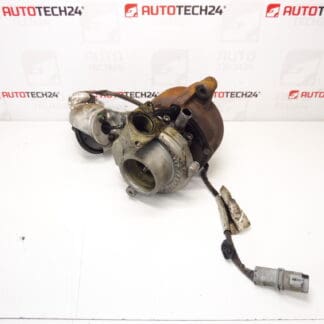
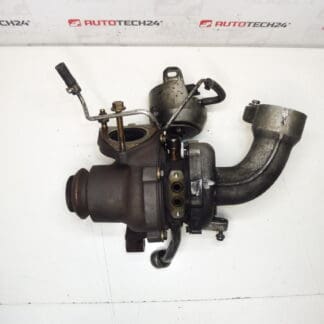
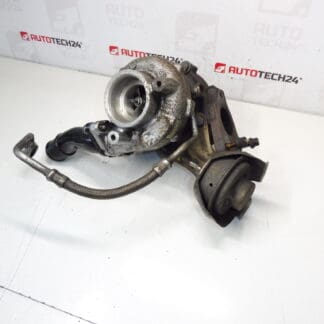
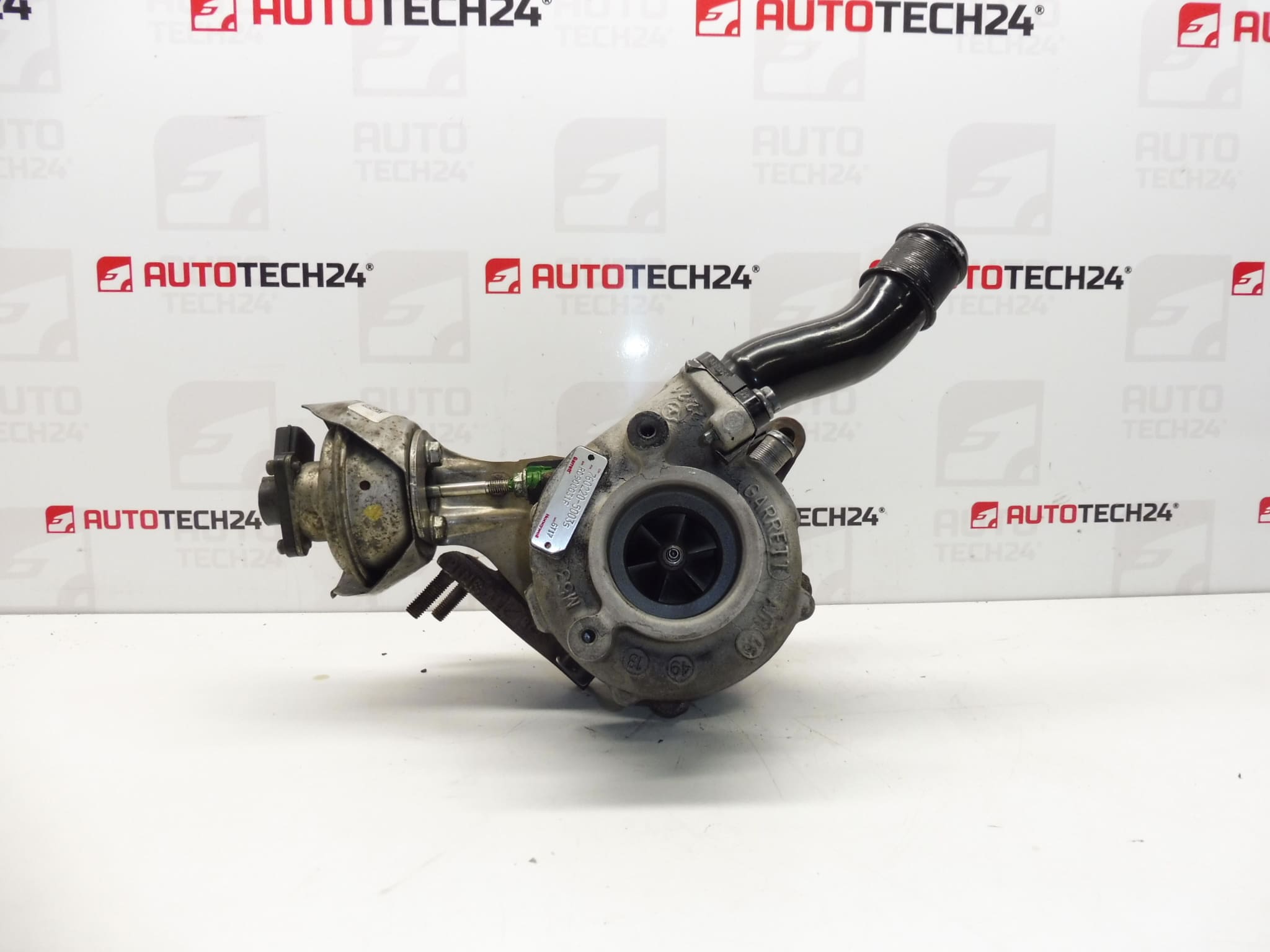
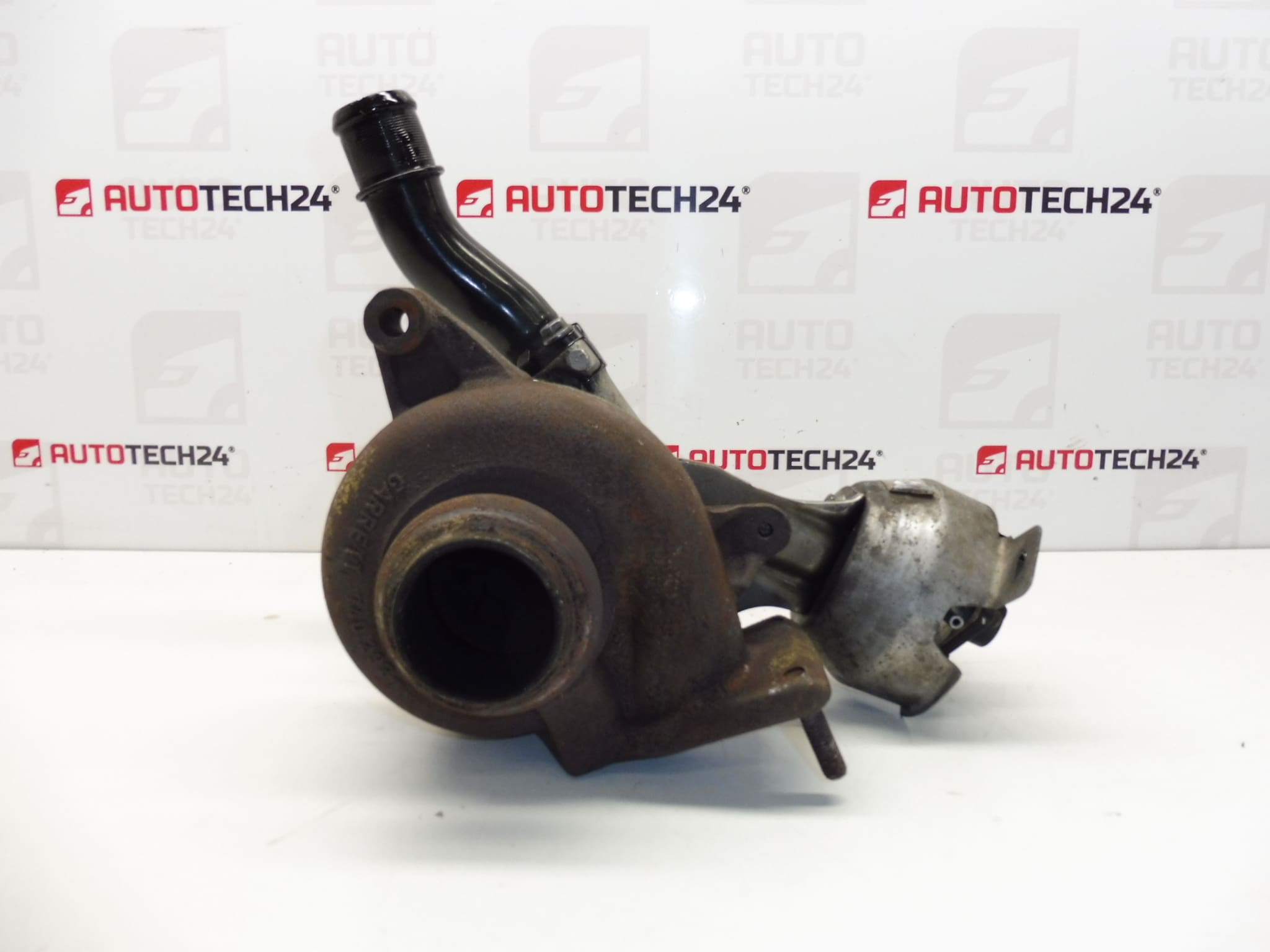
Turbo for Citroën and Peugeot vehicles with 2.0 HDI engines RHR RHE RHJ
This Garrett turbocharger is a direct-fit performance replacement for many 2.0 HDi applications. Designed for workshop professionals and experienced DIY mechanics, the unit restores boost response, improves driveability and helps recover lost power caused by a worn or damaged turbo. Commonly searched by OE and aftermarket codes, this turbo suits a range of Citroën and Peugeot models and is compatible with engines bearing RHR, RHE and RHJ codes.
Technical Information
- Manufacturer: Garrett
- Model: 2.0 HDI (Engine Codes: RHR, RHE, RHJ)
- Product Codes: 0375J1, 0375K1, 0375K8, 0375K9
- Other Numbers: 9645919580, 9654919580, 9663201280, 9682778680
Compatibility
Typical vehicle fitment includes, but is not limited to:
- Citroën C4
- Citroën C4 Picasso
- Citroën C5
- Citroën C8
- Peugeot 307
- Peugeot 308
- Peugeot 407
- Peugeot 807
How To Replace
Replacement of a turbocharger on the 2.0 HDi normally follows these general steps. These are guidance points for qualified mechanics and experienced DIYers; always consult the vehicle’s service manual for model-specific procedures and torque values.
- Allow Engine To Cool And Disconnect Battery Before Starting Work.
- Remove Intake Piping, Intercooler Connections And Any Airflow Sensors To Gain Access.
- Disconnect Oil Feed And Return Lines (Prepare To Capture Oil) And Any Coolant Lines If Present.
- Unfasten Actuator, Vacuum Or Electronic Connections And Remove Exhaust Downpipe/Manifold To Free The Turbo.
- Fit New Gaskets And Replace All Seals. Ensure Oil Return Passage Is Clean And Free Of Blockages.
- Refit Components In Reverse Order. Replace Engine Oil And Oil Filter As Part Of The Job.
- Prime Turbo Oil Supply Before First Start (ensure oil feed supplies oil to the turbo and build oil pressure before extended idling or load).
- After Installation, Check For Oil Leaks, Boost Pressure And Normal Operation Under Load.
Installation Recommendations
- Always Use New Gaskets, Clamps And Fasteners Where Required.
- Clean The Oil Return Pipe And Inspect Oil Feed For Any Restriction Or Contamination.
- Replace Engine Oil And Filter During Turbo Replacement To Avoid Early Re-Contamination.
- Check Intercooler And Intake Tract For Oil Residue Or Debris; Clean If Necessary.
- Observe Manufacturer Torque Specifications And Tightening Sequence.
- Run The Engine Up To Operating Temperature And Verify Oil Pressure And Boost Levels; Avoid Heavy Loads For The First Few Miles.
Why This Part Most Commonly Fails
Understanding common failure modes helps prevent repeat damage:
- Oil Starvation Or Contamination: Blocked oil return lines, dirty oil or missed oil changes cause bearing wear and eventual turbo failure.
- Foreign Object Damage: Ingested debris from a damaged air filter or intake damage to compressor/turbine blades.
- Wastegate/Actuator Issues: Faulty actuator or stuck wastegate can cause overboost, reduced performance or mechanical stress.
- Excessive Exhaust Temperatures: EGR or DPF-related issues and prolonged soot build-up increase thermal stress on the turbocharger.
- Oil Leaks: Leaking seals or connections cause loss of lubrication and smoke from the exhaust.
With correct installation, clean oil supply and attention to the intake and exhaust systems, this Garrett turbo can reliably restore engine performance in affected 2.0 HDi RHR/RHE/RHJ applications.