Description
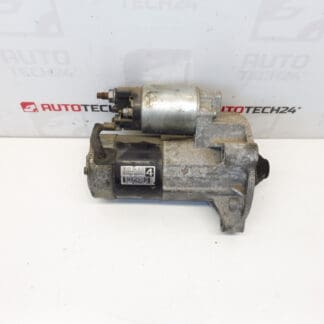
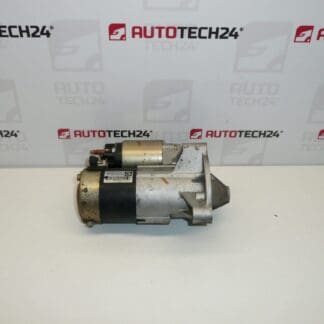
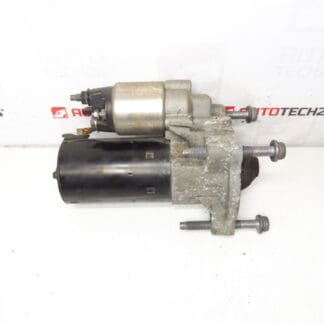
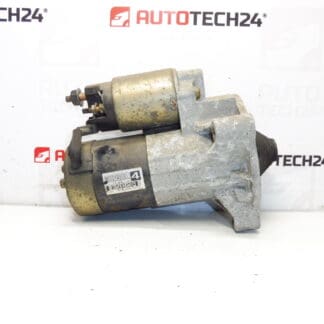
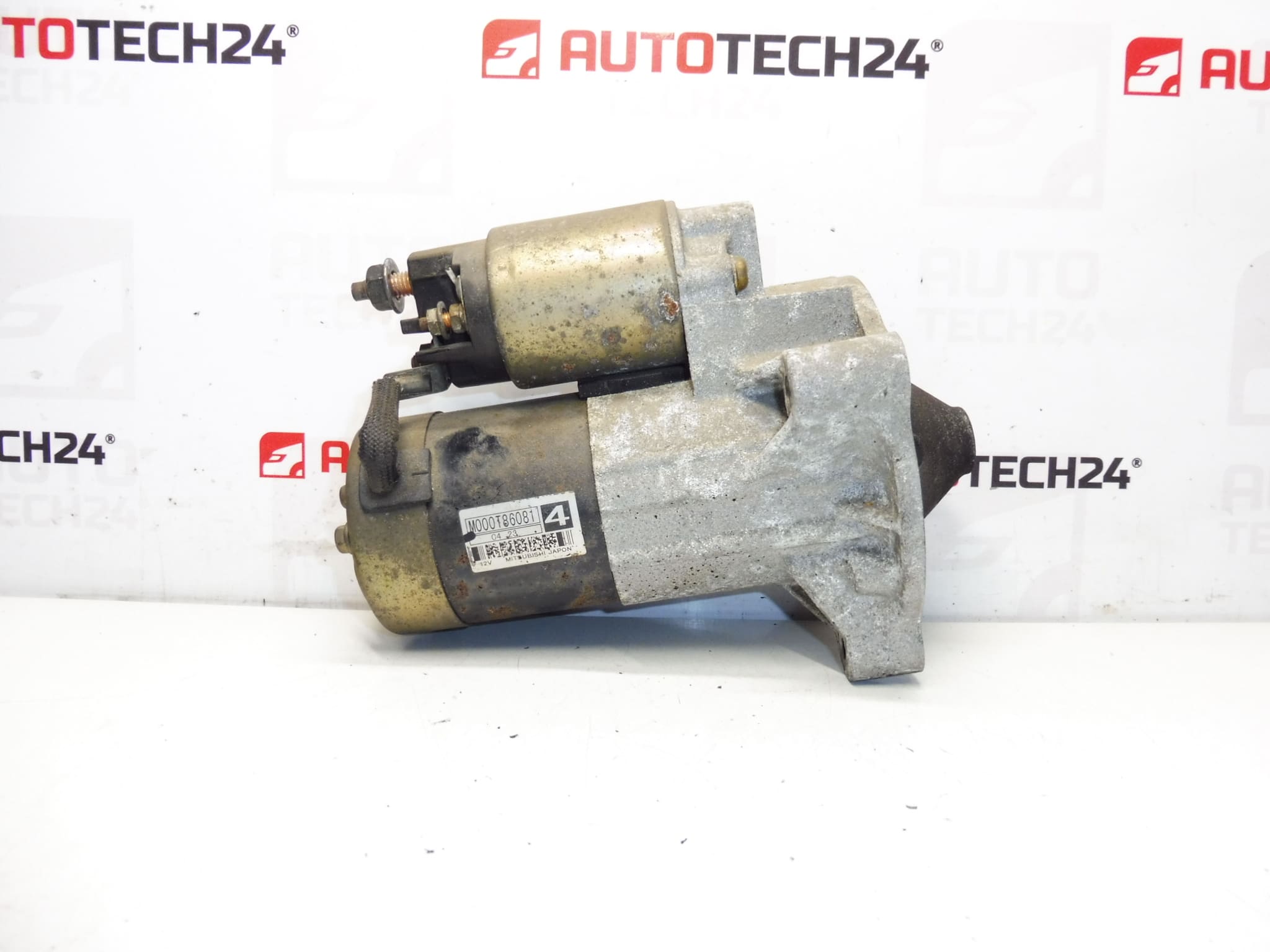
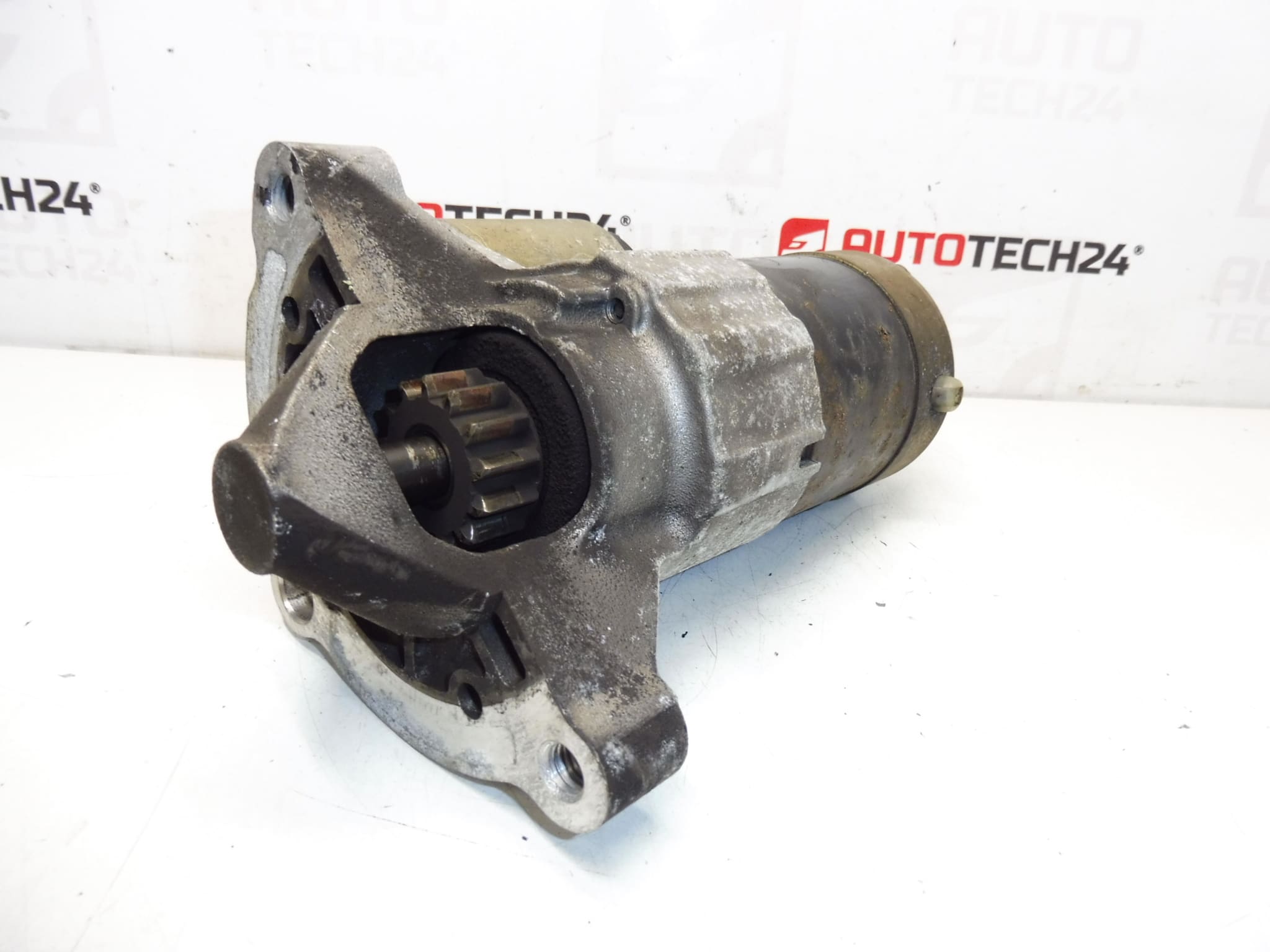
Starter MITSUBISHI M000T86081 for 1.8 16V, 2.0 16V and 2.2 16V engines for CITROËN and PEUGEOT vehicles
This Mitsubishi starter motor (M000T86081) is a direct-fit unit used on a range of PSA petrol engines with 16‑valve cylinder heads. It is commonly referenced under manufacturer codes 5802V7, 5802W1 and 5802CW and is intended for technicians and experienced DIY enthusiasts who need a reliable replacement starter for Citroën and Peugeot models fitted with 1.8, 2.0 or 2.2 16V petrol engines.
The starter delivers the necessary torque to crank the engine reliably and integrates the pinion, drive assembly and starter solenoid in a compact housing. Proper selection by part number (M000T86081 / 5802V7 / 5802W1 / 5802CW) ensures correct fitment and electrical connections. Ideal for workshops and home mechanics who search by OE references when sourcing parts.
Technical Information
- Manufacturer: Mitsubishi
- Model / Application: 1.8 16V, 2.0 16V, 2.2 16V petrol engines (Citroën / Peugeot)
- Product Codes: M000T86081
- Other Numbers: 5802V7, 5802W1, 5802CW
Fitment Notes
Fits a range of Citroën and Peugeot vehicles equipped with the listed 16V petrol engines. Always confirm the required starter by matching the part number on the original unit with M000T86081 or the PSA references 5802V7 / 5802W1 / 5802CW. Connector type and mounting flange must match the vehicle’s original starter to ensure correct installation.
Installation Recommendations
Before starting, disconnect the negative terminal of the battery. Support the vehicle safely and access the starter from below or through the engine bay depending on the model. Note the orientation and wiring of the starter: mark and disconnect all electrical connections (battery cable and solenoid control). Remove mounting bolts, withdraw the starter and compare the replacement unit to the old one for identical mounting points and connector types. Clean mating surfaces and inspect the flywheel/flexplate teeth for damage before installation. Refit the starter, secure mounting bolts to the manufacturer’s torque specification, reconnect electrical leads ensuring good, clean contacts and finally reconnect the battery. Perform a functional check: fast cranking without grinding indicates correct engagement.
Most Common Failure Reasons
Starters typically fail due to normal wear of internal components (brushes, commutator, pinion and solenoid), contamination from engine oil or coolant leaks, corrosion or poor electrical connections, and excessive cranking under weak battery conditions. Intermittent operation is often electrical—check battery condition, ground straps and wiring before replacing the starter.
Practical Tips
- Always check the battery voltage and starter current draw when diagnosing a no-crank or slow-crank condition.
- Inspect associated parts (flywheel teeth, starter mounting flange, wiring harness) to avoid repeat failures after replacement.
- When replacing the starter, ensure the replacement shares the same pinion tooth count and mounting pattern as the original.
Part numbers included in this listing (M000T86081, 5802V7, 5802W1, 5802CW) are commonly used by mechanics and DIY customers to locate the correct starter for Citroën and Peugeot vehicles with 1.8, 2.0 and 2.2 16V engines.