Description
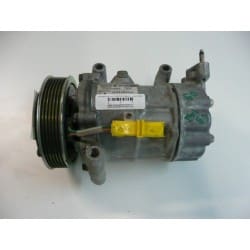
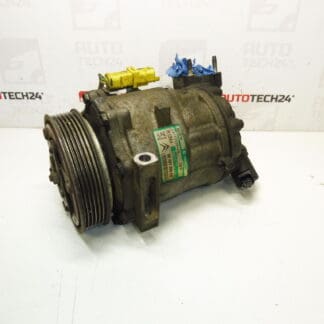
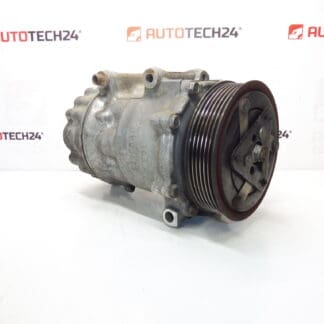
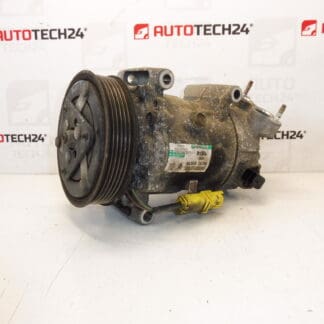
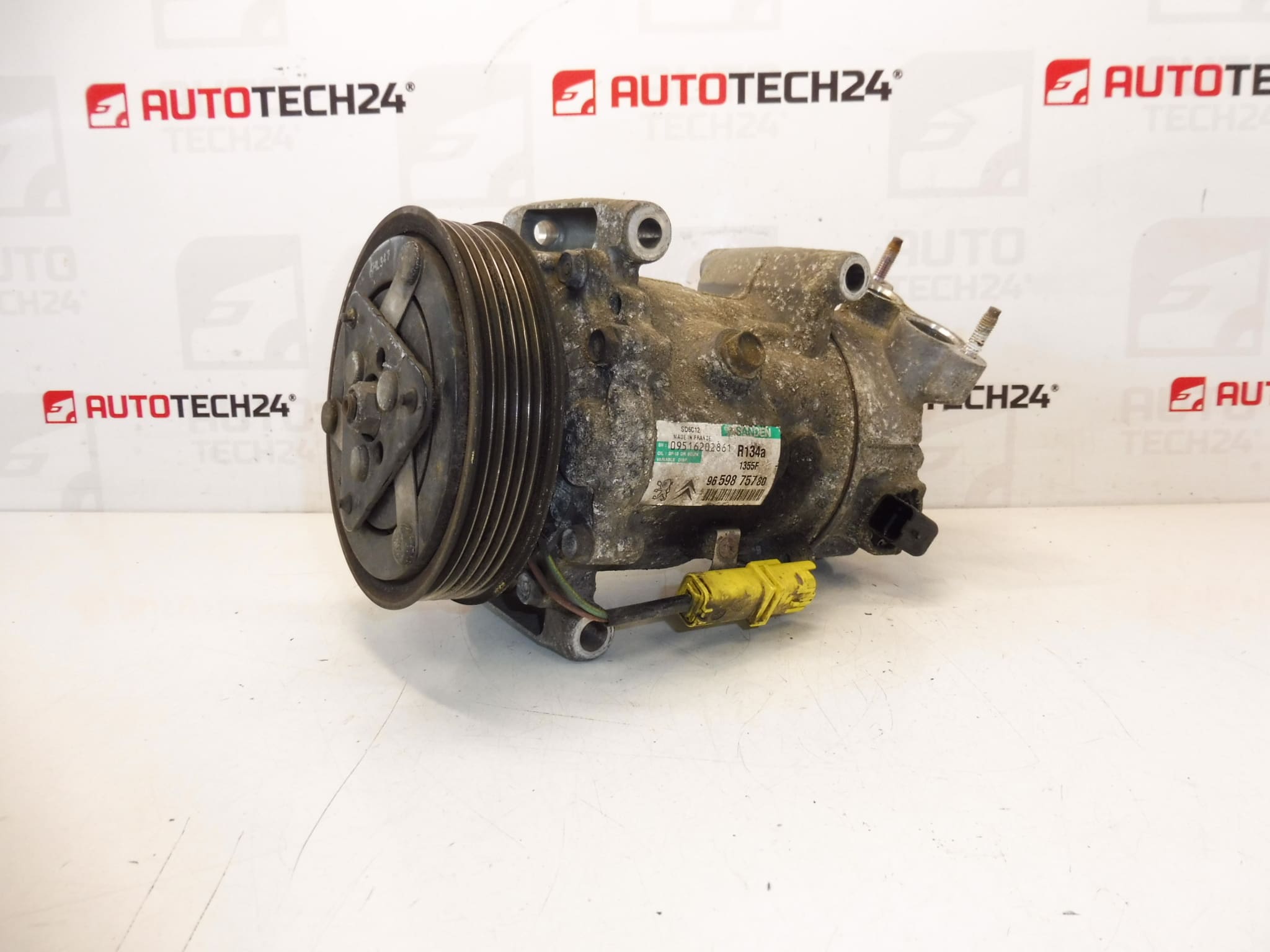
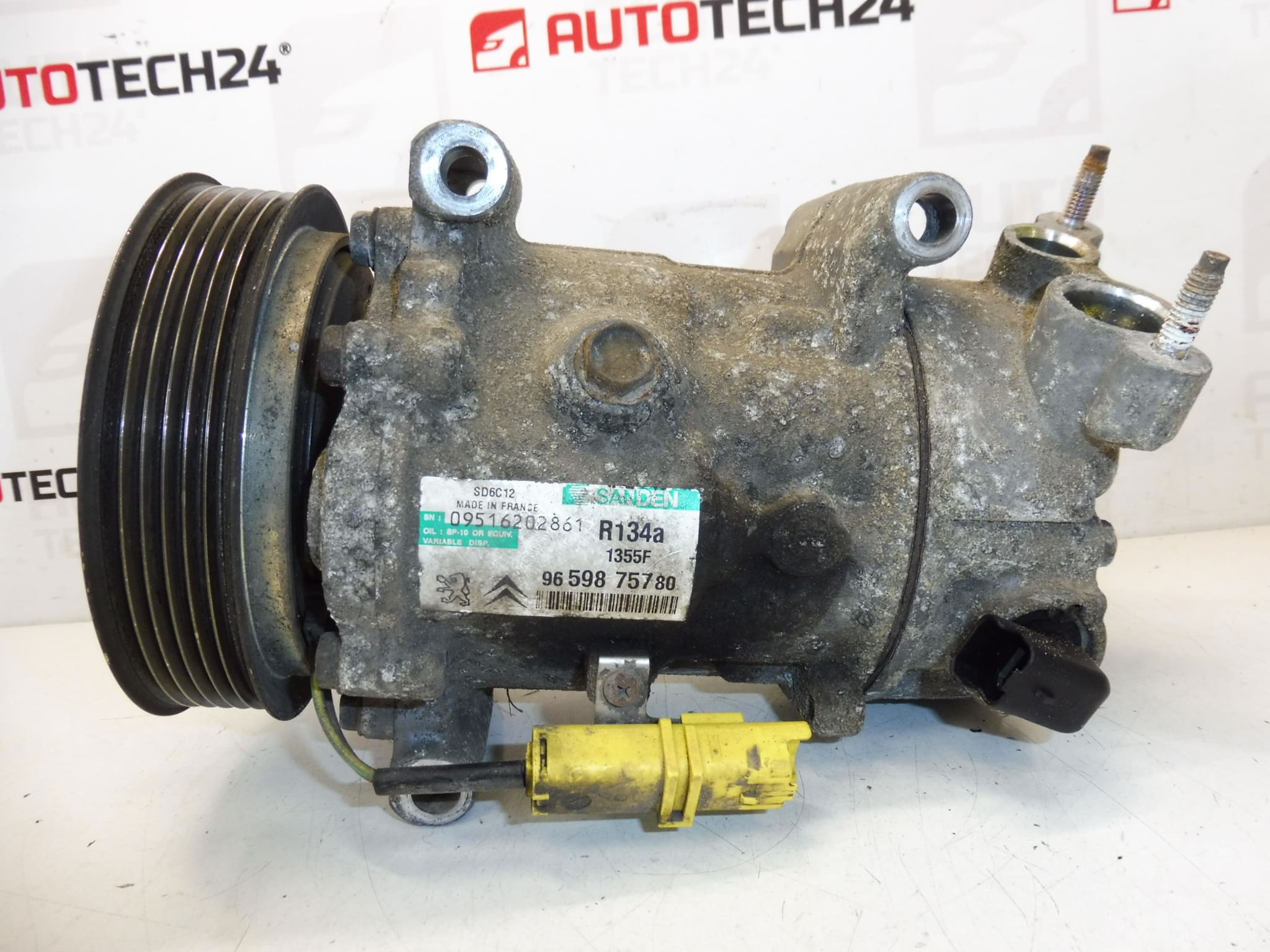
Air Conditioning Compressor For Citroën And Peugeot Sanden 1355F SD6V12
Reliable Sanden Air Conditioning Compressor designed for Citroën and Peugeot vehicles. This unit (Sanden 1355F SD6V12) offers robust cooling performance and is commonly used in a range of Stellantis models. It Is Supplied With Standard Mounting Points And Electrical Connector Arrangement Compatible With Many OEM Installations, Making It A Practical Choice For Professional Workshops And Competent DIYers Looking To Restore Full A/C Functionality.
Key Features And Benefits
Efficient Cooling Performance: Engineered To Deliver Stable Refrigeration Capacity Under Typical Driving Loads, Improving Cabin Comfort And Defogging Capability. Durable Construction: Internal Components And Clutch Designed For Long Service Life Under Normal Operating Conditions.Direct Replacement: Matches Common OEM Mounting Interfaces And Electrical Connections For Easier Fitment.Supports Routine Service: Works With Standard A/C Service Procedures (Recovery, Evacuation, And Recharge), Allowing Fast Turnaround In A Workshop Environment.
Compatibility And Application
Common Fitment Includes Citroën C4 And Select Peugeot Models Such As Peugeot 207, 307 And 308. Compatibility Is Often Referenced By Product Codes And OEM Numbers Listed Below; Always Verify The Part Number On The Vehicle Before Installation To Ensure Proper Match.
Technical Information
- Manufacturer: Sanden
- Model: Citroën C4; Peugeot 207, Peugeot 307; Peugeot 308
- Product Codes: SD6V12, 1355F
- Additional Numbers: 9659875780, 6453WK, 6453WL, 648708, 9822826880, 1671553680, 6453QK
How The Part Functions
The Compressor Is The Heart Of The Vehicle’s Air Conditioning System. It Compresses Refrigerant Vapor And Pumps It Through The Condenser, Receiver/Drier And Evaporator To Remove Heat From The Cabin. The Electromagnetic Clutch Engages And Disengages The Compressor According To System Demand, Controlled By The Vehicle’s Climate Control Electronics.
How To Replace (Overview)
1) Recover Refrigerant With Appropriate Certified Equipment. 2) Remove Drive Belt And Disconnect Electrical Connector(s) To The Clutch. 3) Detach Suction And Discharge Lines (Cap And Replace O-Rings). 4) Unbolt Compressor From Bracket And Remove Unit. 5) Fit Replacement Compressor, Replace O-Rings And Seals, Reinstall Lines And Torque Fasteners To OEM Values. 6) Evacuate System To Recommended Vacuum, Refill With The Correct Refrigerant And Specified Lubricant Volume, Then Test For Leaks And Proper Operation.
Installation Recommendations
Recover Refrigerant Using A Certified Recovery Station Before Any Work. Replace Receiver/Drier Or Accumulator Whenever The Compressor Is Replaced To Prevent Contamination. Replace O-Rings And Use The Correct Type And Amount Of PAG Oil Specified For The Vehicle. Evacuate The System Thoroughly After Assembly To Remove Moisture And Air. Verify Belt Tension And Electrical Connections. Perform A Leak Test And Functional Test At Operating Temperature.
Reason Why The Part Most Often Fails
Compressor Failure Is Most Commonly Caused By Lack Of Lubrication (Oil Loss Or Incorrect Oil), Contamination In The A/C Circuit (Debris From A Failed Component), Excessive Wear Of Bearings Or Clutch, And System Leaks Leading To Moisture Ingress. Overheating From Restricted Condenser Or Poor Cooling Airflow Can Also Accelerate Wear. Regular Maintenance Of The Entire A/C System Helps To Minimize These Risks.
Practical Tips For Workshops And DIY Mechanics
Keep A Clean Working Environment To Prevent Foreign Material Entering The System During Replacement. Label And Inspect Lines And Electrical Connectors Before Disassembly. Use Only Approved Seals And Lubricants. After Installation, Run The System Through Several Operating Cycles And Check For Unusual Noises Which May Indicate Misalignment, Incorrect Oil Charge, Or Internal Damage.