Description
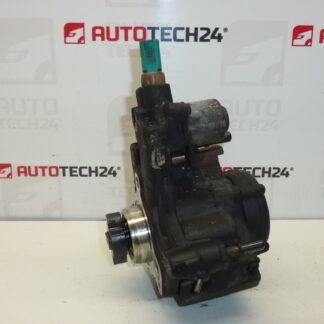
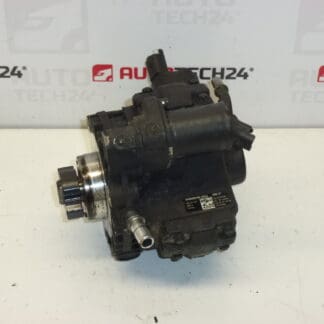
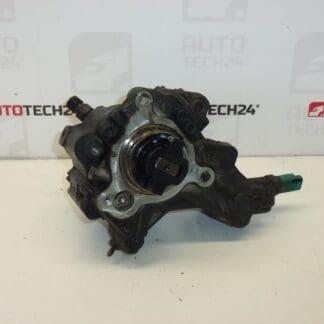
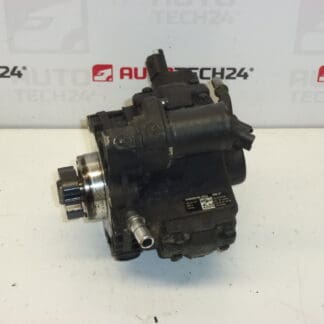
Injection pump 2.0 HDi 100kW RHR RHK with SIEMENS VDO 5ws40019 for CITROËN, PEUGEOT, FORD, VOLVO, MAZDA vehicles. Without fuel pressure regulator. Checked, with functional warranty.
This high-pressure injection pump is designed for 2.0 HDi 100 kW engines (engine codes RHR, RHK) and is a direct replacement unit for workshops and DIY mechanics working on Stellantis diesel models. It is compatible with a range of Citroën and Peugeot applications and is often searched by part numbers such as 5ws40019, 5ws40809, 1920QH and 1920N8. The pump delivers precise high-pressure fuel to the injectors for reliable combustion, smoother idle and better drivability compared with worn or leaking units.
Typical fitment includes Citroën C4, Citroën C4 Picasso, Citroën C5 (including X7), Citroën C8 and Peugeot 307, Peugeot 407 and Peugeot 807, and it is also used in certain Ford, Volvo and Mazda models that share the 2.0 HDi RHR/RHK diesel platform. Ideal for professional mechanics and competent DIYers who service diesel injection systems and want a ready-to-fit replacement that restores engine performance.
Technical Information
- Manufacturer: Siemens VDO
- Model: 2.0 HDi 100 kW (Engine Codes RHR, RHK)
- Product Codes: 5ws40019, 5ws40809
- Other Numbers: 1920QH, 1920N8
Installation Recommendations
Install the pump in a clean, well-lit workshop. Before removal, relieve fuel system pressure and disconnect the battery. Mark the pump and timing reference points if present to preserve injector pump timing. Replace all sealing gaskets and high-pressure lines with new parts to avoid leaks. After fitting, bleed the fuel system thoroughly to remove air and prime the lift pump if required. On vehicles with electronic injection control, the pump may require adaptation/coding or calibration with the proper diagnostic tools; perform a final road test to confirm correct fuel delivery and absence of leaks. Follow torque settings from the vehicle manufacturer when tightening flanges and fittings.
Why This Part Fails Most Often
High-pressure injection pumps typically fail due to fuel contamination (dirt, water, or poor-quality diesel) that accelerates wear of plungers and delivery valves. Other common causes include prolonged low-fuel operation (leading to inadequate lubrication), clogged fuel filters, internal electronic control faults or deterioration from high mileage. Symptoms of a failing pump are rough idle, loss of power under load, hard starting, black smoke under acceleration, unusual fuel smells or visible fuel leaks. Regular maintenance of the fuel filter and using clean fuel significantly extends pump life.
Service life varies with usage and maintenance; many pumps remain reliable past 150,000 km when fuel system care is observed, but failures are more frequent on vehicles with neglected filters or contaminated fuel.