Description
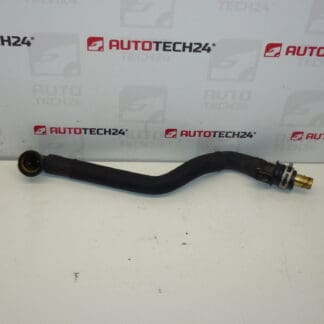
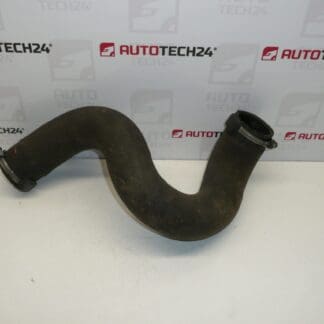
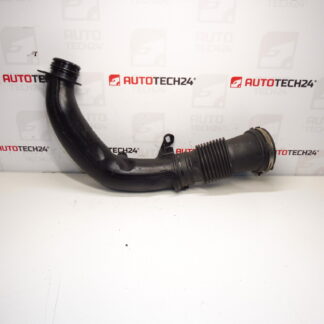
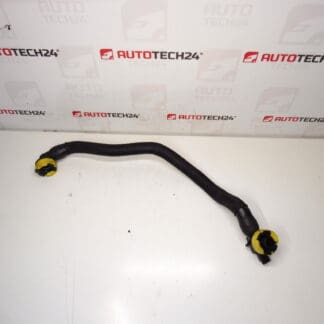
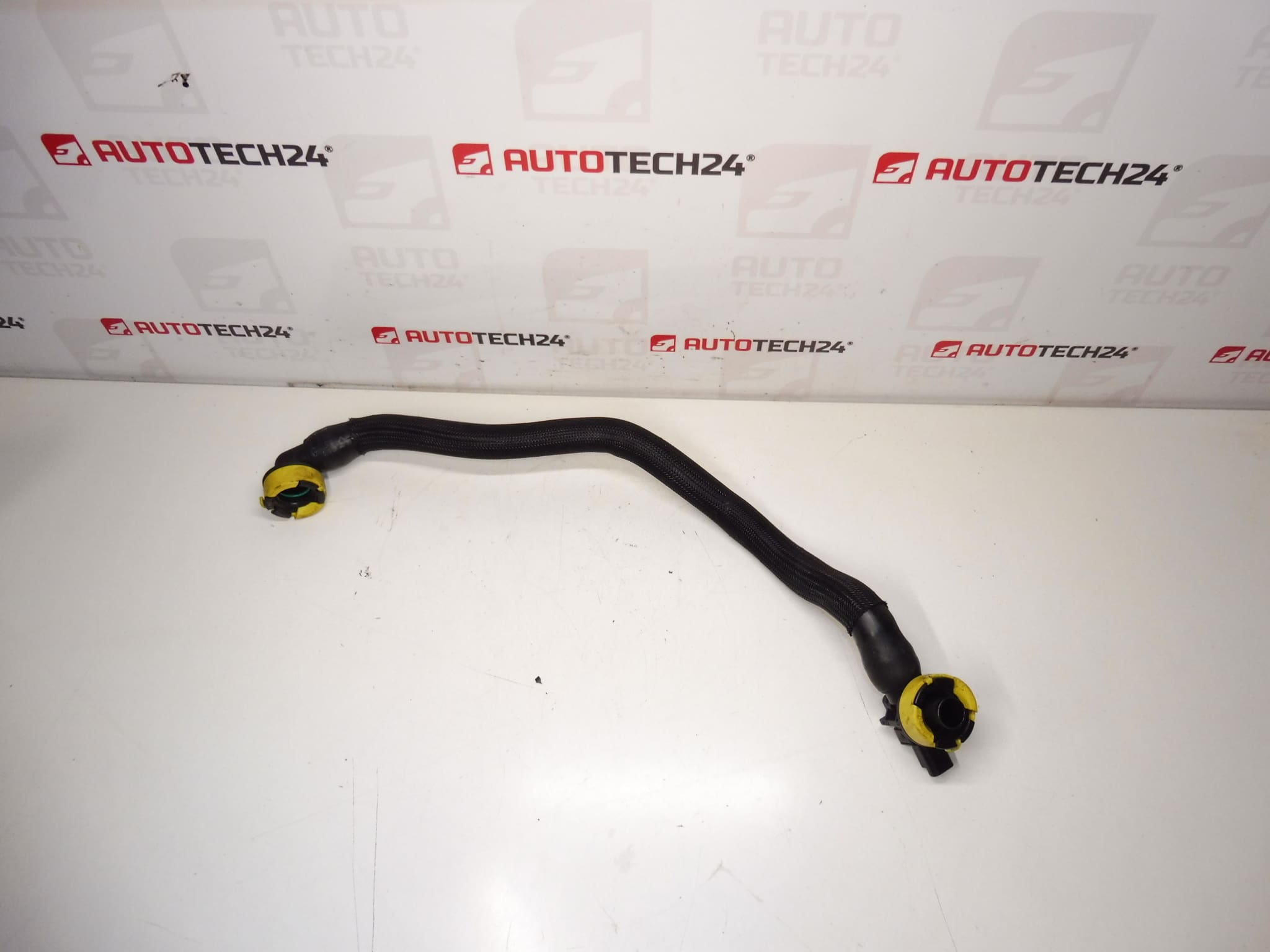
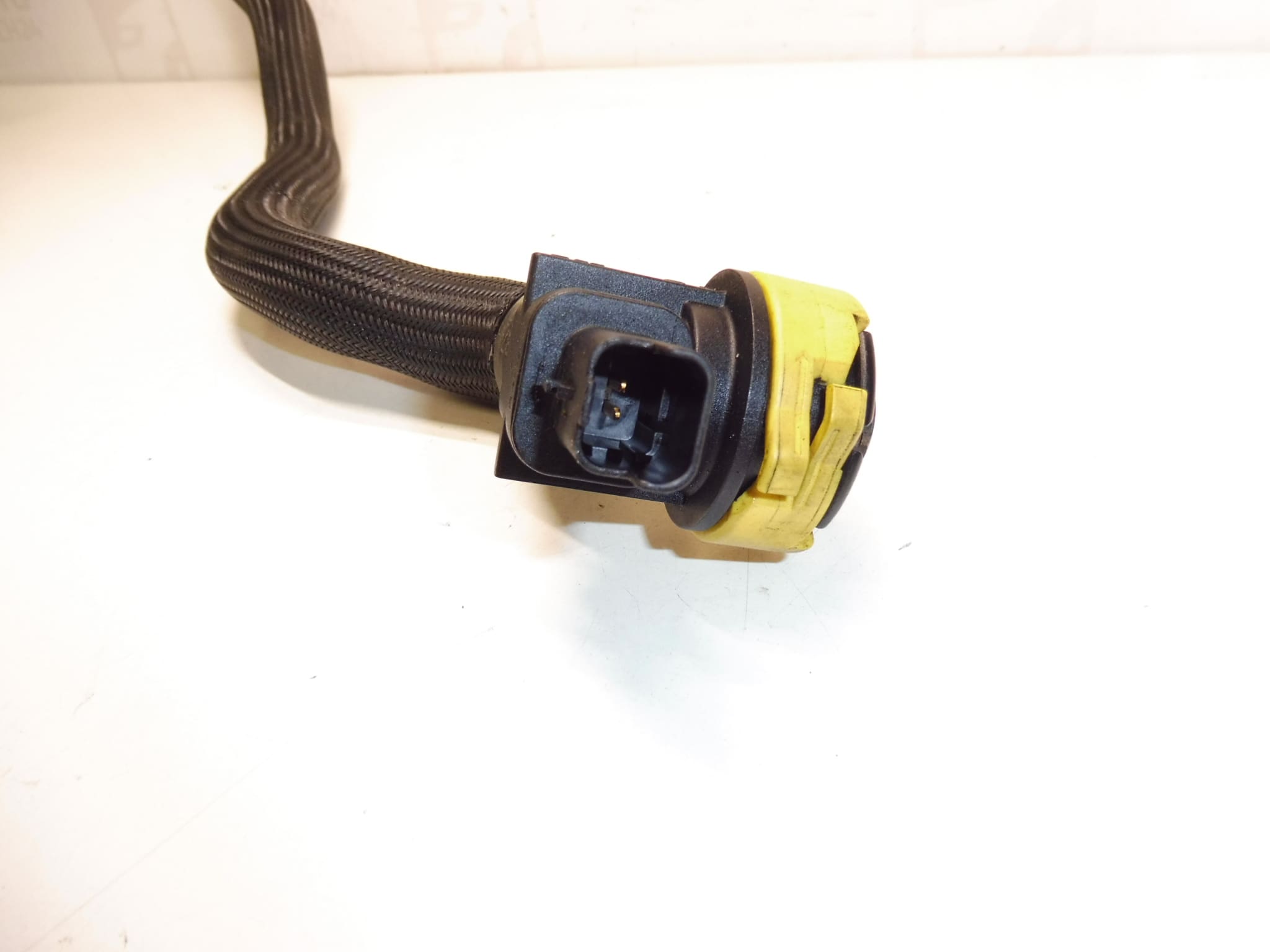
Breather tube for oil vapors for Citroën and Peugeot 2.0 HDi RH02 engines. Yellow cotter pin may be missing.
Product Description
This breather tube channels oil vapors from the engine crankcase to the intake system as part of the positive crankcase ventilation (PCV) path. Designed for many 2.0 HDi applications, the tube helps maintain correct crankcase pressure, reduce oil leaks and prevent excessive oil consumption and intake contamination. Built to fit factory routing, it connects between the valve cover/PCV valve area and the intake manifold or turbo intake depending on the vehicle variant.
Compatibility
- Citroën C4 Picasso
- Citroën C8
- Peugeot 3008 I
- Peugeot 5008 I
- Peugeot 807
- Engine Family: 2.0 HDi RH02
Technical Information
- Manufacturer: Stellantis (Citroën / Peugeot)
- Model: 2.0 HDi RH02
- Product Codes: 1192.CC, 1192CC, 1192cc
- Other Numbers: (T84), (T87)
Installation Recommendations
- Work On A Cold Engine: Perform replacement on a cool engine to avoid burns from hot components and pressurised oil vapor lines.
- Inspect Clamps And Seals: Replace any brittle clamps or O-rings and ensure both ends seat correctly to avoid vacuum leaks or oil seepage.
- Routing And Orientation: Fit the tube in the original routing to preserve proper drainage and avoid kinks that trap oil.
- Check Associated Components: Inspect PCV valve, valve cover gaskets and intake boot for damage while the line is disconnected.
- Secure Fasteners: If the yellow cotter pin is used in your variant, note it may be missing and replace with the correct retaining clip if required.
Why This Part Fails Most Often
Breather tubes are exposed to heat, oil vapors and engine bay contaminants. Over time the rubber or plastic can harden, crack or collapse, causing vacuum leaks, oil seepage into the intake or reduced crankcase ventilation. Blockages from sludge or carbon deposits can also cause increased crankcase pressure and oil consumption. Mechanical damage or improper routing during previous repairs is another common cause of failure.
How To Replace
- Park On Level Ground And Allow Engine To Cool.
- Locate The Old Tube: Trace from the valve cover/PCV area to the intake manifold or turbo inlet.
- Remove Fasteners: Loosen clamps and remove any retaining clips. Note the position and orientation for correct refit.
- Clean Mating Surfaces: Wipe oil residue from connectors and check for damage to the PCV valve or valve cover fitting.
- Fit New Tube: Install the replacement tube without twisting or kinking. Refit clamps and any retaining pins or clips securely.
- Start Engine And Check: Run the engine and visually inspect for leaks and listen for hissing indicating vacuum leaks. Verify idle quality.
Practical Tips For Mechanics And DIY
- Always replace perishable clamps and seals when the tube is replaced to ensure a long-lasting repair.
- If the intake shows heavy oil deposits, inspect the PCV valve and consider a more thorough intake cleaning.
- When replacing, follow manufacturer torque and assembly recommendations for adjacent components to avoid new leaks.