Description
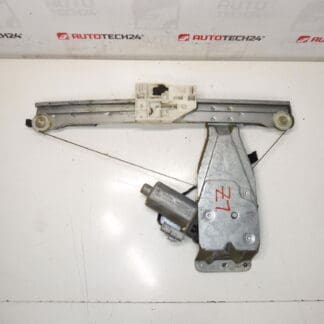
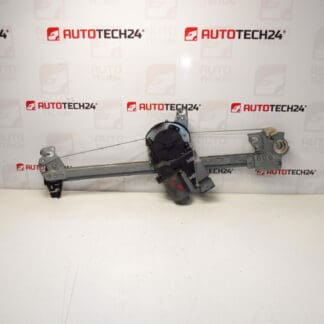
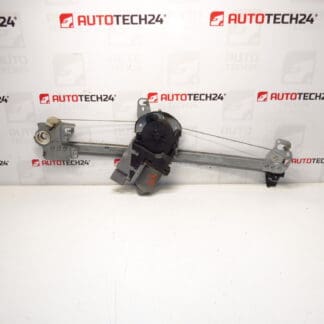
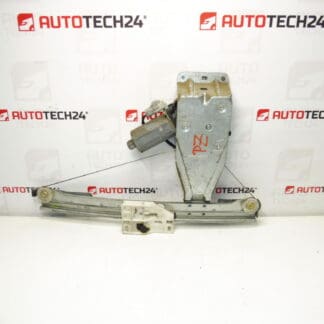
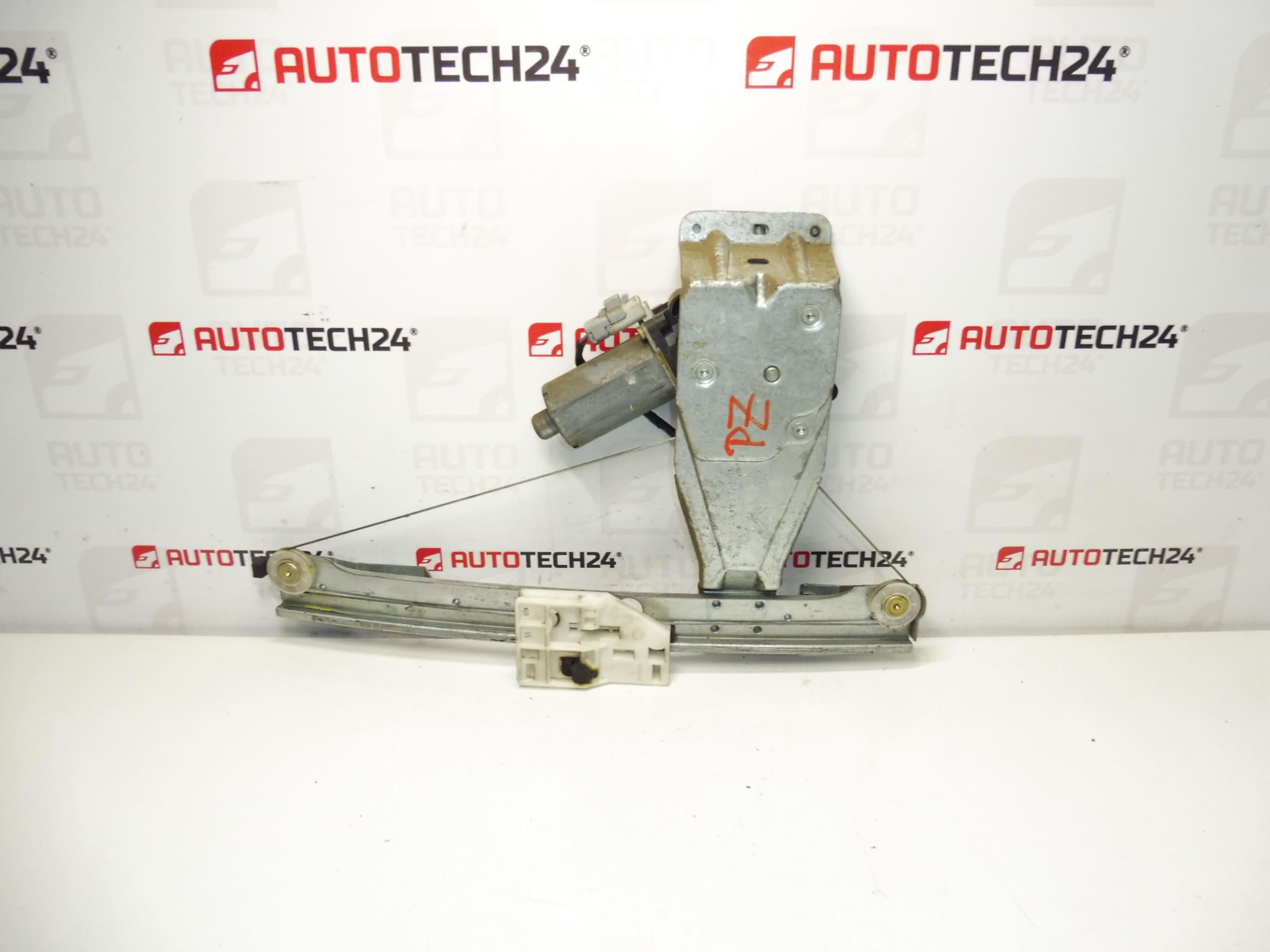
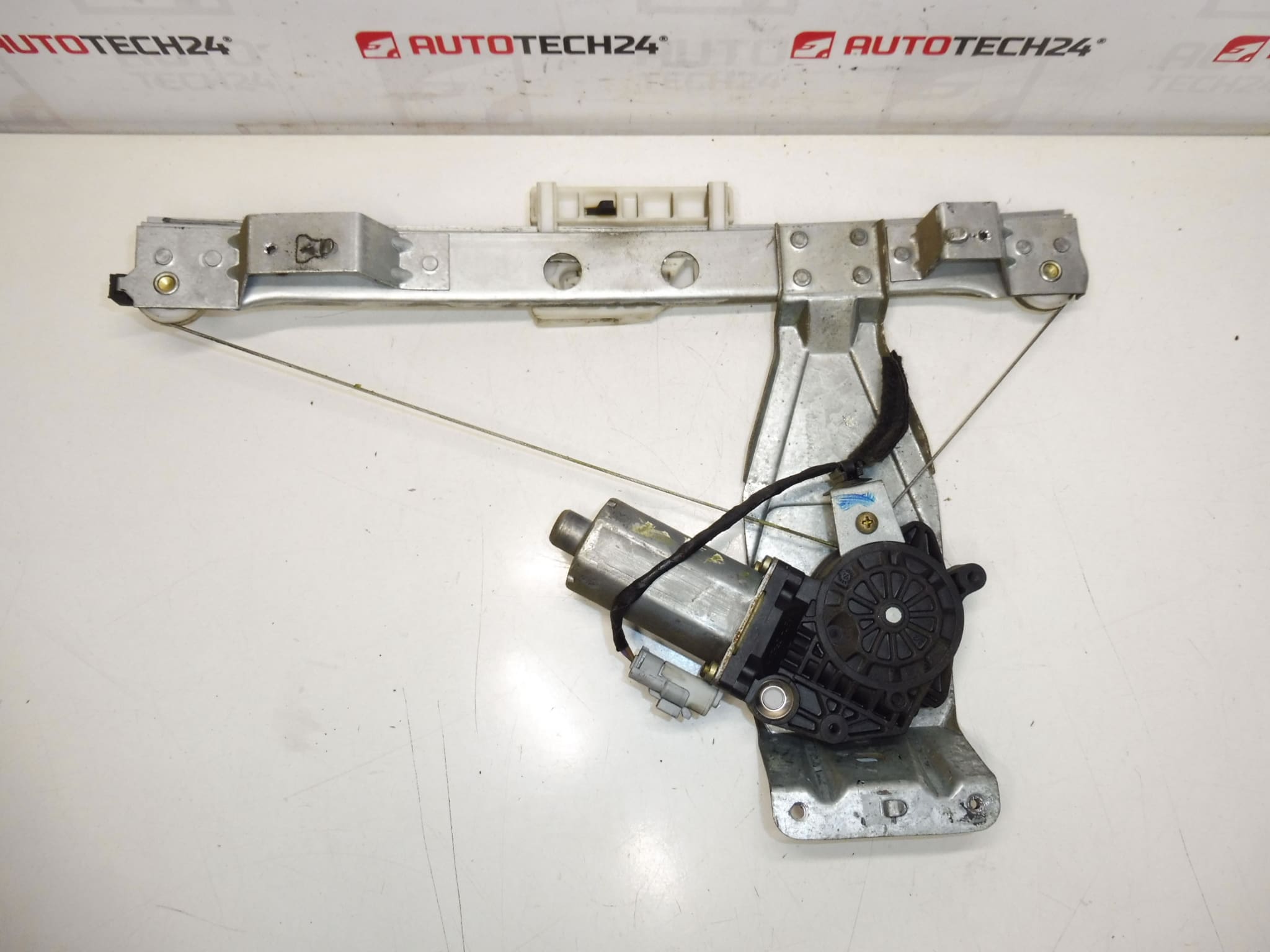
Right Rear Window Regulator Mechanism For Citroën C3 First Generation — Passenger-Side Rear Door.
This electric window regulator is designed as a direct replacement for the right rear (passenger-side rear door) window lifter on the first-generation Citroën C3. Ideal for professional garages and experienced DIYers, the unit restores smooth, reliable up-and-down movement of the glass and eliminates common symptoms such as grinding, slow travel, or a window that will not hold position. Part number 922487 is commonly used when searching for this specific component.
Built to fit the factory mounting points, the mechanism includes the regulator assembly and motor interface required for standard electric window systems. Replacing the worn regulator returns quiet operation and prevents additional damage to the glass or door internals that can occur from a failing unit. Suitable for technicians who need a fast, dependable repair without lengthy adjustments.
Technical Information
- Manufacturer: Stellantis / Citroën
- Model: Citroën C3 (First Generation, passenger-side rear door)
- Product Codes: 922487
- Additional Numbers: NFP (as supplied in original listing)
Compatibility
Fits Citroën C3 First Generation models (commonly the 2002–2009 model years) for the right rear door. Always check the part number 922487 when searching to improve chances of finding the correct match.
Typical Symptoms That Indicate Replacement Is Needed
- Window Glass Does Not Move Up Or Down Or Moves Intermittently
- Grinding Or Clicking Noises Inside The Door During Operation
- Slow Or Jerky Window Travel
- Window Falls Into The Door Or Does Not Stay In Position
- Electrical Motor Does Not Respond Despite Power At Connector
Why This Part Usually Fails
Window regulators on older C3s commonly fail due to wear of mechanical components and environmental factors. Plastic sliders, guides, and cable mounts become brittle over time and can crack or detach. Cable fraying or gear wear inside the motor assembly leads to loss of movement or noisy operation. Water ingress and corrosion inside the door accelerate deterioration, and repeated heavy use raises the likelihood of failure. In many cases, the motor remains functional while the regulator’s mechanical parts fail.
Installation Recommendations
- Tools: Trim removal tools, Torx bits, ratchet and appropriate sockets, flathead and Phillips screwdrivers, gloves, and a support for the glass.
- Safety: Disconnect the vehicle battery before starting to prevent accidental motor activation. Secure the window glass with tape or a wedge before removing the regulator to avoid it falling and breaking.
- Procedure Summary: Remove the interior door panel and moisture barrier, disconnect the electrical connector to the window motor, support and if necessary unbolt the glass from the regulator (raise or lower to service position), unbolt and remove the old regulator and motor, fit the new regulator and attach the glass, test operation before final reassembly, then reinstall the vapor barrier and door trim.
- Adjustment: Ensure the glass is correctly seated in the run channels and that travel limits are set so the window seals properly at the top and does not bind at the bottom.
- Recommendation: Inspect door wiring, connector condition, and drainage channels while the door is open; clear any blockages to reduce future water-related failures.
Replacing the regulator as soon as symptoms appear prevents further damage to the glass and door internals and restores dependable operation. This part is intended for technicians and capable DIYers familiar with door disassembly and reassembly procedures.