Description
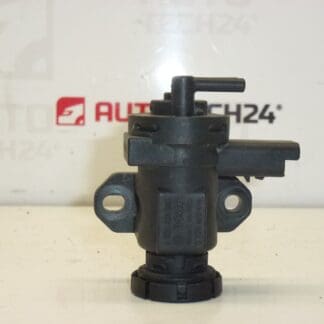
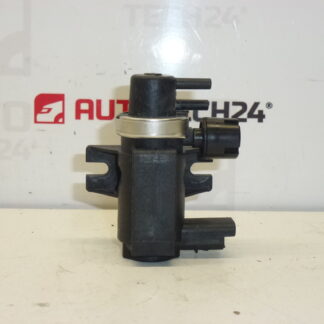
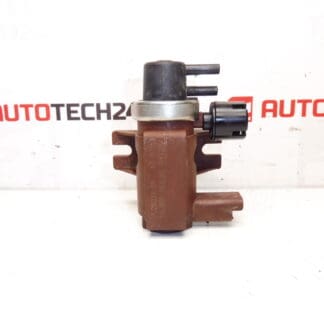
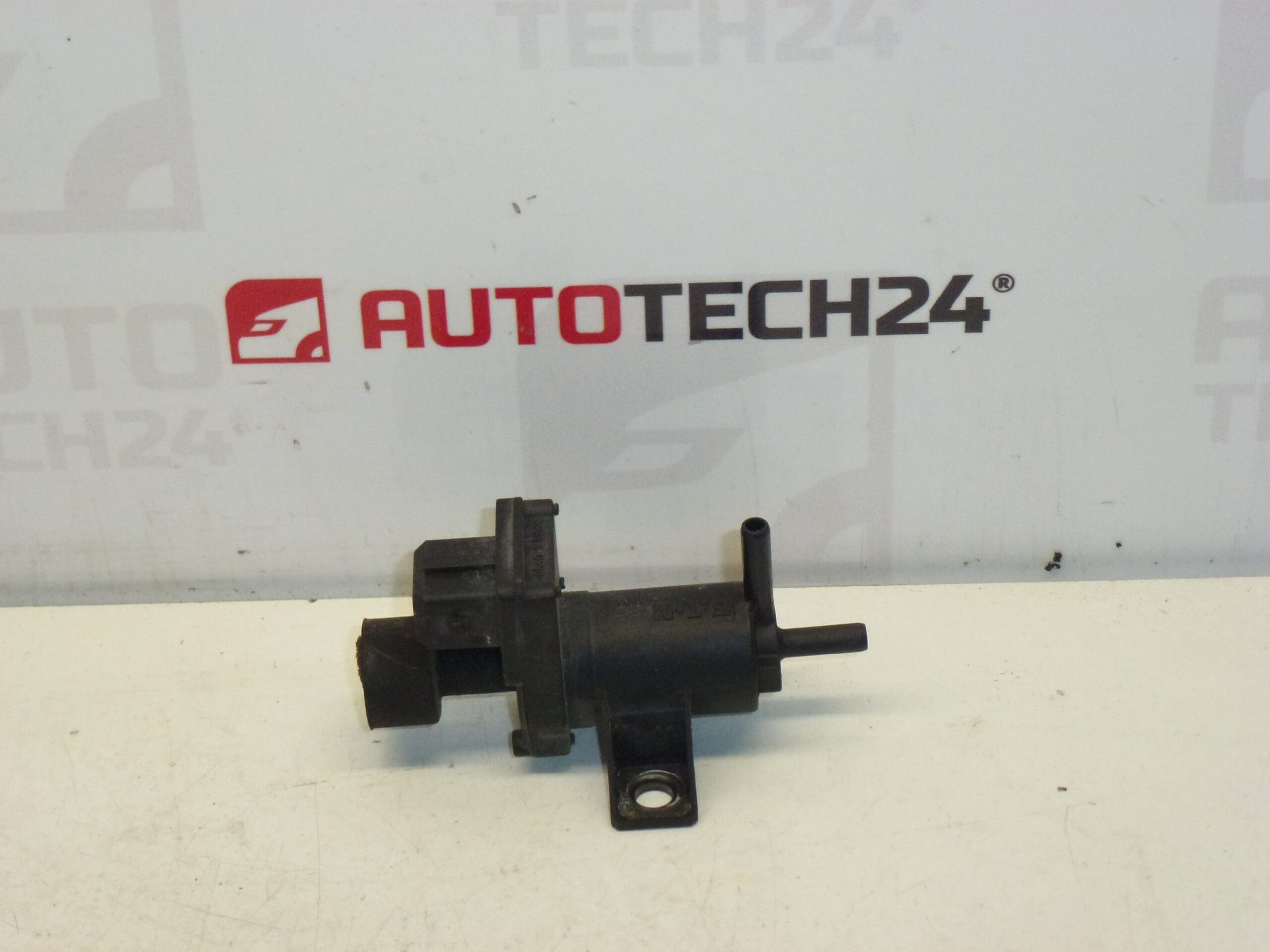
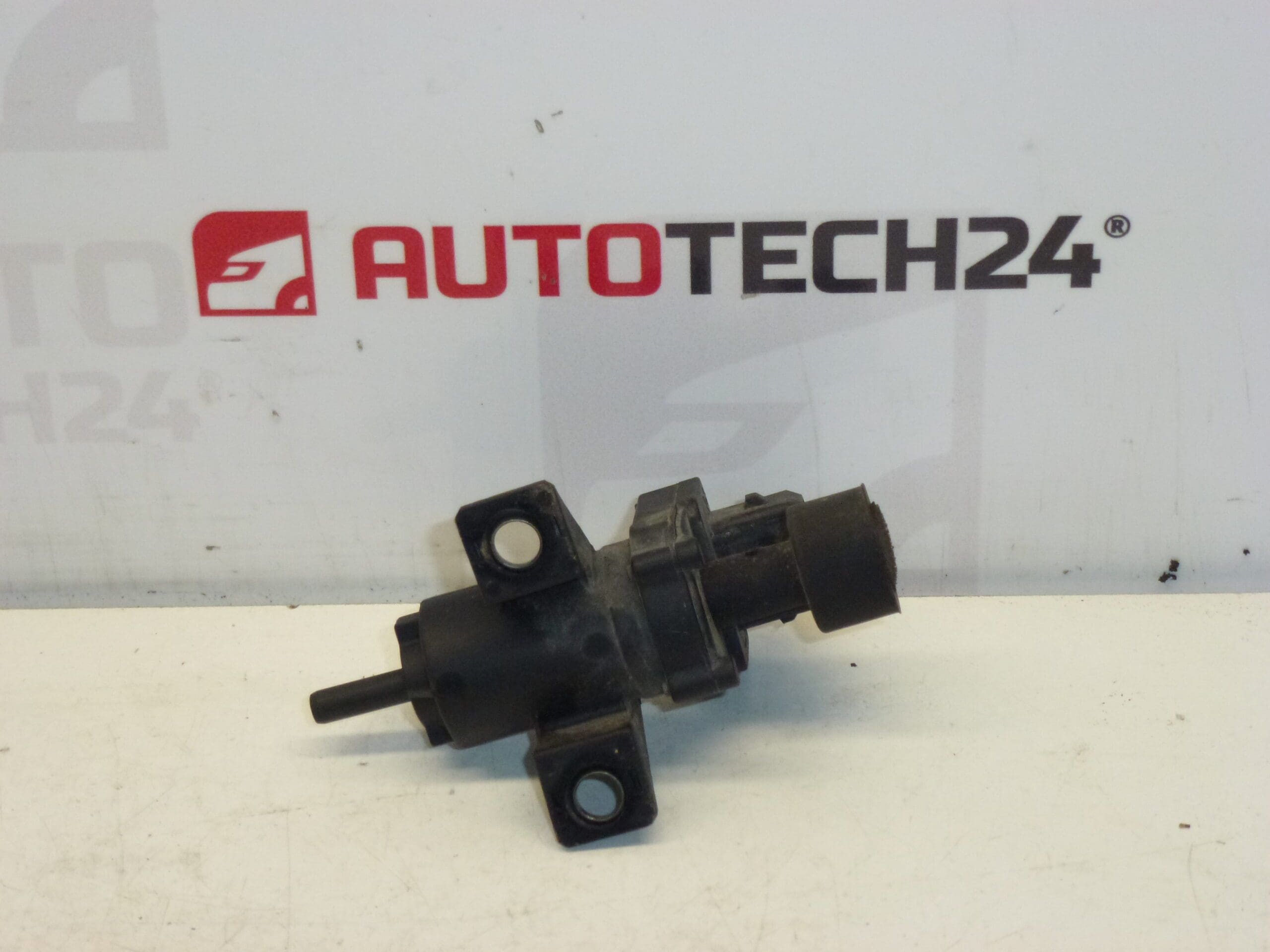
Vacuum valve, pressure converter for EATON swirl flaps for Citroën and Peugeot vehicles. Electric valve for exhaust gas recirculation. Used part with functional warranty.
This vacuum/pneumatic control valve from EATON is a direct-fit component commonly used on Citroën and Peugeot diesel engines to regulate pressure to swirl-flap actuators and to control EGR-related vacuum circuits. Designed for professional workshops and DIY mechanics, the unit is often searched by its product numbers (1951510, 1628CH) — include these codes when looking up fitment or replacement parts.
Typical symptoms of a failing valve include illumination of the engine warning light, rough or unstable idle, reduced engine responsiveness, irregular EGR operation or swirl-flap faults, and occasional loss of torque or increased fuel consumption. Diagnosing should start with visual inspection of vacuum lines and electrical connector, followed by functional testing of the valve with a multimeter and a vacuum/12V supply if available.
Technical Information
- Manufacturer: Eaton
- Model: Citroën C5; Citroën C8; Peugeot 307; Peugeot 406; Peugeot 607; Peugeot 807
- Product Codes: 1951510, 1628CH
- Additional Numbers: NFP
Installation Recommendations
- Prepare: Work on a cool engine, disconnect the battery if required by your workshop practice to avoid electrical faults.
- Removal: Locate the valve (often mounted on or near the intake manifold/EGR assembly), unplug the electrical connector, and remove mounting screws or clips. Gently detach vacuum hoses and note routing.
- Inspection: Check vacuum hoses, O-rings and mating surfaces for cracks, hardening or carbon deposits. Replace hoses and O-rings as needed to ensure a leak-free installation.
- Fitting: Fit the replacement valve, secure mounting fasteners to original torque where specified, reconnect vacuum lines and the electrical connector. Start the engine and confirm correct operation; check for vacuum leaks and clear any stored fault codes after replacement.
- Testing: If possible, bench-test the valve with a 12V supply and a handheld vacuum pump or measure coil resistance with a multimeter to confirm electrical continuity before installation.
Reason For Common Failure
- Carbon Contamination: Soot and carbon build-up in EGR or intake systems can clog or block valve passages and ports, impairing movement and sealing.
- Vacuum Hose Degradation: Old or brittle vacuum hoses leak or collapse, preventing the valve from actuating correctly.
- Mechanical Wear Or Diaphragm Damage: Internal diaphragms or seals can rupture over time, causing loss of vacuum control.
- Electrical Faults: Corroded connectors, damaged wiring or coil failures lead to loss of valve actuation.
This part is suitable for professional replacement and for competent DIY mechanics familiar with intake/EGR systems. When replacing, always renew associated sealing elements and inspect the vacuum supply to ensure a reliable, long-term repair.