Description
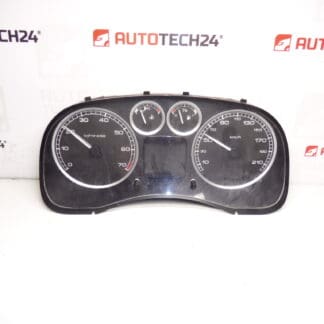
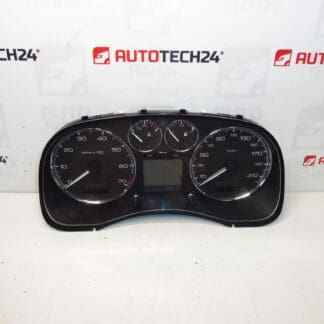
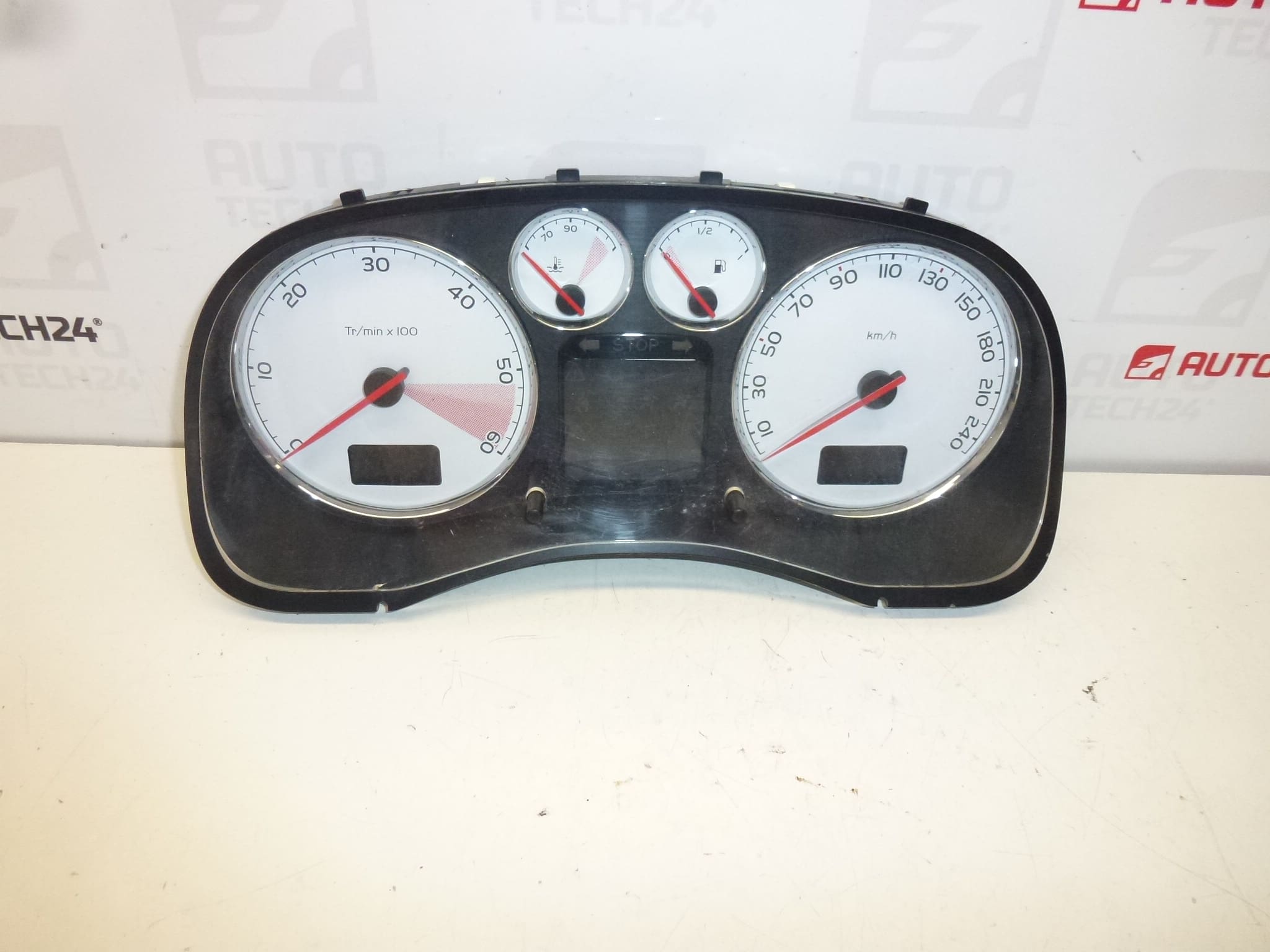
Instrument Cluster (Speedometer) for PEUGEOT 307 II. Removed from a vehicle with 239000 km.
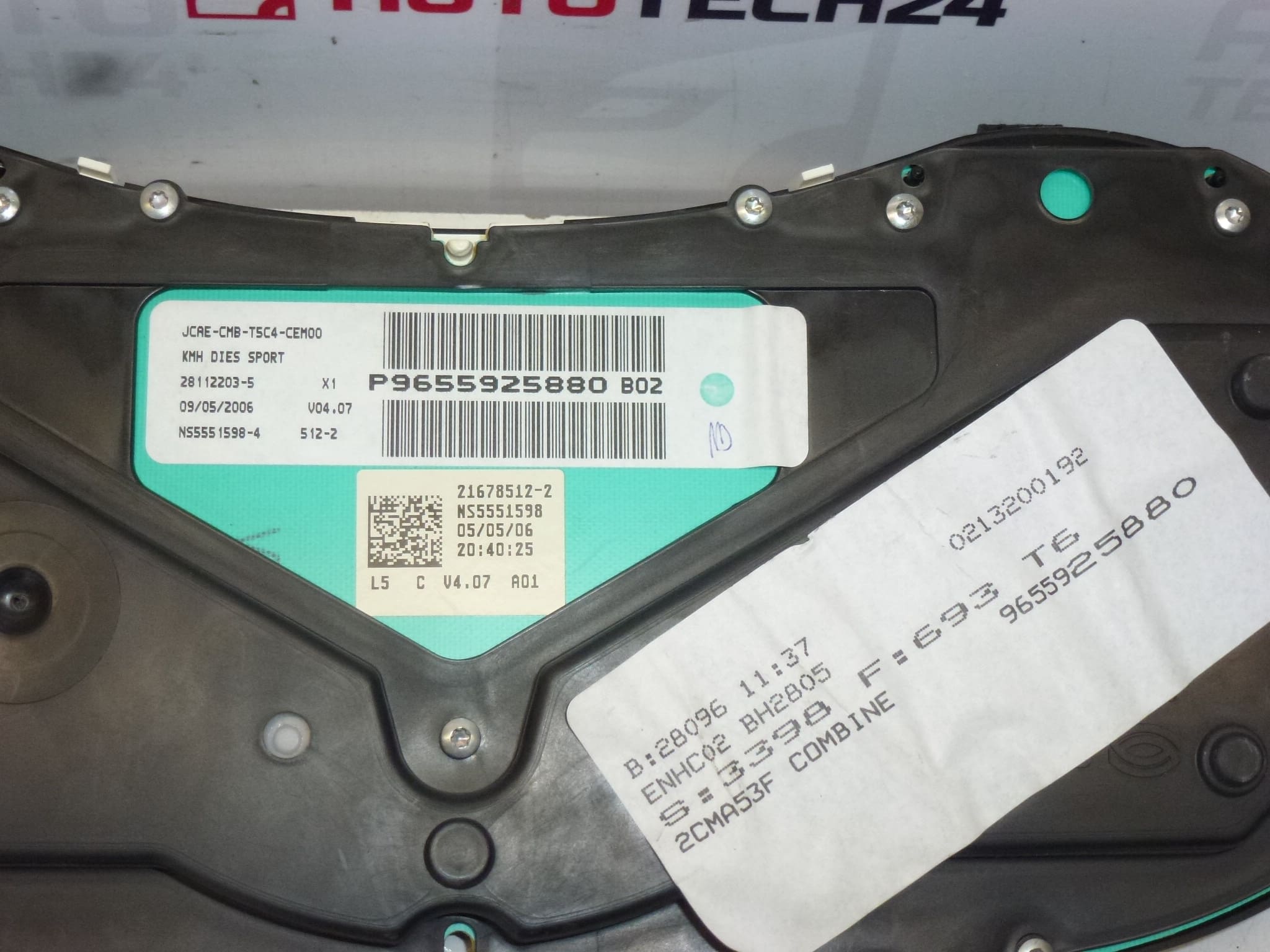
This genuine used instrument cluster is a direct-fit dashboard gauge set for Peugeot 307 II owners and professional mechanics. It carries OEM references commonly searched by technicians and DIYers: 9655925880, 6103L8, 6105T4. Ideal when replacing a faulty cluster that shows flickering needles, dead backlight, or intermittent gauges. Supplied as removed from a car—suitable for installation by a workshop or skilled DIY mechanic familiar with dashboard electronics.
Technical Information
- Manufacturer: Stellantis / Peugeot
- Model: Peugeot 307 II
- Product Codes: 9655925880
- Additional Numbers: 6103L8, 6105T4
- Removed Mileage: 239000 km
Fitment
Designed for Peugeot 307 II (second generation). Fitment depends on the exact equipment level and the original part number—search by the OEM code(s) above to confirm compatibility with your vehicle’s dashboard variant.
Function
The instrument cluster displays vehicle speed, engine rpm (where applicable), fuel level, coolant temperature and warning indicators (ABS, engine, airbag, etc.). It centralizes driver information and interfaces with vehicle sensors and the vehicle electrical system to present real-time status and fault warnings.
Replacement Procedure
- Always disconnect the vehicle battery before beginning any work on the dashboard to avoid short circuits or damage.
- Remove trim panels and steering column shrouds to access the cluster mounting screws (commonly Torx or Phillips fasteners).
- Unscrew and gently pull the cluster forward to reach the electrical connectors on the rear.
- Release connector locks and unplug wiring harnesses. Note connector orientation for reinstallation.
- Install the replacement cluster by reversing the removal steps. Reconnect the battery and verify operation of gauges and warning lights before refitting trim.
Installation Recommendations
- Work on a stable, well-lit bench or in a workshop environment. Use correct tools (Torx set, trim tools) to avoid damaging panels.
- Observe ESD precautions when handling electronic modules; avoid touching circuit boards or contacts.
- Test the cluster functionality (illumination, needles, warning lights) before final reassembly.
- If fault codes or irregular indicator behavior appear after installation, use appropriate diagnostic equipment to read and clear codes.
Why This Part Most Commonly Fails
Instrument clusters typically fail due to a combination of age, heat cycling and electrical stress. Common causes include deteriorated solder joints on the PCB, failing stepper motors or gauge mechanisms, burnt backlight bulbs or LEDs, corrosion or moisture ingress, and intermittent connector contacts. High mileage and extended exposure to temperature variations accelerate wear of internal electronic components.
Notes
Part is sold as a used component removed from a Peugeot 307 II with 239000 km. Check the OEM part numbers listed in the Technical Information section to ensure fitment with your vehicle’s dashboard variant.