Description
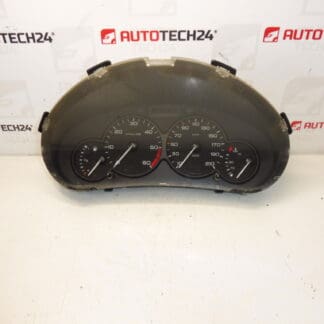
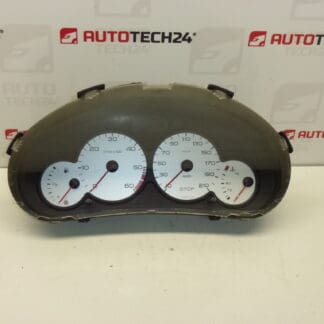
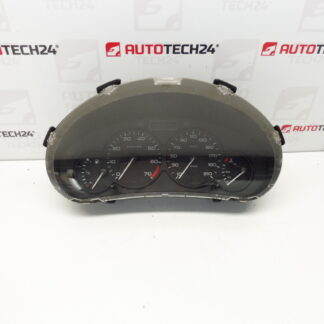
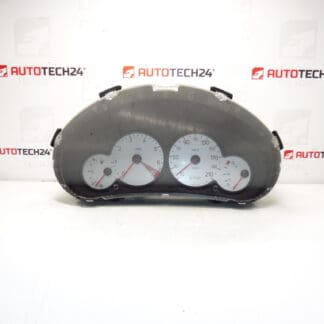
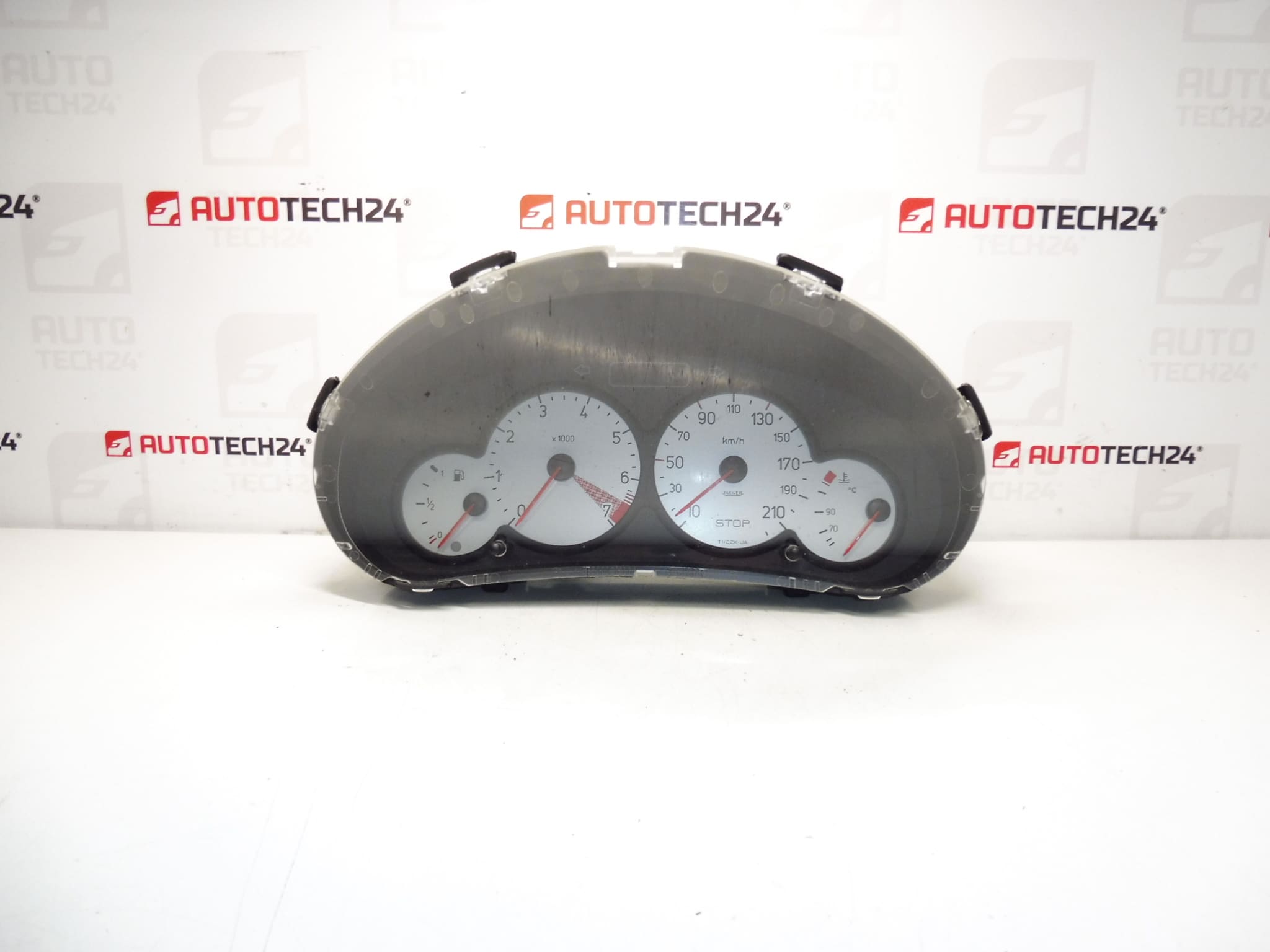
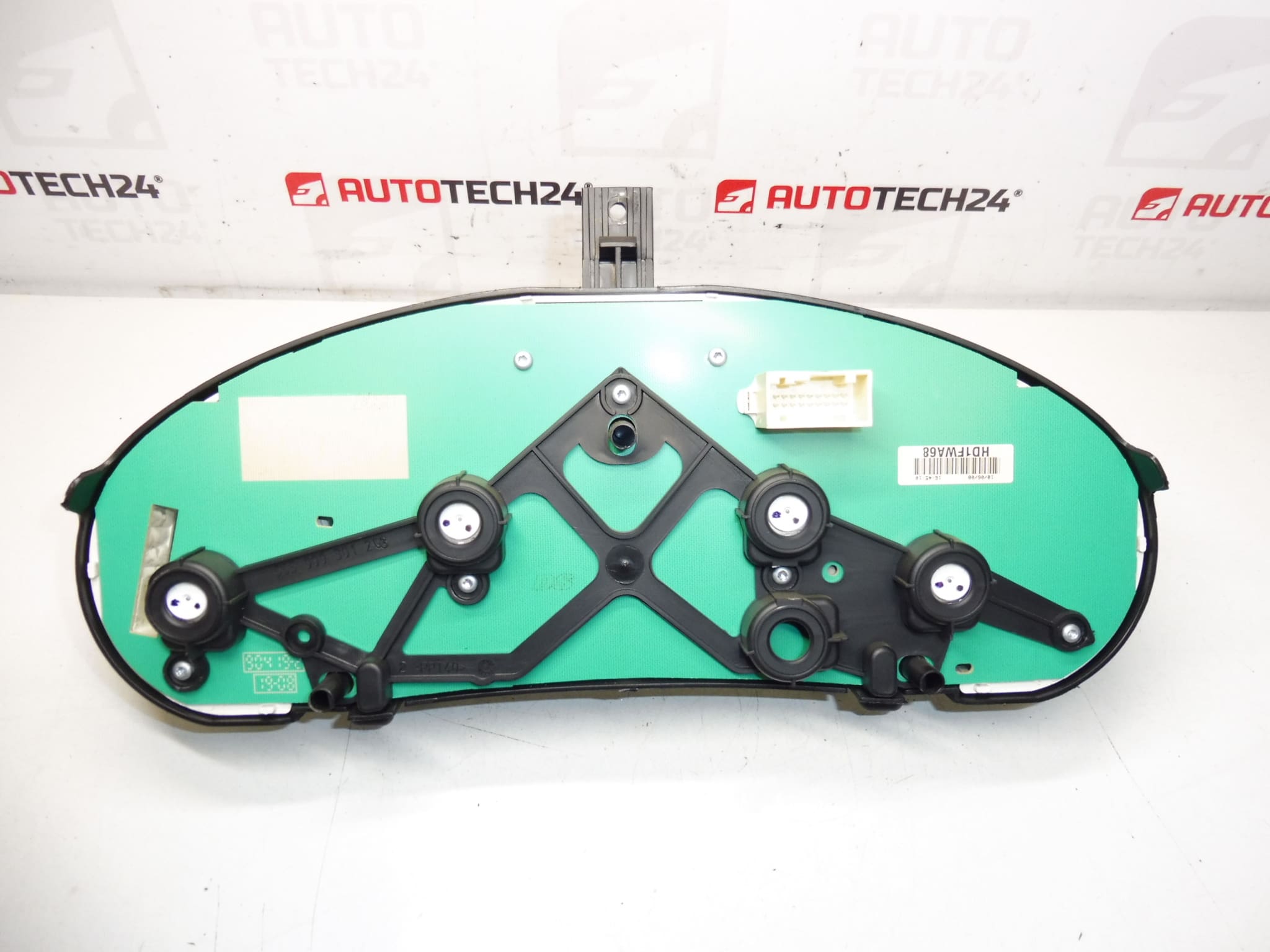
Instrument cluster (speedometer gauges) from a PEUGEOT 206 1.4 i 2008. From a vehicle with 66,000 km.
This genuine instrument cluster is an ideal replacement for mechanics and DIY enthusiasts working on Peugeot 206 vehicles. Designed to restore clear speedometer, tachometer and warning-light visibility, this unit comes from a low-mileage donor car (66,000 km), improving the reliability and appearance of the dash. Searchable by common part numbers (9659729180, 6106LL, 6106LN), it is an excellent option when the original cluster shows faults such as intermittent gauges, dead backlighting or erratic needle movement.
Technical Information
- Manufacturer: Peugeot (Stellantis)
- Model: Peugeot 206 1.4 i (2008)
- Product Codes: 9659729180
- Other Numbers: 6106LL, 6106LN, 6106.LL, 6106.LN
Compatibility
Intended primarily for Peugeot 206 petrol models using the same instrument cluster part numbers. Before installation, compare the part numbers printed on your existing cluster to ensure correct fitment. Instrument clusters can vary by production year, trim and regional specification.
Installation Recommendations
- Always disconnect the vehicle battery before removing the cluster to avoid short circuits and to protect vehicle electronics.
- Remove surrounding trim panels carefully to avoid breaking plastic clips; use trim tools where possible.
- Unscrew the retaining fasteners, pull the cluster forward and unplug electrical connectors by releasing their locking tabs.
- Handle the unit by the housing; avoid touching printed circuit boards or connector pins directly.
- After fitting, check all gauges, warning lights and backlighting. If any functions do not operate correctly, recheck connectors and fuses before assuming internal failure.
- If the cluster stores vehicle-specific data (odometer/immobilizer), be aware that some vehicles may require diagnostic equipment to restore full functionality.
Most Common Failure Reasons
Instrument clusters commonly fail due to a few typical causes:
- Age and Wear: Stepper motors that drive needles can lose torque over time, causing sticky or inaccurate gauge movement.
- Thermal Stress and Vibration: Cracked solder joints and cold joints on the circuit board caused by repeated heating/cooling cycles and vibration.
- Moisture Ingress: Condensation or water entry can corrode contacts and damage PCB traces or connectors.
- Electrical Problems: Voltage spikes, poor grounding or faulty alternator outputs can damage internal electronics or backlighting.
- Illumination Failures: Burnt bulbs or failed LED arrays result in poor or no dash illumination, especially at night.
For workshop use this unit offers a cost-effective way to replace a malfunctioning cluster and return the dashboard to full operation. Professional tools and a methodical approach will ensure a smooth swap and reliable result.