Description
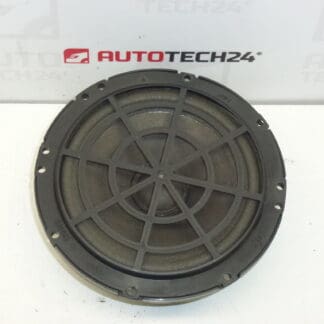
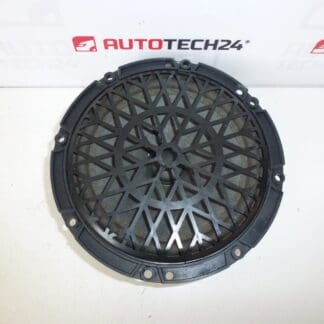
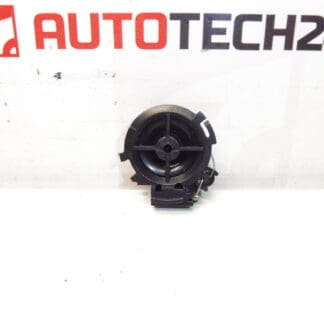
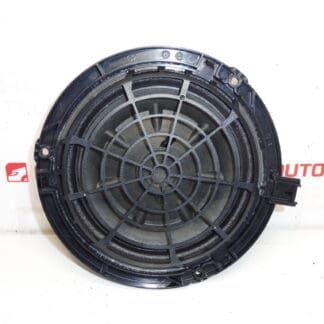
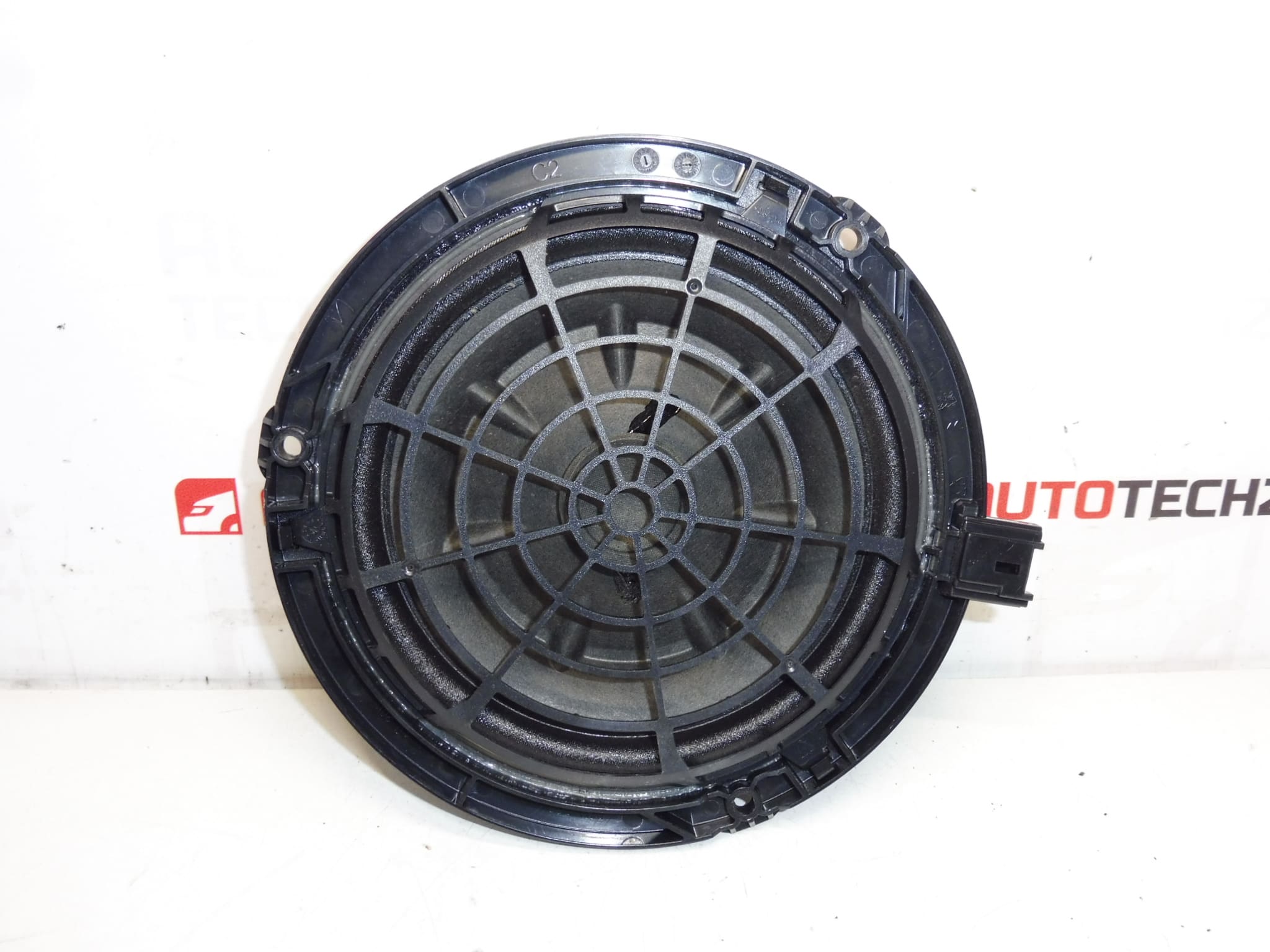
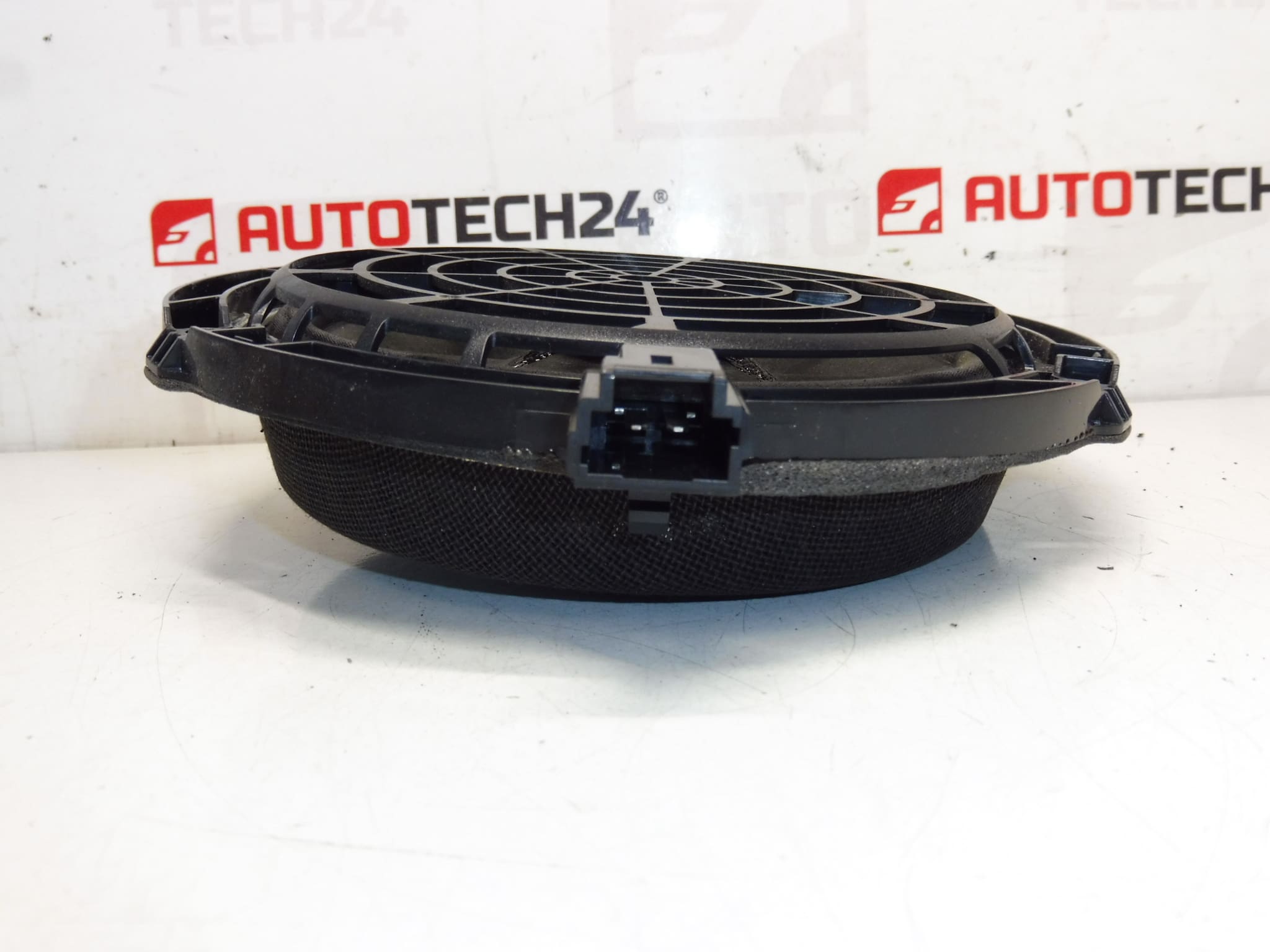
Speaker for Citroën and Peugeot vehicles. Diameter 160 mm.
This 160 mm car speaker is a direct-fit audio replacement intended for a range of Citroën and Peugeot models. Designed for workshop use and competent DIY mechanics, the unit restores original sound staging and clarity in door or rear parcel shelf applications where a 160 mm driver is specified. The speaker is commonly referenced by OE and supplier codes, so customers frequently search by part number when sourcing a replacement.
How To Replace
Replacement is straightforward for a trained mechanic or an experienced DIYer. Typical steps:
- Remove the trim or door panel following the vehicle manufacturer’s procedure to avoid damaging clips and wiring.
- Disconnect the speaker connector and remove the mounting screws or bolts holding the old speaker.
- Compare connector type and speaker depth to ensure the new unit fits without modification. Observe speaker polarity (+/−) to maintain correct phase.
- Fit the new speaker, secure with the original fasteners or appropriate replacements, reconnect the connector and test audio before reassembling the trim.
- Reinstall trim, ensuring all clips and fasteners are correctly seated. Test road noise and audio performance after installation.
Installation Recommendations
- Work in a clean, dry area and protect interior trim panels during removal and reassembly.
- If speaker mounting holes or spacers differ, use appropriate adapters or gaskets to avoid rattles and to maintain correct speaker alignment.
- Check wiring and connector condition. Clean corroded contacts and ensure a secure electrical connection to prevent intermittent sound or noise.
- When possible, test the speaker with low volume first to confirm correct polarity and function before final reassembly.
- Disconnecting the battery is recommended when working on door electronics with powered windows or airbags nearby; follow safe workshop practices.
Why The Part Commonly Fails
- Age-Related Wear: Foam or rubber surrounds dry out and deteriorate over years, causing loss of bass response or rattling.
- Moisture Ingress: Water from door seals or condensation can damage the cone, voice coil, or terminals.
- Electrical Stress: Blown voice coils caused by prolonged overdrive or amplifier faults lead to distortion or no sound.
- Mechanical Damage: Impact or improper removal/installation can deform the cone or magnet assembly.
Technical Information
- Manufacturer: Stellantis (Citroën / Peugeot)
- Model: Citroën C4 Cactus; Citroën C4 II; DS4; DS5; Peugeot 208; Peugeot 508
- Product Codes: 9665231980; 6562CS; 1609985180
- Other Numbers: 160mm
Search Tip: This speaker is often located by its part numbers (9665231980 / 6562CS / 1609985180) or by the 160 mm size designation. If your vehicle specifies a 160 mm speaker for the door or rear shelf, this unit is a suitable replacement to restore factory-style sound. Ideal for professional garages and experienced DIY installers who value a straightforward, reliable fit.