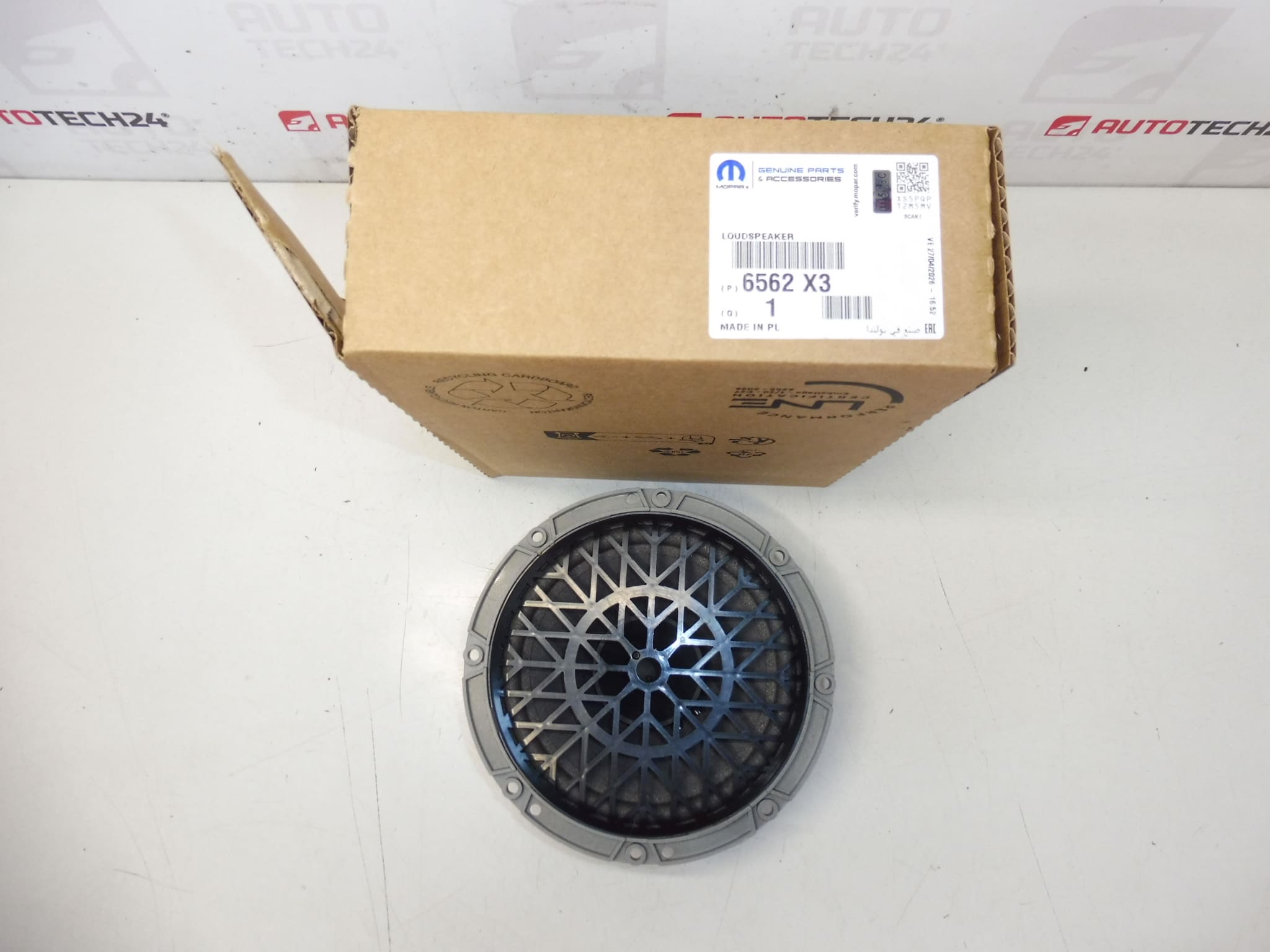
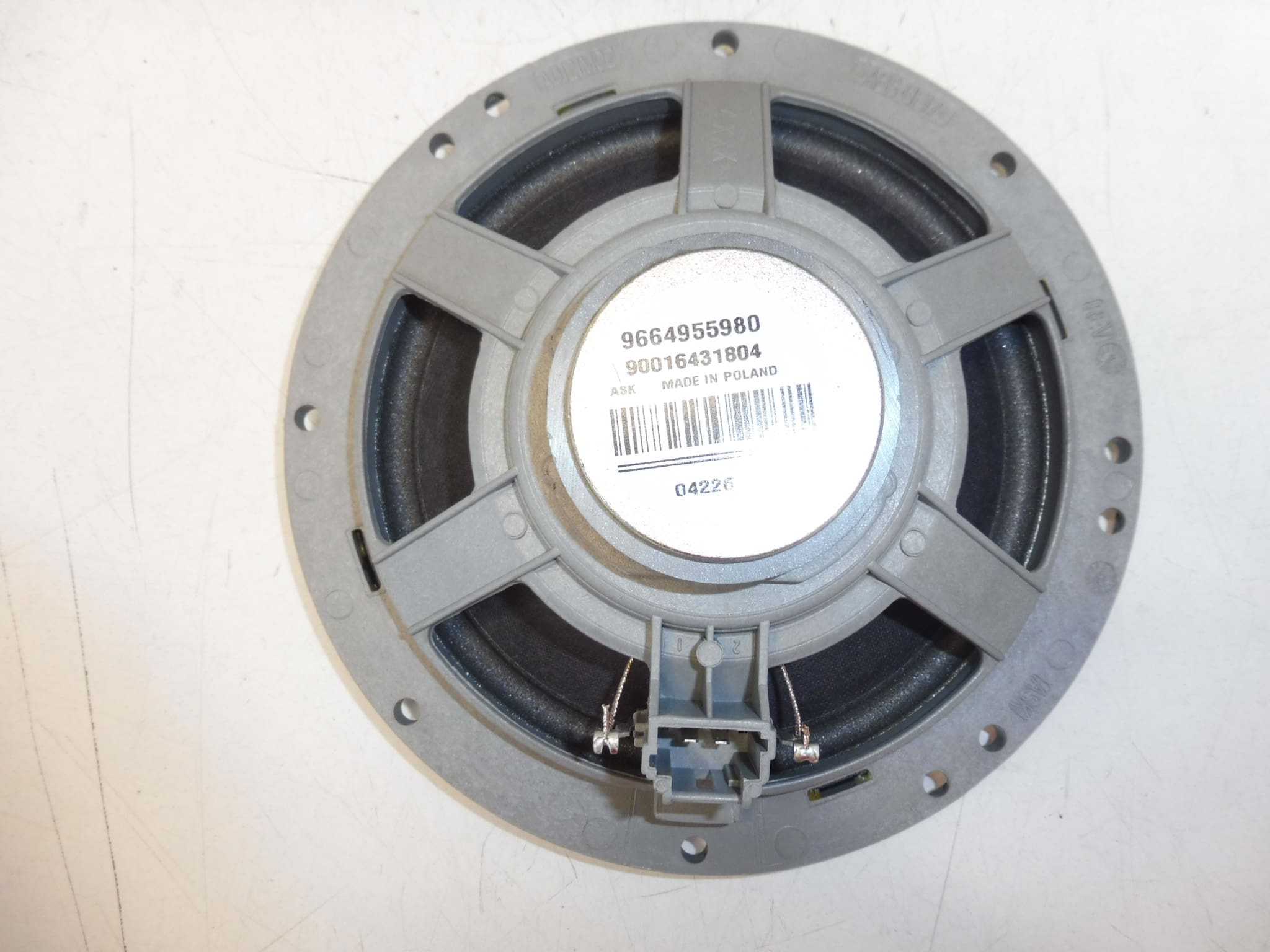
Description
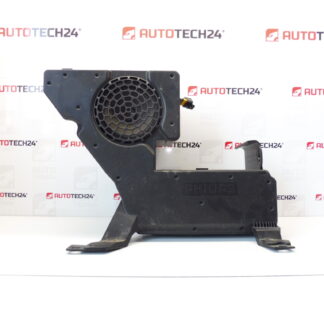
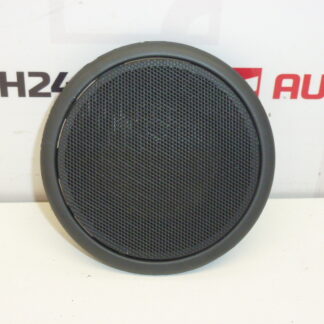
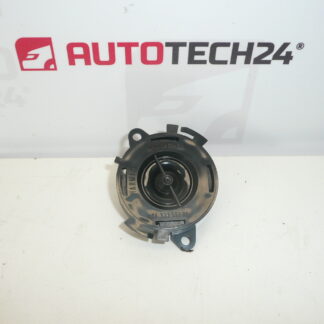
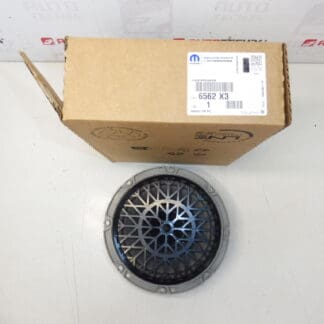
Speaker for CITROËN and PEUGEOT vehicles
Original new part
Diameter 165 mm
Overview
High-quality OEM 165 mm speaker, designed as a direct replacement for many Citroën and Peugeot models. Supplied as an original new part, this speaker restores factory sound characteristics and fitment, making it ideal for professional workshops and experienced DIYers searching by part numbers 9664955980 or 6562X3. Easy to install into standard 165 mm mounting locations, it delivers reliable performance for everyday driving and improves clarity compared with worn factory units.
Compatible Models
Commonly used in: Citroën C3 Picasso, Citroën C4 Picasso, Citroën C5 (X7), Peugeot 207, Peugeot 407. Often referenced by OEM codes 9664955980 and 6562X3.
How To Replace
- Remove the door trim or speaker grille to access the original speaker (use appropriate trim tools to avoid damage).
- Unscrew the retaining screws and carefully pull the speaker out of the mounting cup.
- Unplug the electrical connector from the speaker. Inspect the connector for corrosion or damaged pins.
- If required, transfer any adapter plates or sealing foam from the old speaker to the new unit to ensure correct fitment.
- Connect the new speaker, taking care with polarity (positive/negative), fasten with the original screws, and test audio at low volume before reassembling the trim.
Mounting Recommendations
- Ensure Correct Polarity: Confirm positive and negative speaker wires to avoid phase cancellation and reduced bass response.
- Check Connector Condition: Clean or replace corroded connectors and secure wiring to prevent rattles or intermittent contact.
- Use Original Fixings: Reuse factory screws and mounting cups where possible; if adapters are required, fit them securely to maintain sealing against moisture.
- Test Before Reassembly: Power the speaker briefly at low volume to verify operation and polarity prior to closing panels.
- Protect Against Moisture: In door or rear deck locations prone to water ingress, ensure sealing foam and vapor barriers are intact.
Most Common Failure Causes
Speakers of this type typically fail due to foam surround degradation with age, torn or punctured cones, voice-coil damage from over-powering or distortion, and water ingress or corrosion of terminals. Mechanical damage during door-panel removal or poor wiring connections can also cause intermittent or permanent faults.
Technical Information
- Manufacturer: Stellantis
- Model: Citroën C3 Picasso; Citroën C4 Picasso; Citroën C5 X7; Peugeot 207; Peugeot 407
- Product Codes: 9664955980, 6562X3
- Other Numbers: Diameter 165 mm
Notes For Professionals
This speaker is an OEM-style replacement intended for direct-fit installations in compatible vehicles. When performing replacements in a professional workshop, inspect the entire audio circuit (head unit output, amplifier if present, and in-line crossovers) to diagnose underlying causes of speaker failure and avoid repeat issues.