Description
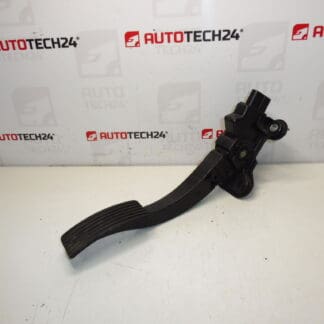
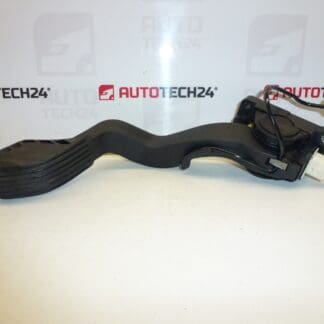
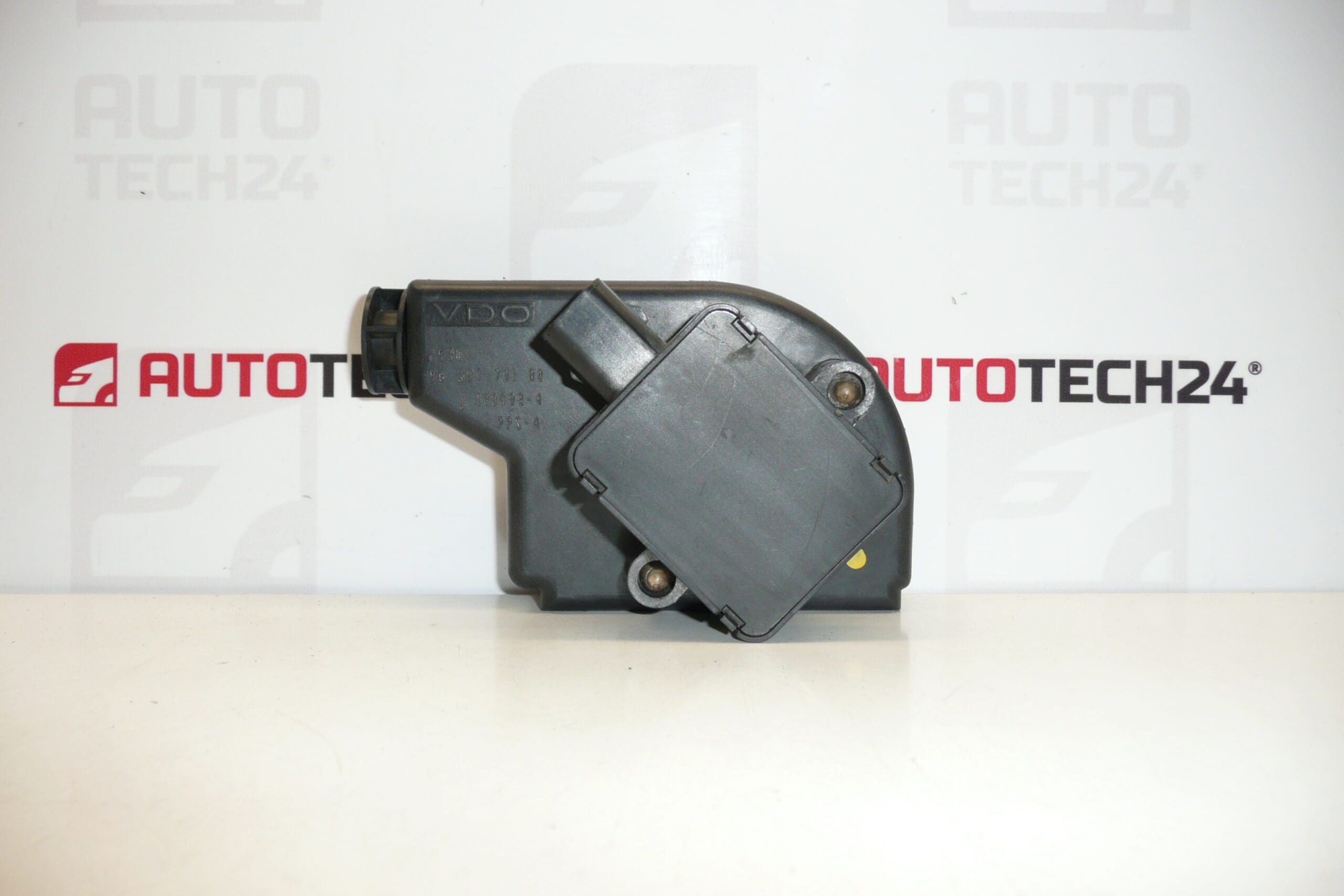
Throttle Potentiometer For Citroën Peugeot Vehicles. Suitable For Engines 1.6, 2.0, 2.2 HDi.
High-quality throttle potentiometer (accelerator pedal position sensor) designed as a direct replacement for affected Citroën and Peugeot diesel models. This sensor translates pedal travel into a precise electrical signal for the engine control unit, ensuring smooth and predictable throttle response. Ideal for professional workshops and skilled DIY mechanics searching by part number (OE references included). Compatible with a range of PSA vehicles and commonly fitted as a straightforward swap to restore correct engine response, idle stability and drivability.
Technical Information
- Manufacturer: Stellantis (Citroën / Peugeot)
- Model: Citroën Berlingo, Citroën C5, Citroën C8, Citroën Xsara, Citroën Xsara Picasso, Peugeot 307, Peugeot 406, Peugeot 807, Peugeot Partner
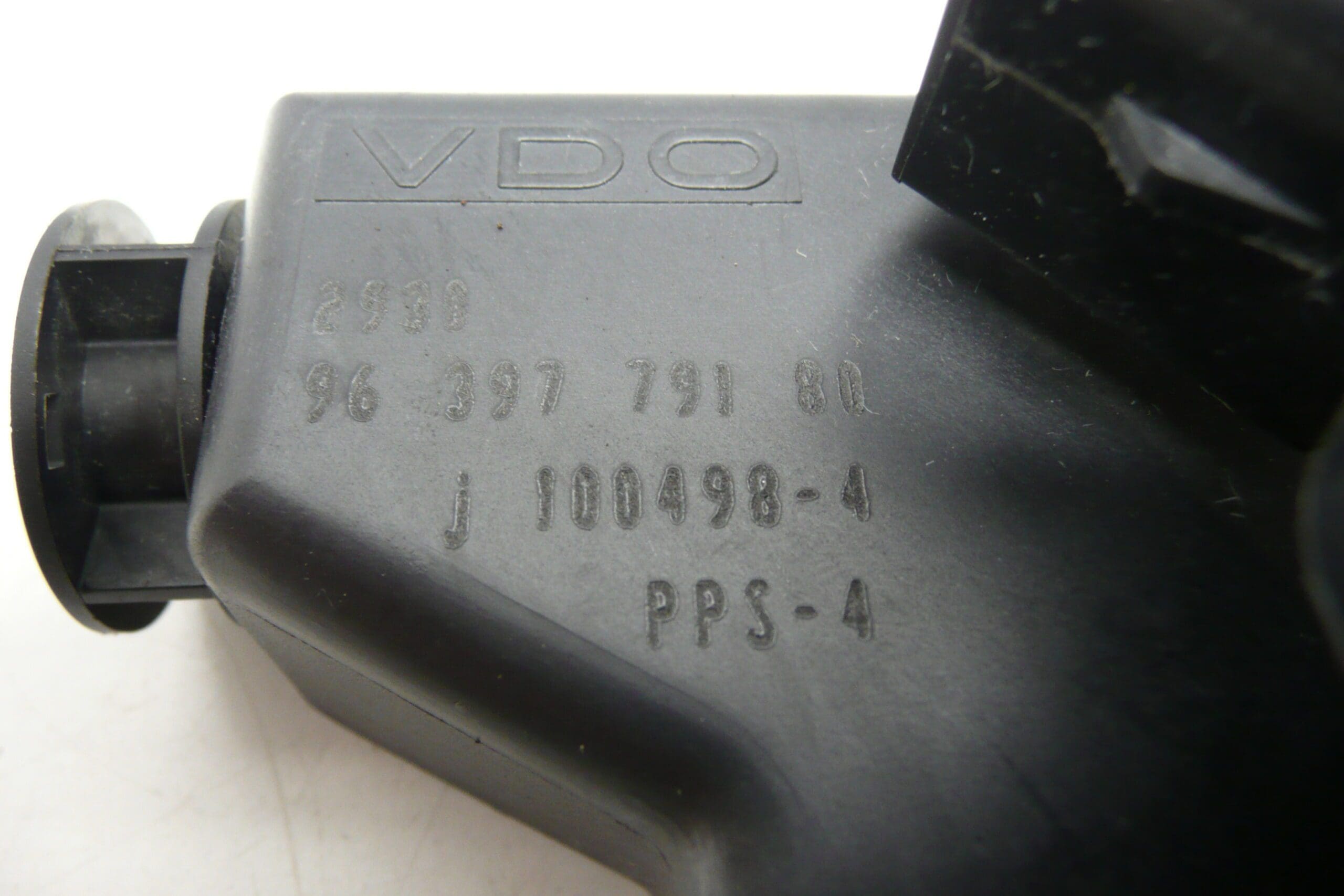
- Product Codes: 9639779180, 1920X1, 1920AK
- Additional Numbers: 9643365680, 445821001002, 19209W, 963977180
Function And Common Symptoms
The throttle potentiometer measures the accelerator pedal position and sends a proportional voltage signal to the engine control unit (ECU). When functioning correctly it supports smooth acceleration, correct idle speed and consistent throttle mapping. Typical symptoms of a failing sensor include erratic idle, hesitation on acceleration, limp-home mode activation, inconsistent throttle response, or warning lights related to engine management.
Why The Part Fails Most Often
Failures usually occur due to internal wear of the potentiometer track, contamination from moisture or dirt ingress, connector corrosion, or damage to the wiring harness. Mechanical stress on the pedal assembly and long-term use can also degrade the sensor’s internal components, causing intermittent or permanent signal loss.
Replacement Procedure
- Disconnect the negative terminal of the battery before starting work to avoid short circuits and protect vehicle electronics.
- Remove the lower dash trim or pedal access panel as required to reach the accelerator pedal assembly.
- Unplug the electrical connector from the potentiometer and remove the retaining screws or clips securing the sensor to the pedal assembly.
- Fit the new potentiometer in the same orientation, secure fasteners to the original position, and reconnect the wiring harness. Inspect connector pins for corrosion and clean if necessary.
- Reconnect the battery, clear any stored fault codes with a diagnostic tool and verify correct operation. Some vehicles may require a simple adaptation or throttle relearn procedure using a diagnostic scanner to restore full functionality.
Recommended Installation
Install the part in a clean, dry environment. Use original-style fasteners and avoid overtightening. Check wiring and connector clips for damage before assembly. Apply dielectric grease sparingly to connectors if exposed to moisture. After installation, perform a functional check and remove any fault codes; if throttle-related faults persist, inspect wiring back to the ECU and check for intermittent connector issues.
Notes For Professionals
This unit is commonly searched by OE numbers; confirm the reference matches the vehicle’s existing part number where possible. The sensor is a critical input to the engine management system—accurate installation and verifying signal integrity will prevent drivability issues and repeated return visits.