Description
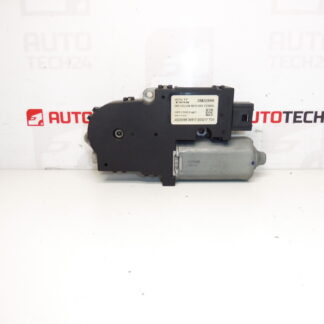
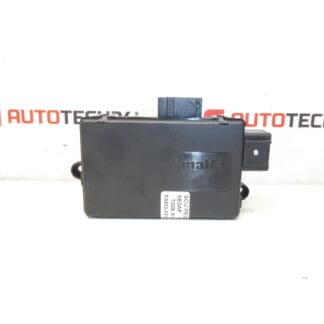
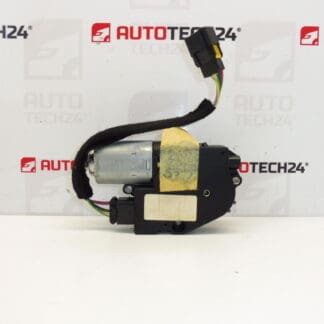
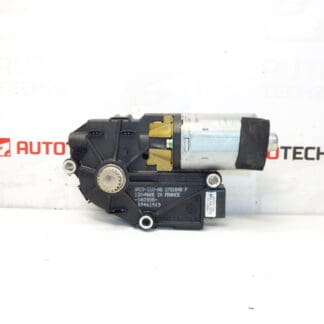
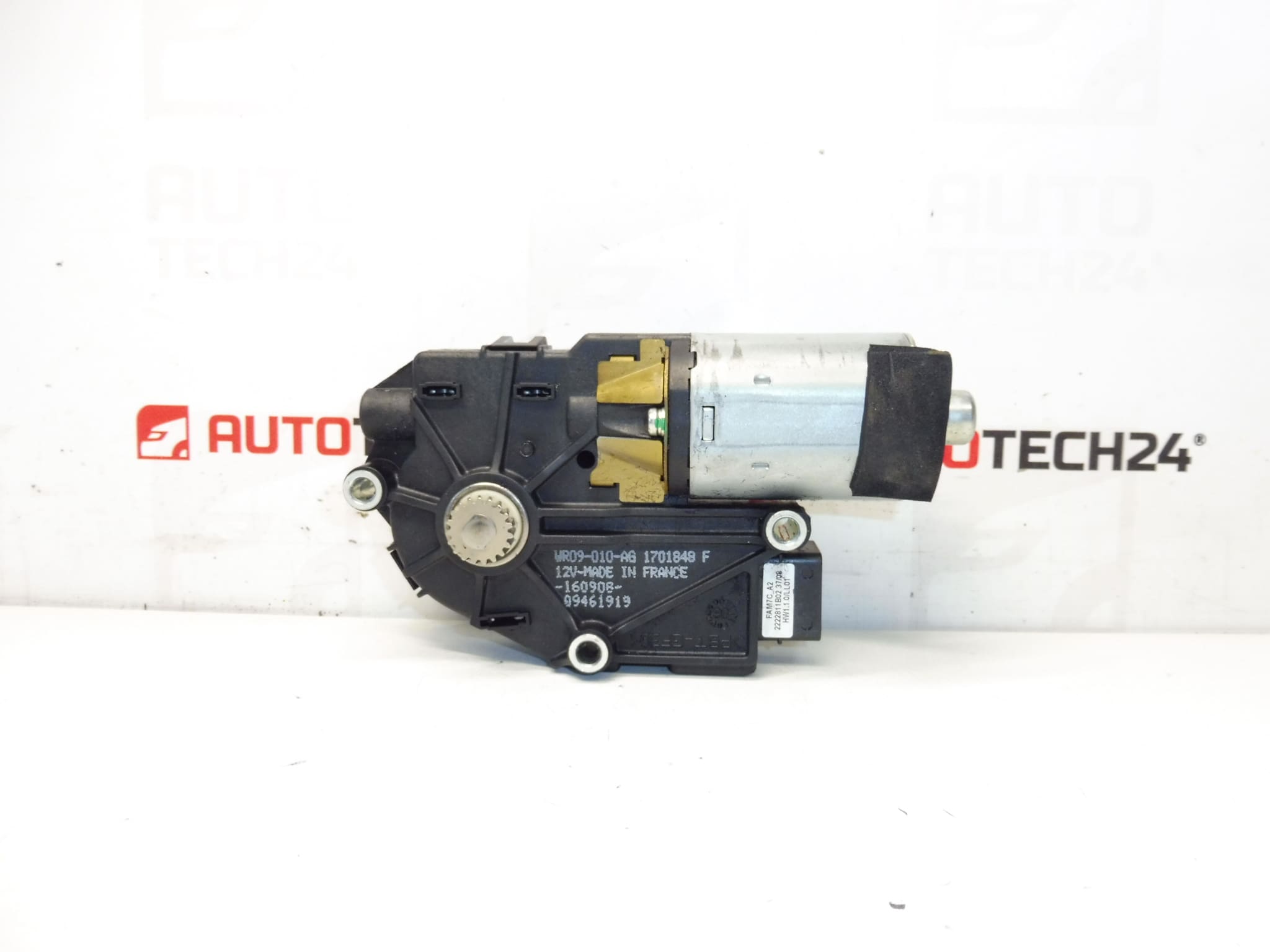
Sunroof Motor (Sliding Roof) For Peugeot 407
This Electric Sunroof Motor (Webasto) is designed for Peugeot 407 vehicles and replaces the original drive unit that operates the tilt-and-slide roof. The motor Is Compatible With Factory Fitted Sunroof Systems And Carries Common Reference Numbers Used By Workshops And Parts Search Engines, Making It Easy For Mechanics And Experienced DIYers To Identify The Correct Unit.
Key Benefits
Reliable 12V DC Drive For Smooth Sunroof Operation. Direct Replacement For The Original Webasto Unit, Restoring Proper Opening, Closing And Tilt Functions. Ideal For Professional Garages And Skilled DIY Enthusiasts Looking To Repair A Sticking Or Non-Working Sunroof.
Technical Information
- Manufacturer: Webasto
- Model: Peugeot 407
- Product Codes: 96836298BJ, 8401VS
- Additional Numbers: NFP (As Marked In Source Information)
Compatibility
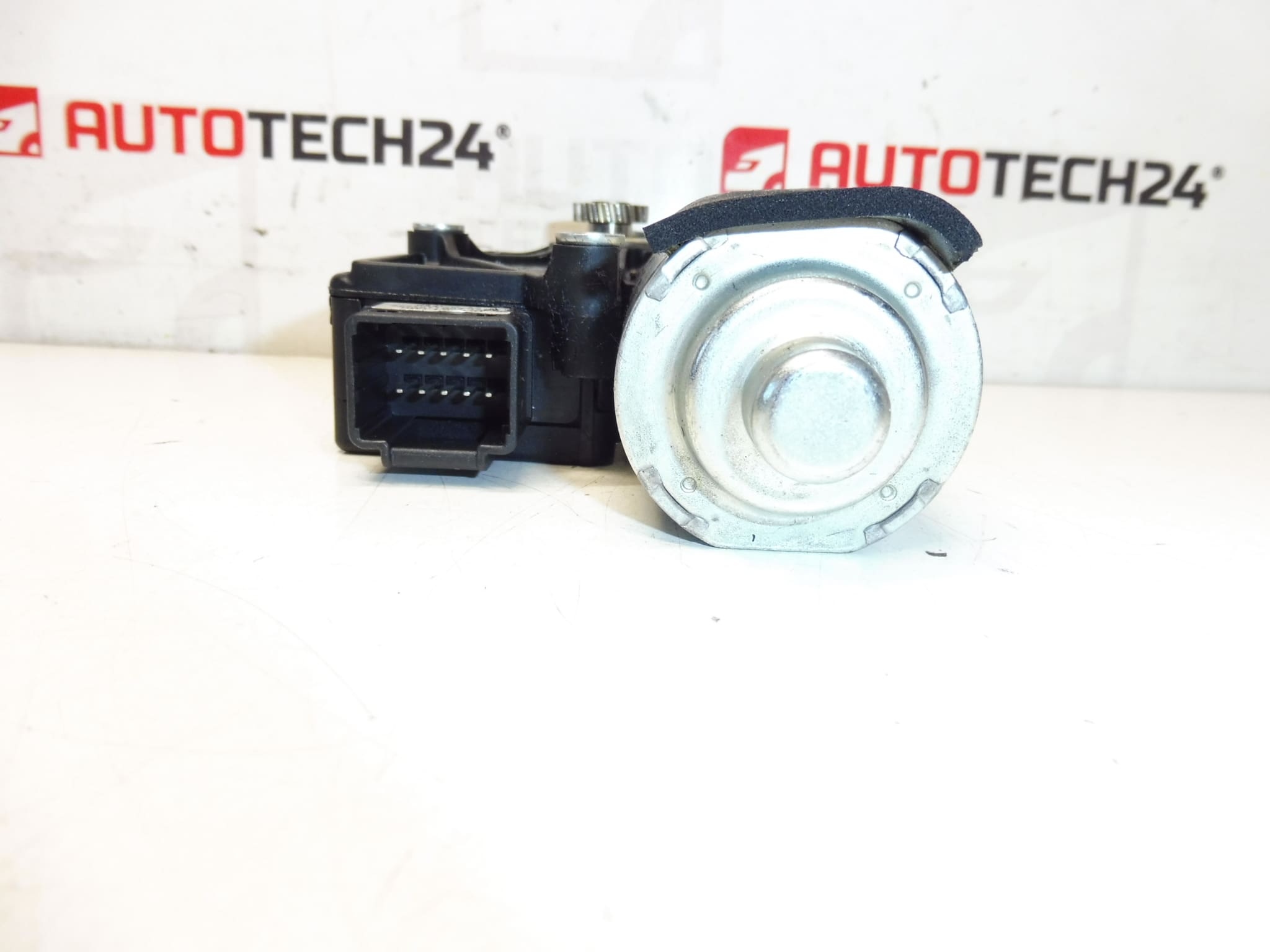
Fits Peugeot 407 Models Equipped With A Factory Electric Tilt-And-Slide Sunroof. Confirm Fitment By Matching The Part Number On The Old Motor (96836298BJ / 8401VS) And Visual Connector/Bracket Layout When Replacing.
How The Part Is Replaced
- Disconnect The Battery Before Work To Prevent Short Circuits Or Damage.
- Remove Interior Trim/Headliner Panels Around The Sunroof Area To Access The Motor Housing.
- Lower Or Remove The Sunroof Glass As Required To Reach Mounting Screws (Follow Manufacturer Procedure For Glass Removal If Needed).
- Unplug The Electrical Connector And Remove The Fasteners Securing The Motor To The Sunroof Mechanism.
- Install The Replacement Motor, Reconnect The Wiring, And Secure Fasteners With Correct Torque.
- Test Sunroof Function Full Travel (Open/Tilt/Close) And Adjust Mechanical End-Stops Or Positioning If Necessary.
- Reinstall Headliner Trim And Reconnect The Battery. Verify Proper Seal And Smooth Operation.
Installation Recommendations
- Always Disconnect The Negative Battery Terminal Before Starting Work.
- Keep Track Of All Fasteners And Use Thread Locker Where Manufacturer Specifies.
- Check The Condition Of Cables, Tracks, And Drain Channels During Service; Blocked Drains Or Misaligned Tracks Accelerate Wear.
- After Replacement, Cycle The Sunroof Several Times To Ensure The Gearbox And Linkages Are Correctly Seated.
- If You Are Unsure About Removing The Glass Or Headliner Safely, Seek Help From A Professional To Avoid Damage.
Why This Part Fails Most Often
Sunroof Motors Typically Fail Due To Long-Term Wear Of Internal Brushes And Commutator Or Due To Gearbox Wear And Stripped Teeth. Water Ingress From Blocked Drain Channels Or Worn Seals Can Cause Corrosion And Electrical Shorting. Heavy Or Misaligned Sunroof Tracks Increase Mechanical Load On The Motor, Leading To Premature Failure. Regular Maintenance Of Tracks, Drains, And Seals Helps Extend Motor Life.
Practical Notes For Mechanics And DIYers
Customers Often Search By The Product Code (96836298BJ / 8401VS), So Including These References Helps Locate The Correct Unit Quickly. The Motor Is A Direct Fit Replacement For Matching Sunroof Assemblies; Visual Confirmation Of Connector Type And Mounting Points Is Recommended Before Installation.
Why Buy This Unit
Replacing A Faulty Sunroof Motor Restores Convenience, Prevents Water Entry And Interior Damage, And Avoids Progressive Wear Of The Sunroof Mechanism. This Unit Provides A Straightforward Solution For Workshops And Experienced DIYers Seeking A Reliable Replacement For Peugeot 407 Sunroof Failures.